Пленарные заседания
Просматривайте парламентские заседания и изучайте пункты повестки. Находите подробные обсуждения, результаты голосований и полные стенограммы.
21-30 / 284 заседаний
Заседание: 6
Отредактировано: Нет
ИИ резюме: 1/1 (100.0%)
Пункты повестки:
Первое чтение законопроекта о государственном бюджете на 2026 год (737 SE)
13:15 | 457 Выступлениеes | Резюме | 1 РешениеРезюме
В Рийгикогу состоялось первое чтение инициированного Правительством Республики проекта Закона о государственном бюджете на 2026 год (737). Министр финансов Юрген Лиги представил бюджет, объем доходов которого составляет 18,6 миллиарда, а объем расходов — 19,6 миллиарда евро. Дефицит сектора государственного управления достигает 4,5% ВВП, что обусловлено главным образом чрезвычайным ростом расходов на безопасность (более 5% ВВП), но при этом остается в пределах исключения, установленного Европейским союзом. Лиги подчеркнул, что приоритетами бюджета являются безопасность, поддержка экономики и доходы населения. Налоговая нагрузка снизится с 36,6% до 35,2% ВВП, в основном благодаря повышению необлагаемого подоходным налогом минимума до 700 евро и отмене так называемого налогового горба, что министр счел важным экономическим стимулом. Бюджет также предусматривает рост фонда заработной платы (до 10%) для полицейских, спасателей, учителей и работников специального попечения.
Дебаты были сосредоточены на большом дефиците бюджета и росте долговой нагрузки. Оппозиция (Урмас Рейнсалу, Мартин Хельме и др.) раскритиковала правительство за выполнение предвыборных обещаний за счет заемных средств и за долгосрочное ухудшение государственных финансов. Лиги защищал бюджет, подчеркивая, что дефицит в значительной степени обусловлен внешним фактором (импортом оборонных закупок), и обвинил предыдущие правительства в ослаблении бюджетных правил. Министр также резко раскритиковал Пеэтера Раудсеппа, главу Института конъюнктуры, обвинив его в методологических ошибках и разжигании негативных настроений. Обсуждались также планы по сокращению дефицита Больничной кассы (Tervisekassa), финансирование научно-исследовательской деятельности и доходная база местных самоуправлений.
решений 1
Заседание было продлено до исчерпания повестки дня, но не дольше чем до 14:00. За проголосовали 49 членов Рийгикогу, против — 11.
Заседание: 6
Отредактировано: Нет
ИИ резюме: 10/10 (100.0%)
Пункты повестки:
Первое чтение проекта закона о внесении изменений в Закон о рынке ценных бумаг (690 SE)
18:13 | 14 Выступлениеes | Резюме | 5 РешениеsРезюме
Пункт повестки дня касался первого чтения проекта Закона 690 о внесении изменений в Закон о рынке ценных бумаг, инициированного Правительством Республики. Министр финансов Юрген Лиги представил законопроект, основная цель которого — привести законодательство Эстонии в соответствие с регуляциями Европейского союза и способствовать развитию рынка капитала Эстонии путем снижения его зависимости от банковского сектора. Министр выделил четыре основных изменения: во-первых, повышение порога для составления проспекта эмиссии ценных бумаг с 8 миллионов евро до 12 миллионов евро (с сохранением требования об информационном документе для эмиссий на сумму менее 12 миллионов евро); во-вторых, смягчение языковых требований в отношении проспекта, предоставляя эмитенту свободу выбора (но сохраняя требование об эстоноязычном резюме); в-третьих, снижение административной нагрузки для поставщиков инвестиционных услуг путем отмены определенных обязательств по отчетности; и в-четвертых, предоставление Финансовой инспекции возможности налагать более гибкие денежные штрафы, в том числе в виде процента от оборота коммерческого товарищества.
Представитель Финансовой комиссии Айвар Сыэрд подтвердил, что комиссия единогласно поддержала законопроект, подчеркнув его важность для диверсификации финансового рынка Эстонии и обеспечения внебанковского финансирования для предприятий. В комиссии обсуждался поиск баланса между снижением административной нагрузки и защитой инвесторов, при этом было признано, что порог в 12 миллионов евро является разумным в европейском контексте. Айвар Сыэрд также ответил на вопрос Андо Кивиберга об обоснованности смягчения языковых требований, пояснив, что, хотя язык проспекта становится факультативным, резюме останется на эстонском языке.
решений 5
Первое чтение законопроекта 690 завершено.
 Aivar Sõerd
Финансовая комиссия предложила включить законопроект в повестку дня пленарного заседания 6 октября (консенсусное решение).
Резюме
Рийгикогу (Госсобрание) в первом чтении обсудил инициированный Правительством Республики законопроект 692 о ратификации Соглашения между Эстонской Республикой и Султанатом Оман об избежании двойного налогообложения в отношении налогов на доходы и предотвращении уклонения от уплаты налогов, а также прилагаемого к нему Протокола. Министр финансов Юрген Лиги представил законопроект, объяснив, что цель соглашения – обеспечить стабильность налоговой среды как для иностранных предприятий, инвестирующих в Эстонию, так и для эстонских предприятий на внешних рынках. Соглашение основано на Типовой конвенции ОЭСР и является 64-м или 65-м действующим налоговым договором Эстонии. Лиги выделил наиболее важные положения, включая ограниченное право государства-источника дохода на налогообложение дивидендного дохода (верхний предел 10%, освобождение при доле участия 20%), процентного дохода (верхний предел 5%) и лицензионных платежей (верхний предел 8%). Также была подчеркнута всеобъемлющая обязанность налоговых администраций по обмену информацией.
Член Рийгикогу Пеэтер Эрнитс задал министру, а затем и представителю комиссии вопросы о выборе Омана и о значительном дисбалансе в торговом балансе между Эстонией и Оманом (экспорт 1,42 млн, импорт 12 млн). Министр Лиги ответил, что заключение соглашений зависит от заинтересованности противоположной стороны, и что торговый баланс малого государства традиционно находится в дефиците, в то время как баланс услуг – в профиците. Член финансовой комиссии Диана Ингерайнен представила обсуждение комиссии, подтвердив, что комиссия предложила завершить первое чтение, но не обсуждала поднятый Эрнитсом вопрос о критериях выбора стран-партнеров.
решений 3
 Diana Ingerainen
Финансовая комиссия консенсусно внесла предложение включить законопроект в повестку дня пленарного заседания 6 октября.
Diana Ingerainen
Финансовая комиссия назначила Диану Ингерайнен представителем руководящей комиссии.
Первое чтение законопроекта о внесении изменений в Закон о налоге на транспортные средства (694 SE)
18:35 | 249 Выступлениеes | Резюме | 2 РешениеsРезюме
Третьим пунктом сегодняшней повестки дня стало первое чтение законопроекта № 694 о внесении изменений в Закон о налоге на моторные транспортные средства, инициированного Правительством Республики. Министр финансов Юрген Лиги представил законопроект, основная цель которого — облегчить налоговое бремя для семей с детьми путем снижения обязательства по уплате налога на моторные транспортные средства на сумму до 100 евро в год за каждого ребенка. Ожидается, что эта мера сократит налоговые поступления на 16,3 миллиона евро. Кроме того, планируется снизить налоговую ставку для транспортных средств категории M с более чем семью посадочными местами, облагая их налогом по ставке категории N, которая значительно ниже и касается многодетных семей и людей с ограниченными возможностями. Вступление изменений в силу запланировано на 1 января 2025 года.
Обсуждение было крайне эмоциональным и в значительной степени сосредоточилось на политической подоплеке и справедливости введения автомобильного налога. Оппозиция (Центристская партия, EKRE, Isamaa) раскритиковала налог в целом, требуя его отмены и ссылаясь на негативное влияние на экономику, региональное неравенство и положение людей с ограниченными возможностями. Министр Лиги отстаивал необходимость налога для выполнения целей государственного бюджета и достижения экологических задач. В ходе дебатов также поднимались технические вопросы, например, будет ли уже уплаченный налог возвращен на банковский счет или останется на счете предоплаты. Председатель финансовой комиссии Аннели Аккерманн подтвердила, что комиссия предлагает завершить первое чтение.
решений 2
Первое чтение законопроекта № 694 завершено.
Крайний срок подачи поправок был установлен на 20 октября, 17:15.
Первое чтение законопроекта о внесении изменений в Закон о налоге на моторные транспортные средства (677 SE)
20:40 | 68 Выступлениеes | Резюме | 2 РешениеsРезюме
Первым пунктом повестки дня стало первое чтение законопроекта 677 SE о внесении изменений в Закон о налоге на транспортные средства, инициированного финансовой комиссией. Докладчик, председатель финансовой комиссии Аннели Аккерманн, пояснила, что поводом для инициирования законопроекта послужило предложение канцлера юстиции от 26 февраля привести Закон о налоге на транспортные средства и Закон о дорожном движении в соответствие с Конституцией. Законопроект сосредоточен на создании оснований для сокращения налогового периода в двух случаях: при исключении транспортного средства из дорожного регистра или при его временном исключении на время объявления в розыск по причине кражи. Аккерманн подчеркнула, что цель законопроекта — быстро и лаконично устранить самое прямое нарушение Конституции, и он должен вступить в силу задним числом с 1 января 2025 года, при условии, что он будет принят до 1 декабря, чтобы Налоговый департамент мог внести необходимые корректировки вторым налоговым уведомлением.
Оппозиция (Социал-демократы, Центристская партия, Isamaa) резко раскритиковала подход коалиции, обвинив ее в недостаточной подготовке закона и исправлении ошибок методом «отрубания хвоста по частям». Анти Аллас и Анастасия Коваленко-Кылварт подчеркнули, что в законе по-прежнему отсутствуют региональный компонент, справедливые регистрационные сборы, а также исключения для людей с ограниченными возможностями, что, по их мнению, делает закон по-прежнему неконституционным. Пеэтер Эрнитс неоднократно спрашивал, почему коалиция начинает искать разумные решения только после вмешательства канцлера юстиции. Аккерманн защищала темпы работы комиссии, ссылаясь на большую рабочую нагрузку, и пояснила, что другие вопросы, такие как пособия для людей с ограниченными возможностями (на которые уже направлено 14 миллионов евро), требуют для своего решения отдельных законопроектов.
решений 2
 Annely Akkermann
По предложению ведущей комиссии было решено завершить первое чтение законопроекта 677 SE.
Крайний срок подачи поправок был установлен на 20 октября 2024 года, 17:15.
Запрос по поводу украинских беженцев, особенно мужчин мобилизационного возраста (№ 794)
21:24 | 43 Выступлениеes | Резюме | 1 РешениеРезюме
Рийгикогу обсудил запрос (№ 794), представленный членами Рийгикогу Яаком Валге и Лео Куннасом, относительно украинских беженцев, в особенности мужчин призывного возраста. Инициатор запроса Яак Валге (EKRE) резко раскритиковал эстонскую политику в отношении беженцев, утверждая, что она отдает предпочтение мужчинам призывного возраста, которые бегут от мобилизации в своей стране, а не истинным жертвам войны (женщинам и детям). Валге подчеркнул, что среди украинцев, получивших международную защиту, мужчины призывного возраста составляют целых 65% (4643 человека), что, по его словам, в разы превышает показатели соседних Латвии и Литвы. Он обвинил Эстонию в подрыве оборонной воли Украины, предоставляя убежище дезертирам.
Министр внутренних дел Игорь Таро (Eesti 200) отверг представленные Валге цифры и утверждения как демагогию. Министр пояснил, что если учитывать всех украинцев, получивших защиту (как временную, так и международную, всего около 35 000 человек), то доля мужчин призывного возраста составляет менее 30% (12 500 человек), что близко к среднему европейскому показателю (24%). Таро подчеркнул, что международная защита не зависит от пола или возраста и предоставляется от российского агрессора. Он подтвердил, что Министерство внутренних дел неоднократно обращалось к послу Украины, предлагая помощь по вопросу мужчин призывного возраста, но официального запроса о возвращении этих мужчин от украинского государства не поступало. В ходе дебатов инициаторы запроса обвинили министра в подтасовке фактов и путанице в понятиях, в то время как министр обвинил инициаторов в искажении цифр и попадании под влияние российской пропаганды.
решений 1
Решения не были приняты
Депутатский запрос о ввозе шведских преступников в Эстонию (№ 803)
21:54 | 86 Выступлениеes | Резюме | 1 РешениеРезюме
Пункт повестки дня касался запроса (№ 803) членов Рийгикогу Хельо Пикхоф, Андре Ханимяэ, Рейли Ранд, Яака Ааба, Зюлейхи Измайловой, Анти Алласа и Лаури Ляэнеметса министру внутренних дел Игорю Таро относительно перевода шведских преступников в Эстонию. Авторы запроса, которых представляла Хельо Пикхоф (СДП), выразили глубокую обеспокоенность по поводу инициированного Министерством юстиции соглашения, согласно которому шведские уголовные преступники будут отправлены отбывать наказание в Тартускую тюрьму. Пикхоф подчеркнула, что этот шаг ухудшит внутреннюю безопасность Эстонии, особенно в Южной Эстонии, где Департамент полиции и погранохраны (PPA) уже испытывает серьезную нехватку полицейских. Она спросила, как Министерство внутренних дел обеспечит потенциал внутренней безопасности, если одновременно в пенитенциарную службу набирается дополнительный персонал, и были ли проведены консультации с PPA и Полицией безопасности (КаПо) при рассмотрении этой сделки.
Министр внутренних дел Игорь Таро (Eesti 200) защищал план правительства, утверждая, что консультации с учреждениями, входящими в сферу управления МВД, были проведены, а риски были выявлены и минимизированы. Он подчеркнул, что аренда тюрьмы является выгодным решением для сохранения инфраструктуры недоиспользуемой Тартуской тюрьмы, что позволит избежать 150 сокращений и создать 250 новых рабочих мест в Южной Эстонии. Таро отметил экономическую выгоду, упомянув, что контракт гарантирует эстонскому государству минимальный доход в размере 30 миллионов евро. Он подтвердил, что повышение заработной платы тюремным надзирателям будет синхронизировано с повышением зарплат в PPA, чтобы избежать оттока кадров. В ходе дебатов также были подняты вопросы о влиянии на имидж Эстонии (Раймонд Кальюлайд) и прозрачности бюджетной стратегии (Урмас Рейнсалу). Авторы запроса остались при своем мнении, что это является превращением безопасности в товар и ослаблением системы, а Хельо Пикхоф завершила свое выступление словами: «Эстония – это не тюрьма, Эстония – это все-таки наш дом».
решений 1
Решения не были приняты
Запрос о недостаточном государственном финансировании школьного питания и связанном с этим неравенстве (№ 797)
22:56 | 99 Выступлениеes | Резюме | 1 РешениеРезюме
Рийгикогу обсудил запрос, представленный социал-демократами, относительно недостаточного государственного финансирования школьного питания и вытекающего из этого неравенства. Представитель инициаторов запроса Рейли Ранд подчеркнула, что быстрый рост цен на продукты питания сделал государственную поддержку школьного питания (которая годами оставалась неизменной) недостаточной, вынуждая местные самоуправления (МСУ) либо сокращать расходы в других сферах, либо требовать софинансирования от родителей, что усугубляет социальное неравенство. Ранд подчеркнула, что школьное питание является важной социальной поддержкой, гарантом здоровья, а также фактором продовольственной безопасности и поддержки местной экономики.
Министр образования и науки Кристина Каллас ответила, подчеркнув четкое разделение ответственности между государством и МСУ. Она пояснила, что содержатель школы (в большинстве случаев МСУ) является основным носителем расходов на школьное питание, а государство предоставляет лишь поддержку. Министр отклонила предложение привязать дотацию на школьное питание к инфляции, сославшись на автономию МСУ в организации закупок. Каллас подтвердила, что, по оценке Министерства социальных дел, новые требования к здоровому питанию не приведут к росту цен. Она отметила, что ее приоритетом на переговорах по госбюджету было повышение заработной платы учителей. Министр повторила свое предпочтение передать дотацию на школьное питание в доходную базу МСУ, чтобы повысить их автономию. Ряд членов Рийгикогу (в том числе Танель Кийк, Владимир Архипов, Лаури Ляэнеметс) раскритиковали жесткую позицию министра, считая, что недостаточный вклад государства ведет к снижению качества школьного питания и углублению неравенства по всей Эстонии.
решений 1
Решения не были приняты
Запрос о провале на выпускных экзаменах основной школы (№ 800)
23:43 | 51 Выступлениеes | Резюме | 1 РешениеРезюме
Пункт повестки дня касался запроса № 800, представленного 17 июня 2025 года членами Рийгикогу Эстер Карузе, Лаури Ляэнеметсом, Рейли Рандом, Мадисом Калласом, Яаком Аабом, Зюлейхой Измайловой и Андре Ханимяэ, относительно неудовлетворительных результатов на выпускных экзаменах основной школы, с акцентом на низкие результаты экзамена по математике. Инициатор запроса Эстер Карузе в своем докладе осветила критическую ситуацию в Валгаской основной школе, где 50 из 85 выпускников не сдали экзамен по математике на положительную оценку, подчеркнув, что это является широкомасштабной социальной и региональной проблемой. Карузе спросила, как будет поддерживаться дополнительное обучение для учащихся со слабыми знаниями и как будет решаться проблема уклоняющихся от школьного обучения в связи с продлением обязательного образования до 18 лет. Она также раскритиковала неравное отношение к Валга по сравнению с Ида-Вирумаа в части субсидий на знание государственного языка.
Министр образования и науки Кристина Каллас ответила, что средний результат экзамена по математике (64%) в целом по Эстонии был схож с предыдущими посткоронавирусными годами, но признала, что в некоторых школах, где много детей с особыми образовательными потребностями или из более слабого социально-экономического фона (таких как Валгаская основная школа), результаты были очень низкими. Министр пояснила, что в связи с продлением обязательного обучения до 18 лет в следующем году будет отменен пересдаточный экзамен (школьный экзамен) по окончании основной школы, поскольку отпадает необходимость выводить учащихся из системы образования. Для молодежи с пробелами в знаниях в государственных школах, в основном в профессиональных училищах, будут созданы учебные программы подготовительного обучения, обязанность финансирования которых возлагается на государство. Министр подтвердила, что Валгаская основная школа нуждается в особой поддержке. Члены Рийгикогу дополнительно задали вопросы о мерах поддержки (меньшие учебные группы, временные группы для устранения отставания) и о влиянии изменений в экзаменационной системе на психическое здоровье. Эстер Карузе завершила обсуждение, резко раскритиковав управление образованием в волости Валга, приведя в пример судебные споры волостного правительства с учителями и массовый уход преподавателей из Валгаской основной школы.
решений 1
Решения не были приняты
Запрос относительно организации выпускных экзаменов основной школы и продолжения обучения в гимназии (№ 801)
00:20 | 28 Выступлениеes | Резюме | 1 РешениеРезюме
Рийгикогу обсудил запрос, представленный Рийной Солман, Хелир-Валдором Сеэдером и Мартом Маастику, относительно организации выпускных экзаменов в основной школе и продолжения обучения в гимназии. В центре запроса была обеспокоенность по поводу организации государственных выпускных экзаменов в этом году, которые прошли значительно раньше, чем в предыдущие годы. Представитель авторов запроса Рийна Солман (V6xrhBxABHI) подчеркнула, что перенос экзаменов на более ранний срок увеличил нагрузку и психическое напряжение учащихся, поскольку им приходилось готовиться к экзаменам параллельно с ежедневной учебной работой, что сократило период повторения материала. Также критиковалось непринятие результатов переэкзаменовок при поступлении в государственные гимназии и закрытие приема заявлений до проведения выпускных экзаменов.
Министр образования и науки Кристина Каллас защитила изменения, объяснив, что прежняя система, когда в гимназию поступали до окончания основной школы, создавала для учеников еще более длительный и стрессовый период. Министр подтвердила, что перенос экзаменов на более ранний срок не повлиял на результаты экзаменов, и отметила, что многие государственные школы отказались от вступительных испытаний, что снизило стресс у детей. Каллас подчеркнула, что отмена переэкзаменовок связана с новым обязательством по обучению, которое требует от молодежи, получившей основное образование, продолжения учебы. Для поддержки детей с пробелами в знаниях в государственных школах будут созданы учебные места для подготовительного года. В ходе обсуждения Солман выразила недовольство ответами министра, посчитав, что обратная связь от педагогов и родителей не была учтена в достаточной мере.
решений 1
Никаких решений не было принято
Запрос относительно остатков бюджетных средств Министерства образования и науки (№ 805)
00:41 | 51 Выступлениеes | Резюме | 1 РешениеРезюме
Пункт повестки дня касался запроса членов Рийгикогу Анти Алласа, Тийта Марана и Зюлейхи Измайловой относительно остатков бюджета Министерства образования и науки (МОН). Инициатор запроса Зюлейха Измайлова подчеркнула, что, несмотря на нехватку средств в сфере образования и сокращения, вызванные реформами (например, в Вана-Вигала и на Хийумаа), остаток бюджета в сфере управления МОН составляет 107,9 миллиона евро, что превышает показатель прошлого года. Учитывая дефицит финансирования в отрасли, данная ситуация труднообъяснима.
Министр Кристина Каллас пояснила, что большая часть остатков — это средства, покрытые обязательствами, которые не могут быть перенаправлены. Наиболее крупные группы остатков связаны с научно-исследовательской деятельностью (включая 45 миллионов евро на софинансирование проектов *twinning*, ожидающих решений Европейской комиссии) и средствами на переход к эстоноязычному обучению. В последнем случае речь шла о плохо спланированных суммах, которые пришлось перераспределить для покрытия дефицита в будущие годы (особенно 2027/2028). Каллас подтвердила, что реорганизация профессионального образования в Вана-Вигала и на Хийумаа не связана с сокращениями, а обусловлена перепроизводством, выявленным анализом OSKA, амортизированной инфраструктурой и необходимостью обеспечить доступность профессионального обучения выпускникам основной школы в каждом уезде. Каллас также уточнила, что МОН вернуло в Государственное казначейство около 18 миллионов евро неиспользованных средств на переход к эстоноязычному обучению и осуществило дополнительное сокращение на 5 миллионов евро, помимо уже согласованного сокращения в размере 76 миллионов евро. В ходе обсуждения также были подняты вопросы фонда заработной платы воспитателей детских садов и финансирования образования по интересам (анализ «исландской модели»).
решений 1
Решения не были приняты
Заседание: 6
Отредактировано: Нет
ИИ резюме: 2/2 (100.0%)
Пункты повестки:
Политическое заявление премьер-министра Кристена Михала в связи с передачей проекта закона о государственном бюджете на 2026 год.
13:07 | 59 Выступлениеes | Резюме | 1 РешениеРезюме
На заседании Рийгикогу премьер-министр Кристен Михал от имени правительства представил проект государственного бюджета на 2026 год, назвав его «Бюджетом безопасности и процветания». Премьер-министр подчеркнул два основных приоритета: укрепление государственной обороны и стимулирование экономического роста. Оборонные расходы вырастут в среднем до более чем 5% ВВП в течение следующих четырех лет, добавив в оборонный бюджет 2,8 миллиарда евро. Для оживления экономики будет восстановлен общий необлагаемый подоходным налогом минимум до 700 евро в месяц, а запланированное повышение подоходного налога будет отменено, что оставит в экономике около 780 миллионов евро. Также было обещано повышение заработной платы работникам первой линии (спасателям, полицейским, учителям), которое будет покрыто за счет сокращения операционных расходов министерств.
Оппозиция резко раскритиковала бюджет, обвинив правительство в безответственной фискальной политике и ускорении долговой нагрузки. Урмас Рейнсалу (Isamaa) и Мартин Хельме (EKRE) указали на фактический рост расходов на управление, усиление инфляционного давления и финансирование предвыборных обещаний за счет займов, ссылаясь на менталитет «После нас хоть потоп». Хельме заявил, что налоговая система становится регрессивной, благоприятствуя более богатым слоям населения. Лаури Ляэнеметс (SDE) и Лаури Лаатс (Центристская партия) раскритиковали несправедливость бюджета, отметив, что он не предлагает облегчения для низкооплачиваемых работников и игнорирует ожидания общества снизить налоги на потребление, особенно НДС на продукты питания. Коалиция (Ынне Пиллак, Пеэтер Тали) защищала бюджет, подчеркивая необходимость смелых решений для обеспечения безопасности и поддержки экономического оживления, утверждая, что жители Эстонии никогда не жили так хорошо.
решений 1
Решения не были приняты
Обсуждение важного государственного вопроса, инициированного фракцией Isamaa: «Влияние повышения цен на конкурентоспособность экономики и на уровень жизни людей. Что делать?»
14:12 | 197 Выступлениеes | Резюме | 1 РешениеРезюме
Обсуждение в Рийгикогу было посвящено инициированному фракцией Isamaa вопросу государственной важности: "Влияние роста цен на конкурентоспособность экономики и благосостояние людей. Что делать?". С докладами на обсуждении выступили член фракции Isamaa Урмас Рейнсалу и экономические эксперты Райво Варе, Пеэтер Раудсепп и Хейдо Витсур. Рейнсалу указал на рост цен на 46,2%, охватывающий период с начала 2021 года по второй квартал 2025 года, подчеркнув его неэтичный характер и системные шаги правительства по ускорению инфляции (повышение налогов, рост государственных расходов). В качестве решений он предложил критический пересмотр бремени косвенных налогов и сокращение государственных расходов. Эксперты подтвердили стагнацию эстонской экономики и падение конкурентоспособности (33-е место в рейтинге IMD, Литва и Латвия обошли Эстонию). Пеэтер Раудсепп привел данные потребительского барометра, которые показали ухудшение покупательной способности и финансовой уверенности людей во всех доходных квартилях. Хейдо Витсур подчеркнул, что уровень цен в Эстонии, особенно на продукты питания, находится на вершине европейского рейтинга, что не соответствует нашему более низкому уровню производительности и благосостояния. Эксперты рекомендовали более смелую, экспериментальную экономическую политику, аудит государственных расходов, а также серьезные дебаты по налоговой и региональной политике, ссылаясь на рекомендацию МВФ рассмотреть вопрос о введении прогрессивного подоходного налога. Оппозиция (Центристская партия, СДП, Isamaa) резко раскритиковала отсутствие коалиции на обсуждении и регрессивную налоговую политику правительства, которая усугубляет неравенство и тормозит экономику.
решений 1
Заседание было продлено до исчерпания пункта повестки дня, но не дольше чем до 14:00. (За 19, против 0, воздержались 0)
Заседание: 6
Отредактировано: Нет
ИИ резюме: 15/15 (100.0%)
Пункты повестки:
Проект закона об изменении Закона о чрезвычайных ситуациях и других законов (662 СЕ) - третье чтение.
17:12 | 12 Выступлениеes | Резюме | 1 РешениеРезюме
На повестке дня стояло третье чтение и окончательное голосование по инициированному Правительством Республики проекту Закона 662 о внесении изменений в Закон о чрезвычайном положении и другие законы. В ходе обсуждений фракции подчеркнули критическую срочность и значимость данного закона для развития кризисоустойчивости Эстонии и всеобъемлющей государственной обороны. Мати Райдма (Партия реформ) отметил, что законопроект создает законодательную основу для ускоренного развития защиты населения, регулируя национальную систему оповещения об угрозах EE-ALARM, требования к укрытиям и обучение по гражданской защите. Лаури Ляэнеметс (Социал-демократы) поделился рекомендацией министра внутренних дел Украины об укреплении тыла для обеспечения сильного сопротивления на передовой, а также назвал принятие закона историческим решением, которого ждали 30 лет. Владимир Архипов (Центристская партия) поддержал законопроект, но потребовал от правительства честного анализа затрат и технических возможностей, одновременно высоко оценив работу Спасательного департамента по упорядочению системы EE-ALARM. После обсуждений было проведено окончательное голосование.
решений 1
Законопроект 662, инициированный Правительством Республики, о внесении изменений в Закон о чрезвычайном положении и другие законы, был принят в качестве закона 66 голосами «за».
Резюме
Рийгикогу обсудил проект постановления № 650, представленный фракцией Эстонской консервативной народной партии (EKRE), который предлагал Правительству Республики отказаться от реализации проекта Rail Baltic в Эстонии и выйти из всех связанных с ним международных соглашений. Докладчик Эвелин Пооламетс (EKRE) подвергла проект резкой критике, назвав его провальным и стоящим "на глиняных ногах". Она указала на огромную неоплаченную часть проекта (почти 2 миллиарда евро), затягивание сроков (2030 год вместо первоначального 2025 года) и существенные строительные компромиссы (однопутное решение, отказ от виадуков и станций). Пооламетс подчеркнула, что это "выдача желаемого за действительное", а не финансовый план, и что отсутствуют расчеты по последующим расходам на обслуживание и закупку поездов.
Представитель Комиссии по экономическим вопросам Ынне Пиллак представила позицию комиссии, подтвердив, что цель правительства — завершение проекта к 2030 году и что темпы строительства реалистичны. Представители Министерства климата предупредили комиссию, что выход из соглашений повлечет за собой необходимость выхода из Европейского союза и приведет к крупным финансовым и правовым претензиям, а также поставит под угрозу логистику безопасности. Дебаты были жаркими, сосредоточившись на экономической вредоносности проекта, приоритете развития внутренней инфраструктуры и неясности аспекта безопасности. Март Хельме (EKRE) назвал проект "гигантоманией карликового государства" и призвал выйти из Европейского союза, если это единственный способ отказаться от неразумного проекта. Проект постановления был отклонен при окончательном голосовании, поскольку не набрал необходимого для принятия большинства голосов от состава Рийгикогу.
решений 1
Законопроект № 650 был отклонен. Для принятия решения Рийгикогу под названием «Внесение предложения Правительству Республики отказаться от реализации проекта Rail Baltic в Эстонии и выйти из всех международных договоров, связанных с проектом» требовалось большинство голосов от полного состава Рийгикогу (51 голос). В ходе голосования законопроект поддержали 15 членов, вследствие чего он был отклонен и снят с рассмотрения.
Второе чтение законопроекта, изменяющего закон «О полиции и пограничной охране» (670 СЕ)
18:36 | 46 Выступлениеes | Резюме | 4 РешениеsРезюме
Повестка дня была сосредоточена на втором чтении законопроекта № 670 о дополнении Закона о полиции и пограничной охране, инициированного членами Рийгикогу Пеэтером Тали, Андо Кивибергом, Анти Хаугасом и Мати Райдма. Председатель Правовой комиссии Мадис Тимпсон представил доклад, пояснив, что цель законопроекта — создать четкую правовую основу для системы камер распознавания номерных знаков, поскольку прежняя практика Департамента полиции и погранохраны (PPA), по оценке канцлера юстиции и Инспекции по защите данных, противоречила конституции. Комиссия обсудила одну поправку, представленную Правительством Республики, которая получила одобрение от всех задействованных учреждений. В ходе дебатов возникли вопросы, касающиеся неограниченного количества камер, распознавания изображений лиц и доступа к данным (в том числе для Налогово-таможенного департамента). Оппозиция (EKRE, Центристская партия) резко раскритиковала законопроект, посчитав его шагом к обществу тотальной слежки и подчеркнув предыдущую незаконную деятельность PPA по сбору данных. Варро Вооглайд поделился своим опытом отказа PPA в выдаче обработанных изображений. Фракция Центристской партии предложила прервать второе чтение, но это предложение не нашло поддержки (12 — за, 50 — против). Ведущая комиссия предложила завершить второе чтение и провести окончательное голосование 8 октября 2025 года.
решений 4
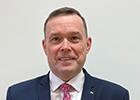 Madis Timpson
Комиссия по правовым вопросам внесла предложение включить законопроект в повестку дня пленарного заседания 24 сентября 2025 года (7 — за, 2 — против).
Madis Timpson
Юридическая комиссия предложила завершить второе чтение законопроекта (7 голосов «за», 2 — «против»).
Второе чтение законопроекта об изменении Закона о ценных бумагах и, как следствие, изменении других законов (регулирование деривативов и репо-операций) (633 СЕ)
19:46 | 6 Выступлениеes | Резюме | 4 РешениеsРезюме
Пунктом повестки дня стало второе чтение законопроекта 633, инициированного Правительством Республики, о внесении изменений в Закон о рынке ценных бумаг и, как следствие, в другие законы (регулирование деривативных сделок и сделок репо). Член финансовой комиссии Айвар Сыэрд представил доклад ведущей комиссии, дав обзор обсуждений, состоявшихся на трех заседаниях (9, 15 и 22 сентября). Основная суть законопроекта заключалась в приведении регулирования деривативных сделок и сделок репо в соответствие с международными стандартами. В ходе обсуждений также возник сопутствующий вопрос, касающийся оценки недвижимости, выступающей в качестве залога по договорам потребительского кредита, в частности, внедрения статистических моделей при оценке жилой недвижимости. В связи с этим Союз эстонских фирм недвижимости выразил обеспокоенность по поводу угрозы интересам потребителей. Финансовая комиссия представила в общей сложности девять поправок к законопроекту, которые носили в основном технический характер и уточняли компетенцию Финансовой инспекции, ответственность за нарушение требований к выпуску «зеленых» облигаций, а также регулирование взаимозачетов. Все девять поправок были полностью учтены. Ведущая комиссия внесла консенсусное предложение завершить второе чтение и провести окончательное голосование 15 октября. Пленум завершил второе чтение законопроекта.
решений 4
Aivar Sõerd
Финансовая комиссия внесла консенсусное предложение о завершении второго чтения законопроекта 633.
Aivar Sõerd
Финансовая комиссия внесла консенсусное предложение о проведении окончательного голосования по законопроекту 15 октября.
Резюме
Рийгикогу обсудил в первом чтении проект постановления Рийгикогу № 703, представленный Правительством Республики, который касался продления срока использования Сил обороны в военной операции Европейского союза EUNAVFOR Med/Irini. Министр обороны Ханно Певкур представил законопроект, дав во вступительном слове обзор общего сокращения участия Эстонии в международных военных операциях в следующем году, с акцентом на повышение внутреннего уровня Сил обороны и подготовку инструкторов. Операция в Ираке завершена, и вклад в нее больше не вносится. Что касается операции EUNAVFOR Med/Irini, министр предложил увеличить вклад с одного штабного офицера до двух, при этом общая численность мандата составит до шести военнослужащих. Цель операции — обеспечить свободу судоходства и реализовать оружейное эмбарго ООН в отношении Ливии.
Алар Ланеман, выступая от имени Комиссии по государственной обороне, подтвердил поддержку комиссии данному законопроекту, подчеркнув важность операции для реализации оружейного эмбарго ООН, предотвращения незаконного экспорта нефти и пресечения торговли людьми. Комиссия обсудила законопроект на своем заседании 15 сентября и единогласно решила предложить Рийгикогу завершить первое чтение. Обсуждения не открывались, и первое чтение законопроекта было завершено.
решений 2
По предложению ведущего комитета (Комитета по государственной обороне) было принято решение завершить первое чтение законопроекта № 703.
Крайний срок подачи поправок был установлен на 8 октября, 17:15.
Резюме
В рамках данного пункта повестки дня состоялось первое чтение проекта постановления Рийгикогу № 704, представленного Правительством Республики, о «Продлении срока использования Сил обороны при выполнении Эстонским государством международных обязательств в международной военной операции Европейского союза EUNAVFOR Aspides». Докладчик, министр обороны Ханно Певкур, пояснил, что операция была начата в связи с атаками хуситов, которые начались в октябре 2023 года в регионе Красного моря, с целью обеспечения свободы судоходства. Министр подтвердил, что ситуация в регионе улучшилась. Эстония планирует внести вклад в операцию в 2026 году в составе до трех военнослужащих Сил обороны, при этом первоначальный вклад составит один военнослужащий под командованием Италии.
Председатель Комиссии по государственной обороне Калев Стойческу представил подробный обзор обсуждений, проведенных ведущей комиссией, и предыстории операции. Он уточнил, что Совет ЕС сформировал операцию EUNAVFOR Aspides 8 февраля 2024 года для обеспечения морской безопасности. Район проведения операции охватывает Красное и Аравийское моря, а также ряд заливов и проливов. Характер операции является строго оборонительным, с акцентом на защиту и сопровождение судов. Комиссия консенсусом приняла решение предложить Рийгикогу завершить первое чтение законопроекта и установить крайний срок для внесения поправок — 8 октября 2024 года.
решений 2
Первое чтение законопроекта № 704 было завершено.
Крайний срок подачи поправок был установлен на 8 октября 2024 года, 17:15.
Первое чтение проекта решения Рийгикогу "Использование Вооруженных Сил при исполнении Эстонской Республикой ее международных обязательств в рамках операции, проводимой странами-членами Североатлантического договора, Европейского союза или Организации Объединенных Наций, в рамках первого внесения вклада в такую международную военную операцию" (705 OE).
20:12 | 22 Выступлениеes | Резюме | 2 РешениеsРезюме
Пункт повестки дня касался первого чтения проекта постановления Рийгикогу № 705, который затрагивает использование Сил обороны в международных военных операциях при первом участии в них. Министр обороны Ханно Певкур пояснил, что цель законопроекта — предоставить правительству гибкий мандат для отправки при необходимости до 100 военнослужащих Сил обороны на новые, непредвиденные операции, проводимые под руководством НАТО, ЕС или ООН. Певкур подчеркнул, что мандат необходим для быстрого реагирования, и привел примеры прошлых неотложных потребностей (например, EUNAVFOR Med/Irini, Мозамбик, операции в Красном море). Заместитель председателя Комиссии по государственной обороне Лео Куннас поддержал законопроект, отметив, что существующая практика себя оправдала, и что, несмотря на наличие мандата, вклад Эстонии в операции в следующем году планируется исторически небольшим. Варро Вооглайд (фракция EKRE) выступил с резким возражением, заявив, что законопроект противоречит статье 128 (1) Конституции, поскольку парламент делегирует свое право принятия решений правительству, по сути, предоставляя «бланковый мандат» на миссии, детали которых (включая потенциальное участие в Украине) неизвестны. Он подчеркнул, что Закон о внутреннем распорядке и порядке работы Рийгикогу позволяет созывать заседания даже в срочных случаях. Владимир Архипов (Центристская партия) подчеркнул важность гибкости и укрепления союзнических отношений. После обсуждений было принято решение завершить первое чтение.
решений 2
По предложению Комитета по государственной обороне было принято решение завершить первое чтение законопроекта № 705.
Срок подачи поправок был установлен на 8 октября, 17:15.
Резюме
Рийгикогу обсуждал представленный Правительством Республики проект постановления Рийгикогу № 706, который касался продления срока использования Сил обороны Эстонии для выполнения международных обязательств Эстонского государства в рамках Миссии Европейского союза по военной помощи в Мозамбике (EUTM Mozambique). Докладчиком выступил министр обороны Ханно Певкур.
Министр Певкур пояснил, что миссия была начата в июле 2021 года, и, хотя ситуация с безопасностью улучшилась, 11 стран-участниц видят необходимость в продолжении миссии. Эстония внесет вклад в миссию в виде одного офицера, а расходы на операцию составляют приблизительно 40 000 евро. Член Комиссии по государственной обороне Энн Ээсмаа представил обзор работы комиссии, подчеркнув, что это единственная миссия Эстонии на Африканском континенте, и вклад вносится в знак солидарности с другими государствами-членами ЕС. Проект постановления подтверждает готовность продолжать участие до 2026 года с привлечением до трех военнослужащих, хотя фактически речь идет об отправке одного юрисконсульта, чья задача — консультировать командующего миссией и обучать местные вооруженные силы вопросам прав человека. Комиссия по государственной обороне единогласно поддержала проект постановления.
решений 2
Первое чтение законопроекта № 706 завершено.
Крайний срок для подачи поправок был установлен на 8 октября текущего года в 17:15.
Резюме
Пункт повестки дня касался первого чтения проекта постановления Рийгикогу № 707, представленного Правительством Республики, который затрагивает использование Сил обороны при выполнении Эстонским государством международных обязательств в составе Объединенных экспедиционных сил Соединенного Королевства (JEF). Докладчик, министр обороны Ханно Певкур, пояснил, что JEF — это инициированная Соединенным Королевством коалиция по доброй воле, в которую входят десять членов, и ее внимание сосредоточено на безопасности региона Балтийского моря, Крайнем Севере и Атлантическом океане. Министр подчеркнул способность JEF к быстрому реагированию, приведя в пример активизацию действий после повреждения подводного кабеля Estlink 2. Проект постановления предлагает предоставить мандат на использование до 24 военнослужащих в подразделении готовности JEF, хотя прямая необходимость в этом на следующий год не предвидится. Член Комиссии по государственной обороне Кристо Энн Вага представил резюме ведущей комиссии, подтвердив, что сотрудничество в рамках JEF стратегически важно для Эстонии, поскольку Соединенное Королевство является ключевым партнером по безопасности. Проект постановления подтверждает готовность Эстонии внести свой вклад в обеспечение готовности JEF, как и в текущем году, предоставив до 24 военнослужащих Сил обороны в 2026 году. Ведущая комиссия предложила завершить первое чтение и установила крайний срок для внесения поправок.
решений 2
Первое чтение законопроекта № 707 завершено.
Крайний срок подачи поправок был установлен на 8 октября 2024 года, 17:15.
Резюме
Пунктом повестки дня стало первое чтение проекта постановления Рийгикогу 708, представленного Правительством Республики, которое касалось продления срока использования Сил обороны для выполнения международных обязательств Эстонского государства в рамках миссии НАТО в Ираке (NMI). Докладчик, министр обороны Ханно Певкур, пояснил, что миссия была запущена в 2018 году, и хотя Эстония вышла из Эрбиля, планируется продолжить участие в миссии, базирующейся в Багдаде, с одним штабным офицером. Министр подчеркнул важность присутствия союзников и подтвердил, что центральное правительство Ирака желает продолжения деятельности союзников. Обсуждение в ведущей комиссии, Комиссии по государственной обороне, подытожил Пеэтер Тали. Он отметил, что проект постановления обсуждался на нескольких заседаниях с участием как министра обороны, так и представителей Сил обороны (полковник Эрки Соо и полковник Прийт Пикнер). Комиссия пришла к выводу, что на все вопросы были даны ответы, и внесла консенсусное предложение завершить первое чтение проекта. Прения открыты не были, и Рийгикогу принял решение согласиться с предложением ведущей комиссии, завершив первое чтение проекта постановления.
решений 2
Первое чтение законопроекта № 708 было завершено.
Срок подачи поправок был установлен на 8 октября, 17:15.
Резюме
Рийгикогу обсудил в первом чтении представленный Правительством Республики проект решения Рийгикогу № 709 «Об использовании Сил обороны для выполнения международных обязательств Эстонского государства в составе Сил реагирования Организации Североатлантического договора». Министр обороны Ханно Певкур пояснил, что Эстония вносит вклад в Силы реагирования НАТО (NRF) военно-морским подразделением, общим числом до 76 военнослужащих Сил обороны. Речь идет о подразделении высокой готовности, которое готово к операциям в различных точках мира. Министр отметил, что бюджетный объем этого обязательства составляет 1,2 миллиона евро, что является самым большим среди всех миссий, поскольку предполагает выход в море.
Калев Стойческу, председатель ведущей комиссии – Комиссии по государственной обороне, представил обзор обсуждений комиссии, которые состоялись 15 и 22 сентября. Он подчеркнул, что участие в силах быстрого реагирования (ARF, то есть Объединенные силы реагирования, и SNF, то есть Постоянные военно-морские силы) важно для быстрого запуска операций НАТО по коллективной самообороне и напрямую связано с безопасностью Эстонии. Согласно законопроекту, в 2026 году Эстония внесет вклад в ARF и SNF командой минного тральщика и штабным офицером (всего до 76 военнослужащих Сил обороны). Решение об использовании ARF принимается Североатлантическим советом единогласно, что означает, что требуется и согласие Эстонии. Комиссия по государственной обороне внесла консенсусное предложение завершить первое чтение законопроекта.
решений 2
Первое чтение законопроекта 709 было завершено.
Крайний срок подачи поправок был установлен на 17:15 8 октября текущего года.
Резюме
Рийгикогу обсудил в качестве 12-го пункта повестки дня первое чтение проекта постановления Рийгикогу № 710, представленного Правительством Республики, «Продление срока использования Сил обороны при выполнении Эстонским государством международных обязательств в миротворческой операции ООН в Ливане». Докладчик, министр обороны Ханно Певкур, пояснил, что операция в Ливане (ВСООНЛ) является масштабной, но вклад Эстонии скромен — в настоящее время там, в городе Накура, служит один штабной офицер. Проект постановления запрашивает мандат на использование до трех действующих военнослужащих, хотя увеличение состава не предусматривается. Ежегодные расходы на миссию составляют менее 60 000 евро.
Член Комиссии по государственной обороне Меэлис Кийли представил обзор заседаний комиссии, на которых обсуждались проект постановления и ситуация с безопасностью. Он подчеркнул, что ВСООНЛ — это классическая миротворческая операция ООН, созданная в 1978 году, в которой участвуют более 10 300 миротворцев из 47 стран. Кийли подтвердил, что Комиссия по государственной обороне консенсусом приняла решение предложить Рийгикогу завершить первое чтение проекта постановления. Обсуждения не открывались, и Рийгикогу согласился с предложением ведущего комитета.
решений 2
Первое чтение законопроекта № 710 завершено.
Крайний срок подачи поправок был установлен на 8 октября, 17:15.
Резюме
Рийгикогу (Парламент Эстонии) обсудил представленный Правительством Республики проект постановления Рийгикогу № 711, касающийся продления срока участия Сил обороны в миротворческой операции ООН UNTSO, проводимой на территории Ливана, Израиля, Египта, Иордании и Сирии. Министр обороны Ханно Певкур подчеркнул, что это старейшая миротворческая операция ООН, в которой участвует более 30 стран. Согласно проекту постановления, мандат будет продлен до конца 2026 года, а верхний предел численности эстонского контингента будет увеличен до шести военнослужащих (ранее до трех). Причиной увеличения является возможность возглавить Каирский региональный офис, в связи с чем было предложено направить в миссию двух офицеров вместо одного. Расходы на операцию в случае двух военнослужащих составят примерно 120 000 евро.
Кристо Энн Вага подвел итоги обсуждения от имени ведущей комиссии — Комиссии по государственной обороне. Он подтвердил, что комиссия детально рассмотрела проект на заседаниях 15 и 22 сентября, получив информацию как от министра обороны, так и от представителей Генерального штаба Сил обороны и Командования поддержки. Комиссия единогласно решила предложить Рийгикогу завершить первое чтение проекта. Эстонские военнослужащие участвуют в миссии UNTSO в качестве военных наблюдателей и штабных офицеров с 1997 года. После завершения обсуждений было принято решение завершить первое чтение.
решений 2
Первое чтение проекта постановления Рийгикогу № 711 завершено.
Крайним сроком подачи поправок было назначено 8 октября 2024 года, 17:15.
Проект закона о внесении изменений в закон о транспортном страховании (649 СЕ) – первое чтение.
20:58 | 20 Выступлениеes | Резюме | 1 РешениеРезюме
Рийгикогу приступил к первому чтению законопроекта 649 о внесении изменений в Закон о дорожном страховании, инициированного фракцией «Исамаа». Целью законопроекта было снижение бюрократии путем отмены обязательства отдельно страховать прицепы с полной массой свыше 750 кг. Докладчик Андрес Метсоя («Исамаа») пояснил, что прицеп не передвигается самостоятельно, и его страхование должно автоматически покрываться страховкой буксирующего моторного транспортного средства, приведя в пример практику Королевства Норвегия. Это позволило бы избежать применения обязательного страхования к прицепам, которые используются редко. Метсоя подчеркнул, что это вопрос удобства для пользователей и упрощения системы.
Докладчик Комиссии по экономическим вопросам Марио Кадастик представил позицию комиссии, которая критически отнеслась к законопроекту. Министерство финансов и Фонд дорожного страхования выступили против законопроекта, ссылаясь на директивы Европейского союза, требующие страхования всех зарегистрированных транспортных средств. Также были указаны международные риски, в частности, на примере Германии, где ущерб распределяется между страховками прицепа и тягача. Комиссия предложила отклонить законопроект (7 — за, 3 — против). В ходе голосования отклонение законопроекта поддержали 44 члена Рийгикогу, в результате чего законопроект был снят с рассмотрения.
решений 1
Предложение ведущей комиссии об отклонении законопроекта 649 в первом чтении было принято. За проголосовали 44 члена Рийгикогу, против — 6. Законопроект выбыл из дальнейшего рассмотрения.
Выступление министра регионального развития и сельского хозяйства за 2025 год о реализации долгосрочной стратегии развития страны "Эстония 2035"
21:17 | 118 Выступлениеes | Резюме | 1 РешениеРезюме
Министр регионального развития и сельского хозяйства Хендрик Йоханнес Террас представил Рийгикогу доклад за 2025 год о реализации долгосрочной стратегии развития страны "Эстония 2035", уделяя особое внимание жизнеспособному региональному развитию и надежной продовольственной безопасности. Министр подчеркнул, что Эстония сталкивается с геополитической нестабильностью, изменением климата и замедлением экономического роста, что требует проведения продуманных и зачастую болезненных структурных реформ. Он отметил демографический переломный момент, когда 60% населения концентрируется в Харьюском и Тартуском уездах, создавая "золотой круг" и опустошая периферию. Чтобы изменить эту тенденцию, цель правительства состоит в том, чтобы направить не менее 40% субсидий на предпринимательство за пределы крупных городов и увеличить финансовую автономию местных самоуправлений. В качестве важной реформы была представлена реформа "умной и доступной мобильности", которая должна обеспечить гибкий общественный транспорт (единая билетная система, тактовые графики, транспорт по требованию). Что касается сельского хозяйства, министр подчеркнул необходимость повышения добавленной стоимости и снижения опасной зависимости от импортируемых производственных ресурсов (удобрений, кормов). Целью был установлен 80-процентный уровень самообеспеченности по основным продовольственным группам, что рассматривается как часть всеобъемлющей государственной обороны. Отдельно был рассмотрен кризис африканской чумы свиней (АЧС), который в августе 2025 года поразил крупнейшие свиноводческие комплексы Эстонии, что привело к ограничениям и сокращениям, затронувшим более 50 000 свиней. Министр объявил о подготовке к созданию государственной гарантийной схемы для сельскохозяйственного сектора с целью снижения рыночных рисков, от которых частное страхование не защищает, а также о необходимости долгосрочного плана контроля популяции диких кабанов. В ходе дебатов оппозиция раскритиковала медлительность правительства в разрешении кризиса АЧС и негативное влияние повышения налогов на сельские районы.
решений 1
Решения не были приняты
Заседание: 6
Отредактировано: Нет
ИИ резюме: 7/7 (100.0%)
Пункты повестки:
Резюме
Член Рийгикогу Хелир-Валдор Сеэдер направил премьер-министру Кристену Михалу запрос относительно выбора Эстонии в связи с амбициозными климатическими целями Европейского союза. Сеэдер резко раскритиковал решение правительства безоговорочно поддержать цель по сокращению выбросов углерода на 90%, установленную к 2040 году, заявив, что это нереалистично и наносит ущерб конкурентоспособности экономики Эстонии, особенно ввиду отсутствия каких-либо всесторонних экономических и социально-экономических анализов воздействия. Сеэдер назвал этот выбор «глупым и вредным». Он также упрекнул премьер-министра в молчании Эстонии по важным вопросам, таким как отсрочка ETS2 (Системы торговли выбросами 2) и отсутствие поддержки предложений соседних стран (Латвии, Польши) относительно учета военных расходов.
Премьер-министр Михал ответил, что позиция Эстонии основывалась на мандате Комиссии по делам Европейского союза (ELAK), и поддержка была условной. Он подчеркнул, что будущее и конкурентоспособность экономики заключаются в новых технологиях, бережливой и устойчивой деятельности. Михал скорректировал утверждения Сеэдера, отметив, что Эстония была в числе первых стран, поддержавших отсрочку или отмену ETS2. В дополнительном вопросе Март Хельме (EKRE) поднял тему предупреждения Дональда Трампа о том, что климатическая политика приведет к коллапсу европейской экономики. Премьер-министр отверг это утверждение, сославшись на позитивный прогноз Банка Эстонии, который видит Эстонию в 2026–2027 годах как одну из самых быстрорастущих экономик в регионе. Михал подчеркнул шаги правительства (отмена повышения налогов, сокращения расходов, сильная обороноспособность), которые обеспечивают экономический рост и уверенность людей.
решений 1
Решения не были приняты
Резюме
На инфочасе Рийгикогу обсуждались ответы премьер-министра Кристена Михала по теме государственных финансов, в центре внимания которых были дефицит бюджета, рост госдолга и справедливость налоговой политики. Член Рийгикогу Мартин Хельме (EKRE) обвинил правительство в рекордном росте государственного долга и нарушении обещания двигаться к сбалансированному бюджету, назвав действия правительства в отношении государственных финансов "пьяным матросом в борделе". Хельме заявил, что экономический спад вызван энергетической политикой правительства и повышением налогов. Премьер-министр Михал защищал фискальную политику правительства, подчеркивая, что бюджет был сделан более экономным (ссылаясь на структурный профицит в промежуточные годы) и что правительство согласовало сокращения на общую сумму 1,4 миллиарда евро. Михал также отметил отмену прогрессивного подоходного налога с 2026 года, что оставит в распоряжении экономики и населения 780 миллионов евро в виде налоговых льгот, по сути, предоставив работнику со средней зарплатой 13-ю зарплату. Варро Вооглайд (EKRE) продолжил критику по поводу нарушения обещания двигаться к сбалансированности госбюджета и увеличения процентных расходов.
Лаури Ляэнеметс (SDE) сосредоточился на социальной справедливости налоговой политики, обвинив премьер-министра во лжи перед парламентом относительно влияния налогового горба. Ляэнеметс заявил, что изменения правительства направляют 114 миллионов евро на поддержку 10% самых богатых людей, в то время как лица с более низкими доходами получают минимальное облегчение. Михал отверг обвинение во лжи, объяснив, что на прошлой неделе обсуждалось только влияние налогового горба, и защитил отмену прогрессивного подоходного налога как меру поддержки среднего класса. Хелир-Вальдор Сеэдер (Isamaa), помимо финансовых вопросов, поднял также тему ETS2 и спросил о финансовом беспорядке в правительстве, ссылаясь на неясность в министерствах относительно использования средств. Михал подтвердил, что позиция Эстонии по ETS2 — это отсрочка и отмена, и защитил действия министерств, отметив, что инвестиции перенаправляются (например, на дороги).
решений 1
Решений не принималось
Резюме
Четвертый вопрос, заданный сегодня в Рийгикогу, был адресован министру экономики и промышленности Эркки Келдо и касался влияния налогов на экономику Эстонии. Вопрос был задан членом Рийгикогу Владимиром Архиповым, который выразил обеспокоенность текущим состоянием эстонской экономики, указав на замедление роста, углубление бюджетного дефицита, рост цен и масштабные сокращения. Архипов хотел узнать, как правительство оценивает влияние налогов на конкурентоспособность Эстонии и привлечение инвестиций в условиях растущей неопределенности.
Министр Келдо ответил, подчеркнув гордость за налоговую систему Эстонии, которая 11 лет подряд признается самой конкурентоспособной среди стран ОЭСР. Он пояснил, что краеугольным камнем системы является отсутствие подоходного налога на реинвестированную прибыль. Келдо отметил запланированное правительством снижение налогов, назвав налоговую реформу следующего года исторической: необлагаемый минимум в размере 700 евро и отмена запланированного повышения ставки подоходного налога на 2 процентных пункта оставят в распоряжении граждан почти 800 миллионов евро. Также будет отменено повышение налогов для юридических лиц. Министр сослался на позитивные инвестиции (например, открытие/расширение трех новых заводов на прошлой неделе) и прогнозируемый Банком Эстонии рост экономики на 3%, подчеркнув важность стабильности и предсказуемости для предпринимателей.
В дополнительном вопросе Рейли Ранд (Социал-демократы) раскритиковала "слепой оптимизм" правительства и политику государственных финансов, которая значительно увеличивает долговую нагрузку и нарушает принцип отказа от заимствований для покрытия текущих расходов. Ранд спросила, как это повлияет на кредитный рейтинг Эстонии и стоимость займов. Келдо выступил в защиту заимствований, объяснив, что дефицит (4,5%) напрямую связан с инвестициями в государственную оборону (5% ВВП), что является широко распространенной тенденцией в Европе. Он подтвердил, что государственная оборона является приоритетом, а снижение налогов улучшит потребительское доверие граждан и повысит конкурентоспособность экономики в долгосрочной перспективе.
решений 1
Решений не принималось
Резюме
На инфочасе Рийгикогу премьер-министру Кристену Михалу было задано два вопроса о текущей ситуации в стране. Первый вопрос поступил от Урмаса Рейнсалу (партия Isamaa), который резко раскритиковал Стратегию государственного бюджета (СГБ) правительства, назвав ее безответственной и наполненной непокрытыми цифрами. Рейнсалу потребовал разъяснений относительно адресной помощи в размере 100 миллионов евро, запланированной на 2028–2029 годы, переноса расходов на оборону (несколько сотен миллионов евро) на 2026 и 2027 годы, а также пересмотра инвестиций, намеченных на 2029 год. Кроме того, он спросил, почему в СГБ запланировано 330 миллионов евро на покрытие ETS2 (дополнительный налог на моторное топливо), хотя премьер-министр выступает против него. Премьер-министр Михал защитил бюджетную стратегию, объяснив, что адресное назначение пособий требует ИТ-разработок SKAIS, и хотя цель в 5% расходов на оборону сохраняется, Министерство обороны распределяет закупки по годам. Он подчеркнул, что пересмотр инвестиций необходим для сокращения расходов и предотвращения повышения налогов. Михал подтвердил, что официальная позиция правительства — отсрочка и отмена ETS2. В дополнительных вопросах также обсуждался рост административных расходов и низкие зарплаты работников по особому уходу.
Второй вопрос задала Хелле-Мооника Хельме (EKRE), которая обвинила премьер-министра в приукрашивании ситуации и сравнила его выступление с новостной программой Северной Кореи. Хельме раскритиковала большой дефицит бюджета правительства и финансирование отмены «налогового горба» за счет заемных средств, утверждая, что это регрессивно и наносит ущерб низкооплачиваемым работникам. Михал защитил отмену «налогового горба», назвав это крупнейшим снижением налогов в истории Эстонии (780 миллионов евро) и необходимым шагом, поскольку прогрессивный подоходный налог несправедливо обременял работников со средней зарплатой. В дополнительном вопросе Хельме также резко раскритиковала одобренный правительством закон о согласии (так называемая «модель да»), назвав его «абсурдной идеологической чушью». Михал выразил недоумение по поводу противодействия EKRE «модели да», подчеркнув, что закон предназначен для защиты жертв и поддержки более слабой стороны.
решений 1
Решения не были приняты
Резюме
Представленная повестка дня посвящена состоянию страны и, вытекающие из этого, экономическим и бюджетным мерам. В ходе обсуждений между выступающими развернулась преимущественно критическая дискуссия вокруг экономической политики правительства: обсуждалась необходимость сокращения дефицита бюджета, реформирования налоговой системы и привлечения займов, а также были одобрены некоторые планируемые шаги, такие как SKAIS2 и ревизия инвестиций. Параллельно затронуты вопросы оборонных расходов и влияние европейских правил на бюджетный баланс. В контексте обороноспособности и финансирования секторов подчеркивалась важность Украины и внешней политики, а также критиковались некоторые решения и манера изложения, касающиеся воспринимаемого контроля расходов и налоговых льгот.
Второй значительной темой стал закон о согласии и связанные с ним дебаты и его влияние на защиту жертв. Представители EKRE выразили критику, выявили потенциальные опасности и рекомендовали скрывать некоторые аспекты реализации. Также рассматривалось увеличение бюджета Министерства иностранных дел вместе с перераспределением других расходов и сравнивались различные данные и достоверность источников. В целом, повестка дня была тесно связана с обсуждением экономики страны и общественных законов – целью было выяснить, как обеспечить сбалансированный бюджет и более справедливую налоговую систему, одновременно снижая негативное воздействие на людей с низким и средним уровнем дохода.
решений 1
Решений не было принято.
Рийгикантцелей заключила договор с адвокатским бюро Sorainen OÜ "Дерегулирование и природоохранные ограничения в управлении лесами – международное сравнение и предложения для Эстонии"
16:27 | 21 Выступлениеes | Резюме | 1 РешениеРезюме
На заседании Рийгикогу обсуждался ответ премьер-министра Кристен Михал на запрос депутата Рийгикогу Тийта Марана по поводу договора, заключенного между Государственной канцелярией (Riigikantselei) и Адвокатским бюро Sorainen OÜ, касающегося дерегулирования лесного хозяйства и природоохранных ограничений. Задавший вопрос, Тийт Маран (pYyodysuidU), выразил глубокую обеспокоенность тем, почему такой договор, сфокусированный на «снижении бюрократии» в лесном хозяйстве, был заключен именно Госканцелярией, а не через Министерство климата. Маран заподозрил, что анализ, целью которого является предоставление данных Совету по эффективности и экономическому росту, рассматривает охрану природы как бюрократию и на самом деле служит коммерческим интересам сырьевой промышленности. Он также обратил внимание на странный факт, что к договору был приложен предварительный анализ, составленный ChatGPT и «кем-то еще».
Премьер-министр Михал пояснила, что анализ был заказан для поддержки работы Совета предпринимателей, который обслуживает Госканцелярия. Она подчеркнула, что это один из трех заказанных анализов, цель которых — найти максимально простое регулирование, которое одновременно защищало бы окружающую среду. Михал подтвердила, что договор был заключен в сотрудничестве с Министерством климата, его стоимость составила менее 30 000 евро, а результаты будут обнародованы. Она отвергла утверждения Марана о превышении полномочий, пояснив, что анализ сосредоточен на сравнении эстонских норм с минимальными обязательствами ЕС и практикой соседних стран, чтобы двигаться в направлении менее бюрократической лесной политики, сохраняя при этом природные ценности. В дополнительном вопросе Зюлейха Измайлова (OiizOPZyy6I) спросила, почему анализ был заказан у частной компании, на что Михал ответила, что заказ юридических и сложных анализов за пределами министерств является обычной и логичной практикой.
решений 1
Решения не были приняты
Резюме
Восьмой вопрос сегодняшнего заседания был посвящен катастрофической демографической ситуации в Эстонии. Депутат Рийгикогу Вадим Белобровцев привел тревожную статистику: в 2024 году рождаемость в Эстонии впервые в истории опустилась ниже отметки в 10 000 детей (9646 детей), при этом число смертей составило 15 756. Белобровцев раскритиковал бездействие правительства и отсутствие уверенности среди семей, что, по его оценке, вызвано нестабильной семейной политикой. В качестве примера он привел первоначальное повышение, а затем сокращение пособий для многодетных семей. Он потребовал от правительства реальных шагов для повышения этой уверенности. Премьер-министр Кристен Михал признал проблему низкой рождаемости, но подчеркнул, что это общеевропейская тенденция. Он сослался на комплексный анализ родительских пособий и семейных выплат, подготовленный Министерством социальных дел, предложения которого находятся в работе. Михал подчеркнул, что Эстония находится в числе европейских лидеров по семейным пособиям, тратя на эту сферу около 2,2% ВВП (примерно 1 миллиард евро), и привел примеры других стран (Польши, Германии), чтобы проиллюстрировать, что одних лишь финансовых субсидий недостаточно для обеспечения рождаемости. Он перечислил меры, поддерживающие рождаемость, включая более гибкие условия труда, систему ухода за детьми и улучшение доступности лечения бесплодия. Для создания уверенности премьер-министр счел важными инвестиции в государственную оборону и экономический рост. В дополнительном вопросе Лаури Лаатс усомнился в эффективности существующих мер и потребовал конкретных решений, особенно в отношении удешевления жилья для молодых семей. Премьер-министр подтвердил, что правительство работает над снижением бюрократии для уменьшения стоимости жилья и рассматривает возможность использования пенсионного столба в качестве залога при покупке квартиры.
решений 1
Решения не были приняты
Заседание: 6
Отредактировано: Нет
ИИ резюме: 2/2 (100.0%)
Пункты повестки:
Проект закона об изменении закона о семейном положении, закона о регистрации населения и закона о государственных пошлин (687 СЭ) – первое чтение.
13:08 | 50 Выступлениеes | Резюме | 2 РешениеsРезюме
Рийгикогу обсудил первое чтение законопроекта 687, инициированного Правительством Республики, о внесении изменений в Закон об актах гражданского состояния, Закон о регистре народонаселения и Закон о государственной пошлине. Министр внутренних дел Игорь Таро представил законопроект, подчеркнув его три основные цели: снижение административной и государственной рабочей нагрузки, а также упрощение делопроизводства для граждан. В качестве важных изменений министр выделил возможность регистрации рождения ребенка в регистре народонаселения на основании дополнительных доказательств (например, карта беременности, карта скорой помощи, тест ДНК), если поставщик медицинских услуг не присутствовал при родах, что позволит избежать ненужных судебных разбирательств. Также упрощается присвоение личного кода гражданам ЕС в рамках процедуры регистрации места жительства, и им разрешается подавать уведомления об отъезде из Эстонии из-за границы без цифровой подписи. Законопроект расширяет административную дееспособность лиц в возрасте 15–17 лет при управлении своими данными в регистре народонаселения. В ходе обсуждения наибольшее количество вопросов вызвало сокращение мест регистрации рождения с 79 до 16 (уездные центры плюс Нарва), что министр объяснил широким использованием электронных услуг и недостатком практики у чиновников. Депутаты также выразили обеспокоенность по поводу безопасности упрощенной подачи уведомлений о месте жительства гражданами Европейского Союза, а также слишком широких дискреционных полномочий чиновников в отношении новых доказательств регистрации рождения. Представитель Конституционной комиссии Пипи-Лийс Зиеманн подтвердила, что комиссия обсудила аналогичные вопросы дискреционных полномочий и внесла консенсусное предложение завершить первое чтение законопроекта.
решений 2
Первое чтение законопроекта № 687 завершено.
Крайний срок подачи поправок был установлен на 7 октября, 17:15.
Проект закона об изменении закона о отходах (676 СЕ) – первое чтение
13:45 | 64 Выступлениеes | Резюме | 2 РешениеsРезюме
Рийгикогу обсудил в первом чтении законопроект № 676 об изменении Закона об отходах, инициированный Правительством Республики. Министр инфраструктуры Кулдар Лейс представил законопроект, основная цель которого — перенести требования Регламента Европейского союза об аккумуляторах в правовую систему Эстонии. Регламент охватывает все батареи и аккумуляторы, начиная от небольших и заканчивая используемыми в электромобилях и крупных накопителях энергии, ставя целью более экологичное производство, долговечность и вторичную переработку материалов. В качестве важных изменений были отмечены требование о наличии цифрового паспорта продукта для аккумуляторов (данные о происхождении и обращении) и обязанность обеспечить возможность замены аккумуляторов в устройствах начиная с 2027 года. Законопроект в значительной степени технический, устраняющий дублирующие положения, однако содержательное изменение касается ответственности производителя: в дальнейшем все импортеры аккумуляторов для электромобилей, легких транспортных средств и промышленных аккумуляторов также должны будут присоединиться к объединению производителей, чтобы избежать возложения расходов по обращению с отходами на государство.
В ходе обсуждения возникла оживленная дискуссия о расходах и правах потребителей. Калле Грюнтал выразил обеспокоенность тем, что новый регламент может ограничить право потребителя самостоятельно извлекать и ремонтировать аккумуляторы, тем самым служа интересам крупных производителей. Министр Лейс пояснил, что сам регламент ремонт не запрещает, а сложность извлечения аккумуляторов является скорее техническим вопросом. Март Маастик и Хенн Пыллуаас усомнились в утверждении министра о том, что новые обязательства (например, аккумуляторный паспорт) не повлекут за собой увеличения бюрократии или расходов для потребителя. Министр подтвердил, что обязанность по оформлению аккумуляторного паспорта лежит на производителе, и, согласно оценке воздействия Европейского союза, цена на небольшие аккумуляторы вырастет на 0,5–2 евро, что будет учтено в цене продукта. Председатель Комиссии по окружающей среде Йоко Алендер подтвердила, что система гарантирует потребителю бесплатную утилизацию всех аккумуляторов, а сеть сбора уже в значительной степени создана.
решений 2
Первое чтение законопроекта № 676 завершено.
Крайний срок подачи поправок был установлен на 7 октября в 17:15.
Заседание: 6
Отредактировано: Нет
ИИ резюме: 11/11 (100.0%)
Пункты повестки:
Запрос информации о проблемах при выплате пенсий (№ 769)
18:26 | 32 Выступлениеes | Резюме | 1 РешениеРезюме
На сегодняшнем заседании Рийгикогу обсуждался запрос, представленный членами Рийгикогу Лаури Лаатсом, Андреем Коробейником, Владимиром Архиповым, Вадимом Белобровцевым, Александром Чаплыгиным и Алексеем Евграфовым, относительно проблем с выплатой пенсий. Запрос был представлен Лаури Лаатсом, который указал на то, что в инфосистеме Департамента социального страхования (SKA), известной как SKAIS, неоднократно возникали сбои, препятствующие своевременному поступлению пенсий (которое, как правило, происходит 5-го числа месяца). Лаатс упомянул, что, по словам руководителя SKA, в 2024 году сбои случались целых 11 месяцев, и спросил главу правительства, приведена ли система в порядок и будут ли пенсионеры защищены в будущем.
Премьер-министр Кристен Михал ответил, что утверждение о том, что SKAIS находится «на грани коллапса», является преувеличением, но признал, что SKAIS2 — не лучшая инфосистема, и о ее недостатках известно уже около десяти лет. Михал сообщил, что в рамках обсуждения Стратегии государственного бюджета (RES) на 2026–2029 годы правительство выделило 17,4 миллиона евро на приведение SKAIS в порядок, а также 2,16 миллиона евро весной-летом на базовое развитие. Премьер-министр подтвердил, что у SKA есть кризисный план для обеспечения надежности инфосистемы. В последующих вопросах обсуждалась необходимость резервных систем (Владимир Архипов), растущие расходы на инфосистемы и нагрузка на э-государство (Анастасия Коваленко-Кылварт), а также перенос выплаты пенсий с выходных дней на рабочие (Вадим Белобровцев), что последний назвал издевательством над пенсионерами. Михал неоднократно подчеркивал выделенную сумму как решение для долгосрочного упорядочения системы.
решений 1
Решения не были приняты
Доклад о неудачной попытке сближения и закончившейся риском военного столкновения военно-морской операции (№ 784)
18:39 | 88 Выступлениеes | Резюме | 1 РешениеРезюме
Рийгикогу обсудил запрос № 784, представленный членами Рийгикогу Мартином Хельме, Райном Эплером, Варро Вооглайдом, Арво Аллером, Хелле-Мооникой Хельме и Рене Кокком, который касался неудачной военно-морской операции по остановке танкера (Argent/Jaguar), принадлежащего теневому флоту России, в мае 2025 года, и завершившейся угрозой военного столкновения. Инициатор запроса Мартин Хельме резко раскритиковал действия правительства, обвиняя его в провале операции, информационном вакууме и беспомощном поведении Эстонии перед лицом российских провокаций. Хельме подчеркнул, что судно двигалось в международных водах, и попытка Эстонии принудить его войти в территориальные воды была неудачной и опасной, особенно учитывая появление российских истребителей.
Премьер-министр Кристен Михал категорически отверг обвинения, назвав нарратив оппозиции «делающим честь адвокатам России». Михал подчеркнул, что операция была рутинной мерой контроля, соответствующей статье 110 Конвенции ООН по морскому праву (UNCLOS), которая дает право проверять суда без флага. Целью операции было помешать России зарабатывать «кровавые деньги» для ведения войны. Премьер-министр подтвердил, что плана принудительной посадки на борт не было, а целью являлось направление танкера в воды Эстонии для проверки документов неэскалационными средствами. Оппозиция (в частности, Варро Вооглайд и Мартин Хельме) поставила под сомнение ответы премьер-министра, ссылаясь на оценку бывшего командующего ВМС Юри Саска о том, что посадка на борт все же планировалась, но была прервана. Дебаты носили крайне конфронтационный характер, сосредоточившись на отсутствии прозрачности со стороны правительства и адекватности политики безопасности Эстонии в целом.
решений 1
Решения не были приняты
Запрос о создании совета предпринимателей и о возможном конфликте интересов его членов (№ 788)
19:39 | 75 Выступлениеes | Резюме | 1 РешениеРезюме
Рийгикогу обсудил депутатский запрос (№ 788), представленный членами Рийгикогу, относительно создания Совета предпринимателей и возможного конфликта интересов его членов. Запрос представил Тийт Маран, который выразил обеспокоенность по поводу неожиданного формирования совета, непрозрачности выбора его членов, а также того факта, что он предоставляет правительству прямой доступ для представления интересов лишь определенных крупных предпринимателей, игнорируя при этом другие общественные группы (такие как местные самоуправления, НКО и профсоюзы). Маран также поднял вопрос о подозрении в возможности коррупции, поскольку члены совета являются финансовыми спонсорами правящих партий.
Премьер-министр Кристен Михал ответил, что Совет по эффективности и экономическому росту является исключительно консультативным органом, не имеющим права принимать решения, в связи с чем конфликт интересов исключен. Он подчеркнул, что члены совета были выбраны для представления различных секторов и размеров предприятий, а целью совета является снижение бюрократии и поддержка экономического роста. Михал подтвердил, что все предложения совета пройдут через обычный законодательный процесс и этапы общественного обсуждения. Оппозиционные политики (Ляэнеметс, Кийк, Измайлова) раскритиковали узкую направленность совета и гендерный дисбаланс. Пеэтер Эрнитс, напротив, похвалил эту инициативу, но призвал к более широкому сотрудничеству и сокращению числа чиновников.
решений 1
Решения не были приняты
Допрос по поводу привоза шведских заключенных в Эстонию (№ 792)
20:17 | 115 Выступлениеes | Резюме | 1 РешениеРезюме
Рийгикогу обсудил интерпелляцию № 792, представленную Рийной Сиккут, Танелем Кийком, Рейли Рандом, Лаури Ляэнеметсом, Хельмен Кютт, Андре Ханимяэ и Яаком Аабом, относительно перевода шведских заключенных в Тартускую тюрьму в Эстонии. Рийна Сиккут, выступая от имени авторов интерпелляции, обозначила три основные проблемы: расходы на внутреннюю безопасность, ухудшение доступности медицинских услуг в Эстонии и углубление дефицита рабочей силы в Южной Эстонии. Социал-демократы спросили премьер-министра, каким образом заполнение тюрьмы иностранными заключенными повысит безопасность Эстонии, какова позиция учреждений внутренней безопасности и как будут покрыты расходы на здравоохранение и судебные издержки.
Премьер-министр Кристен Михал защитил решение правительства, подчеркнув, что это партнерство в области безопасности, которое помогает Швеции и сохраняет важную инфраструктуру внутренней безопасности в Эстонии. Он отметил, что сдача Тартуской тюрьмы в аренду гарантирует сохранение 160 рабочих мест и создание 250 новых должностей, предотвращая потерю специфической компетенции. Михал подтвердил, что арендная плата покроет все расходы, связанные с иностранными заключенными, включая медицинское обслуживание и услуги переводчиков. Он подчеркнул, что в Эстонию не будут привозить тяжелобольных или нуждающихся в психиатрическом лечении заключенных, и что заключенные будут освобождаться на территории Швеции. Оппозиция (Ляэнеметс, Валге, Эрнитс, Кийк) резко раскритиковала этот план, назвав его «государственным капитализмом», который ухудшит кадровую ситуацию в Департаменте полиции и погранохраны (PPA) и удлинит очереди на лечение для жителей Эстонии. Они также упрекнули правительство в игнорировании мнения жителей Тарту. Михал отверг критику, проведя параллели с договорами об аренде тюрем в других европейских странах.
решений 1
Решения не были приняты
Допрос по поводу деятельности судебных приставов (№ 807)
21:15 | 55 Выступлениеes | Резюме | 1 РешениеРезюме
В Рийгикогу обсуждался запрос (№ 807), адресованный министру юстиции и цифровых технологий Лийзе-Лы Пакоста, относительно деятельности судебных приставов-исполнителей. Поводом для запроса послужили статьи, опубликованные в газете Õhtuleht, о приставах Энно Кермике и Прийте Петтере. Инициаторы запроса (Лаури Лаатс, Вадим Белобровцев, Анастасия Коваленко-Кылварт, Пеэтер Эрнитс и Владимир Архипов) привели примеры случаев, когда судебные приставы приобретали имущество на аукционах, которые они сами организовывали, или через близких родственников, получали доход от аренды и, по сути, действовали как предприниматели, что вызвало широкий кризис доверия.
Министр Пакоста признала серьезность проблем, подчеркнув, что приобретение имущества в условиях конфликта интересов не соответствует должностным обязанностям судебного пристава. Она пояснила, что Министерство юстиции и цифровых технологий осуществляет административный надзор по мере необходимости, однако ресурсы ограничены (по сути, 1,5 штатные единицы). За последние девять лет поступило более 1700 обращений, в результате чего было возбуждено 17 дисциплинарных производств, а один судебный пристав был отстранен от должности. Министр отметила, что многие нарушения, описанные в СМИ, истекли по сроку давности, поскольку правонарушения имеют трехлетний срок давности. Пакоста сообщила, что для улучшения системы разрабатывается план «быстрой реформы исполнительного производства», цель которого — передать взыскание государственных требований Налогово-таможенному департаменту. Это должно сократить число судебных приставов до 10–15 человек, что позволит осуществлять более эффективный надзор. Министр также подчеркнула важность услуг консультантов по вопросам задолженности для помощи должникам. Лаури Лаатс и Пеэтер Эрнитс раскритиковали непрозрачность системы и недостаточную поддержку государством представителей свободных профессий, таких как судебные приставы, что способствовало возникновению системных проблем.
решений 1
Решения не были приняты
Опрос касательно паромного сообщения с Эстонскими островами (№ 789)
22:04 | 32 Выступлениеes | Резюме | 1 РешениеРезюме
Депутатский запрос № 789, представленный 21 мая 2025 года членами Рийгикогу Лаури Лаатсом, Александром Чаплыгиным, Вадимом Белобровцевым, Алексеем Евграфовым, Андреем Коробейником, Петером Эрнитсом, Владимиром Архиповым и Анастасией Коваленко-Кылварт, касался ситуации с паромным сообщением с эстонскими островами, уделяя особое внимание ценам на билеты, прибыли TS Laevad OÜ и тендеру на пятый паром. Докладчик по запросу Лаури Лаатс подчеркнул, что высокие цены на билеты и очереди на паромы препятствуют экономическому развитию островов, и отметил высокие прибыли TS Laevad OÜ (почти 20% от оборота).
Министр инфраструктуры Кулдар Лейс ответил на запрос, но сразу же обозначил сферу своей ответственности, заявив, что вопросы 1–4 и 9 (касающиеся цен на билеты и влияния региональной политики) относятся к компетенции Министерства региональных дел и сельского хозяйства. Отвечая на вопросы, входящие в компетенцию Министерства климата, министр пояснил, что предыдущий тендер на паром не состоялся, поскольку самое выгодное предложение превысило бюджет на 1 899 000 евро, и его принятие было бы рискованным (контракт был бы заключен с микропредприятием, которое полагалось на субподрядчиков, находящихся за пределами ЕС/ВТО). Новая процедура закупок будет проводиться методом «Состязательного диалога», и квалификацию прошли четыре судостроительных завода, включая эстонскую компанию Baltic Workboats совместно с BLRT. Ожидаемый срок завершения строительства пятого парома перенесен на лето 2028 года. Министр подтвердил, что новое судно будет работать на электричестве, с резервными дизельными генераторами, работающими на биодизеле. В ходе последовавших переговоров Лаури Лаатс резко раскритиковал министра за отказ комментировать ценовую политику, пообещав направить новые запросы региональному министру для выяснения экономического эффекта бесплатного паромного сообщения для островов.
решений 1
Решения не были приняты
Резюме
Рийгикогу обсудил ответ министра инфраструктуры Кулдара Лейса на интерпелляцию о проблемах свалки Уйкала (№ 776), представленную членами Рийгикогу Лаури Лаатсом, Андреем Коробейником, Вадимом Белобровцевым, Александром Чаплыгиным и Анастасией Коваленко-Кылварт. Инициатор интерпелляции Лаури Лаатс отметил повторяющиеся возгорания на свалке, которые расходуют спасательные ресурсы (например, крупный пожар в мае 2024 года, в котором участвовало 200 спасателей в течение девяти дней), а также крупную налоговую задолженность оператора свалки (Ekovir OÜ), которая на момент подачи запроса превышала 2,5 миллиона евро. Лаатс раскритиковал "беззубость" государства в разрешении данной ситуации.
Министр Кулдар Лейс подтвердил, что он осведомлен о проблемах и обсуждал их с министром окружающей среды. Он согласился, что проблемы Уйкала подрывают доверие ко всему сектору обращения с отходами. В качестве решения Лейс сослался на находящийся на рассмотрении в Рийгикогу законопроект о реформе отходов (657 SE), который разделяет тендеры на транспортировку и обработку, повышая конкуренцию и прозрачность. Что касается "черного сценария", при котором предприятие прекращает свою деятельность, министр отметил, что Департамент окружающей среды проанализировал эти сценарии. Ответственность в первую очередь ложится на землевладельца, волость Тойла, но Министерство климата пообещало поддержать местное самоуправление (МСУ) и, при необходимости, использовать срочные средства KIK (Центра инвестиций в окружающую среду). Лейс добавил, что Ekovir прилагает усилия для улучшения ситуации, закрывая зоны захоронения (две из трех закрыты, третья планируется к закрытию к концу года), и что налоговая задолженность (на сегодняшний день 2,1 миллиона евро) реструктурирована. В ходе дебатов Владимир Архипов и Лаури Лаатс раскритиковали неясность государственного кризисного плана и недостаточную роль МСУ, подчеркнув, что проблемы в Уйкала и других местах (например, на свалке Йыэляхтме) носят системный характер и угрожают среде обитания.
решений 1
Решения не были приняты
Резюме
Рийгикогу обсудил запрос (№ 774) о закрытии Коплиской спасательной команды, представленный 13 мая 2025 года членами Рийгикогу Вадимом Белобровцевым, Андреем Коробейником, Лаури Лаатсом, Александром Чаплыгиным, Анастасией Коваленко-Кылварт и Владимиром Архиповым. Вадим Белобровцев (Центристская партия), выступая от имени авторов запроса, подчеркнул сохраняющуюся актуальность темы, отметив быстрый рост населения в Пыхья-Таллинне (прогнозируется до 100 000 жителей) и специфику района (полуостров, деревянные дома, промышленные предприятия), что значительно повышает пожарные риски. Он раскритиковал решение бывшего министра внутренних дел Лаури Ляэнеметса о закрытии команды в начале 2024 года, целью которого была экономия 800 000 евро в год, указав, что Таллиннская горуправа была готова покрыть половину этой суммы. Белобровцев также сослался на утверждения бывшего министра финансов Марта Вырклаэва о том, что миллионы евро остались неиспользованными Министерством внутренних дел по той же бюджетной статье, что указывает на то, что причиной закрытия была не нехватка средств, а политический выбор.
Министр внутренних дел Игорь Таро ответил, что закрытие Коплиской команды было трудным, но неизбежным решением, вызванным сокращениями в стратегии государственного бюджета. Он пояснил, что Министерство внутренних дел, оптимизировав внутренние ресурсы, смогло ограничиться закрытием одной команды вместо первоначально запланированного закрытия трех команд и сокращения 50 полицейских. Таро подчеркнул, что доступность спасательных услуг в Пыхья-Таллинне обеспечивается готовностью команд Кесклинна (Центр города) и Лиллекюла, которую дополняет Коплиская добровольная спасательная команда, обеспечивающая круглосуточную способность спасения жизни. Министр защитил долгосрочную оптимизацию сферы внутренней безопасности, отметив, что это позволило повысить минимальную заработную плату спасателей. Он подтвердил, что спасательная сеть постоянно анализируется в соответствии с изменениями в численности населения, но восстановление профессиональной Коплиской команды в настоящее время не планируется. В ходе обсуждения возник острый спор о том, кто инициировал решение о сокращении, в ходе которого Раймонд Кальюлайд (СДП) обратил внимание на решение о сокращении 2021 года, принятое во время пребывания в должности министра внутренних дел от Центристской партии Кристиана Яани.
решений 1
Решения не были приняты
Запрос информации о заработной плате сотрудников ППА (№ 780)
23:28 | 50 Выступлениеes | Резюме | 1 РешениеРезюме
Рийгикогу рассмотрел запрос № 780 о заработной плате сотрудников Департамента полиции и погранохраны (PPA), представленный 15 мая 2025 года членами Рийгикогу Вадимом Белобровцевым, Владимиром Архиповым, Лаури Лаатсом и Алексеем Евграфовым. Инициатор запроса Вадим Белобровцев (Центристская партия) подчеркнул актуальность темы, сославшись на сверхбыструю инфляцию за последние два года, которая подняла цены в среднем на 40%, в то время как зарплаты сотрудников PPA в последний раз повышались в начале 2023 года. Белобровцев спросил, являются ли нынешние условия оплаты труда достойными и сможет ли правительство выполнить ожидание PPA поднять зарплаты до уровня, в 1,2 раза превышающего среднюю зарплату по Эстонии.
Министр внутренних дел Игорь Таро ответил, что, по его оценке, нынешние условия оплаты труда не являются достойными. Он подтвердил, что зарплаты полицейских, спасателей и диспетчеров спасательных служб вырастут в следующем году. Правительство выделило дополнительно 28,9 миллиона евро в фонд заработной платы сферы управления Министерства внутренних дел, что составляет примерно 10% от общего фонда оплаты труда. Министр подчеркнул, что повышение заработной платы сосредоточено на работниках первой линии, чьи доходы являются самыми низкими. Помимо 10-процентного роста фонда заработной платы, министр отметил решение правительства отменить налоговый горб, что, по его словам, даст наиболее ощутимый процентный выигрыш именно людям с уровнем зарплаты спасателей и полицейских, что, вероятно, приблизит рост их доходов к 15%. Оппозиция (Белобровцев, Архипов, Кальюлайд, Аллас) раскритиковала скромность 10-процентного повышения, особенно по сравнению с предыдущими повышениями и решениями правительства в области налоговой политики, которые, по их оценке, благоприятствуют более состоятельным децилям населения. Министр Таро защищал решения правительства, подчеркивая, что это было трудное усилие, в результате которого повышение зарплаты получили только сферы управления трех министерств.
решений 1
Решения не были приняты
Запрос о прекращении работы камер распознавания номерных знаков (№ 793)
00:14 | 62 Выступлениеes | Резюме | 1 РешениеРезюме
Рийгикогу обсудил запрос к министру внутренних дел Игорю Таро относительно приостановки камер распознавания номеров (№ 793), который был представлен Андре Ханимяги, Рийной Сиккут, Рейли Ранд, Яаком Аабом, Анти Алласом, Танелем Кийком и Хельмен Кютт. Инициатор запроса Андре Ханимяги раскритиковал решение министра остановить систему весной, подчеркнув, что это жизненно важный ресурс для полиции при раскрытии тяжких преступлений (наркопреступления, поиск пропавших без вести, сети педофилов). Ханимяги счел весь процесс, в ходе которого законопроект Министерства внутренних дел сначала был отклонен, а затем депутаты коалиции выступили с почти идентичным законопроектом, странным и чрезмерно затянутым.
Министр внутренних дел Игорь Таро защитил свое решение, объяснив, что приостановка системы была необходима для обеспечения защиты принципов правового государства и основных прав человека, учитывая критику со стороны Канцлера юстиции и Инспекции по защите данных относительно неясности действующего регулирования. Он подчеркнул, что осознанное нарушение было бы неуместным для правового государства. Министр подтвердил, что законодательные изменения быстро продвигаются (второе чтение состоится послезавтра) и что Департамент полиции и погранохраны (PPA) смог раскрывать преступления даже в летний период, используя альтернативные, хотя и более трудоемкие, методы. Таро также ответил на вопросы о сотрудничестве с Министерством юстиции и обеспечении быстрого продвижения законопроекта в Рийгикогу, подтвердив, что существенных злоупотреблений при использовании системы выявлено не было, хотя оформление запросов со стороны Налогово-таможенного департамента местами было неполным.
решений 1
Решений не принималось
Резюме
Серия заседаний Рийгикогу, которая была сосредоточена в основном на выступлениях в режиме свободного микрофона, была наполнена острой критикой в адрес политики правительства и по теме роста социального неравенства. Ряд депутатов (Ляэнеметс, Архипов, Аллас) раскритиковали планируемую правительством налоговую реформу, заявив, что изменения в необлагаемом подоходным налогом минимуме и отмена налогового горба принесут наибольшую выгоду более состоятельным слоям населения, в то время как люди с низкими доходами пострадают из-за повышения налога с оборота (НДС). Также была выражена обеспокоенность по поводу движения в сторону эксплуатации рабочей силы посредством новых гибких трудовых договоров.
Обсуждались также вопросы политической прозрачности и верховенства права. Анастасия Коваленко-Кылварт подняла подозрения в лоббировании требований страхования электросамокатов, которые, по-видимому, благоприятствуют компании Bolt. Март Хельме назвал осуждение Керт Кинго по делу о компенсации расходов политическим преследованием, предупредив об эрозии принципов верховенства права. Калле Грюнтал поставил под сомнение надежность рейтингов партий, указав на возможные манипуляции в опросах. В рамках внешнеполитических тем Грюнтал предупредил об опасности эскалации Третьей мировой войны в связи с использованием дальнобойного оружия в Украине. Райн Эплер представил подробный обзор мировых новостей, сосредоточив внимание на провалах зеленого перехода и снижении конкурентоспособности Европы. Кроме того, была отмечена Неделя языка Выру, в ходе которой Игорь Таро и Анти Аллас выступили на языке выру, подчеркнув важность сельских библиотек и попросив предоставить языкам Южной Эстонии статус регионального языка.
решений 1
Решения не были приняты
Заседание: 6
Отредактировано: Нет
ИИ резюме: 1/1 (100.0%)
Пункты повестки:
Резюме
Рийгикогу обсудил годовой отчет Банка Эстонии за 2024 год, который представил президент центрального банка Мадис Мюллер. В докладе Мюллер подчеркнул выполнение основных задач Банка Эстонии, в частности, обеспечение ценовой стабильности в еврозоне. Он отметил, что замедление инфляции в еврозоне позволило Европейскому центральному банку начать снижение процентных ставок, в результате чего как основная процентная ставка центрального банка, так и 6-месячный Euribor упали вдвое по сравнению с их рекордными уровнями. Экономика Эстонии демонстрирует признаки оживления, хотя восстановление идет медленно. Центральный банк прогнозирует рост цен в Эстонии на 5–6% к 2025 году, треть из которого обусловлена повышением налогов.
Мюллер выделил риски для финансовой стабильности, особенно из-за быстрого роста кредитования в Эстонии (почти 10% в год), в связи с чем антициклический буфер капитала поддерживается на уровне 1,5%. Значительная часть доклада была посвящена устойчивости к кризисам, включая обеспечение непрерывности обращения наличных денег и платежных систем, а также проекту цифрового евро. Центральный банк также подчеркнул важность упорядоченных государственных финансов как краеугольного камня экономического роста, предостерегая от устойчивого дефицита бюджета, который будет подпитывать инфляцию. Кроме того, были представлены предложения по улучшению конкуренции на рынке жилищного кредитования, например, отмена нотариального заверения и сборов за досрочное расторжение договора при рефинансировании. В ходе обсуждений между фракциями работа Банка Эстонии была одобрена, и была подчеркнута необходимость ответственной бюджетной политики, особенно в части нахождения постоянного покрытия для оборонных расходов.
решений 1
Решений не приняли
Заседание: 6
Отредактировано: Нет
ИИ резюме: 7/7 (100.0%)
Пункты повестки:
Резюме
Первым пунктом повестки дня стало третье чтение проекта Закона 667, инициированного Правительством Республики, о внесении изменений в Закон о защите атмосферного воздуха и другие законы (частичное переложение изменений Директивы о системе торговли выбросами парниковых газов). В ходе обсуждений представитель фракции Isamaa Андрес Метсоя выразил решительное несогласие, критикуя законопроект за ненадлежащую правовую практику, в частности, из-за создания ретроактивных платежных обязательств, что противоречит конституционным принципам. Метсоя подчеркнул, что законопроект искажает конкуренцию и вытесняет эстонские предприятия (например, в торфяном и лесном секторах) с рынка, приведя в качестве примера ситуацию, когда вместо местного выращивания томаты импортируются из Голландии. Представитель Центристской партии Лаури Лаатс также поддержал несогласие, отметив, что эстонские предприятия конкурируют на глобальном уровне (например, с Китаем), а европейская зеленая политика («рохепаплус»/«зеленое рвение») налагает на них чрезмерные обременения. Представитель фракции «Эстония 200» Тармо Тамм, напротив, поддержал законопроект, подчеркнув, что более чистый воздух и переход к биоэкономике экономически выгодны для Эстонии и Европы, а переложение директивы обеспечивает равные правила в морском судоходстве для всех государств-членов. После завершения обсуждений было проведено окончательное голосование.
решений 1
Инициированный Правительством Республики законопроект № 667 о внесении изменений в Закон о защите атмосферного воздуха и другие законы (частичное транспонирование изменений в директиву о системе торговли квотами на выбросы парниковых газов) был принят в качестве закона. «За» проголосовали 49 членов Рийгикогу, «против» — 22, воздержавшихся не было.
Пересмотр Закона о внесении изменений в Закон о церквях и общинах, не опубликованного Президентом Республики (570 UA)
17:25 | 163 Выступлениеes | Резюме | 1 РешениеРезюме
Рийгикогу обсудил повторное принятие Закона о внесении изменений в Закон о церквях и приходах (570 UA), который Президент Республики отказался провозгласить. Процедура началась с доклада председателя Конституционной комиссии Андо Кивиберга, за которым последовал доклад представителя Правовой комиссии Андре Ханимаги. Обе комиссии обсудили обоснования президентского вето, которые касались главным образом неясности закона и слишком широкого определения понятия «угроза», особенно в связи с доктринальной основой религиозных объединений. Комиссии заслушали позиции как юридического советника Президента Хент-Рауля Калмо, так и советника Министерства внутренних дел Эрика Салумяэ. Министерство внутренних дел и большинство членов комиссий пришли к выводу, что закон соответствует Конституции, и его целью является разрыв опасных административных связей по соображениям безопасности, а не ограничение свободы вероисповедания. Оппозиция (Центристская партия, EKRE) раскритиковала решение парламента вернуть закон в неизменном виде, посчитав это юридическим дефектом и игнорированием компетенции Президента. Коалиция подчеркнула необходимость закона для обеспечения государственной безопасности и посчитала обращение в Государственный суд нормальным демократическим процессом. В ходе финального голосования закон был повторно принят в неизменном виде 63 голосами «за».
решений 1
Закон о внесении изменений в Закон о церквях и приходах, возвращённый Рийгикогу Президентом Республики, был повторно принят в неизменном виде (63 — за, 15 — против, 0 — воздержавшихся).
Резюме
Третьим пунктом повестки дня Рийгикогу стало повторное принятие Закона о внесении изменений в Закон о предотвращении отмывания денег и финансирования терроризма и Закон о международных санкциях (640 UA), который был оставлен без провозглашения Президентом Республики. Президент не провозгласил закон, ссылаясь на противоречие со статьями 26 и 44 Конституции, поскольку он чрезмерно ограничивает право граждан на информационное самоопределение.
Председатель Конституционной комиссии Андо Кивиберг и член Финансовой комиссии Марис Лаури представили обзор обсуждений в комиссиях. Обе комиссии пришли к консенсусному решению, что закон не должен быть повторно принят в неизменном виде, согласившись таким образом с позицией президента. Юрисконсульт президента Хент-Рауль Калмо и представители Бюро данных по отмыванию денег (RAB), участвовавшие в обсуждениях, признали, что основание для ограничения прав субъектов данных в законе является слишком широким, и его следует уточнить. Лаури также отметила беспрецедентный случай в Государственном суде, который обратился в Европейский суд за разъяснениями относительно правового основания для обработки данных RAB.
В ходе дебатов оппозиция (Урмас Рейнсалу, Варро Вооглайд, Анастасия Коваленко-Кылварт, Пеэтер Эрнитс) резко раскритиковала тоталитарную сущность закона, который позволил бы создавать профили всех граждан и предприятий с помощью искусственного интеллекта, нарушая неприкосновенность частной жизни и создавая общество слежки. Оппозиция потребовала полного отзыва закона, а не косметических изменений. Социал-демократ Рийна Сиккут подчеркнула необходимость предметного обсуждения для нахождения баланса между конфиденциальностью процедур и доверием к э-государству. При голосовании принятие закона в неизменном виде было отклонено 70 голосами. Крайним сроком подачи поправок было назначено 1 октября 2025 года, 17:15.
решений 2
Рийгикогу отклонило повторное принятие в неизменном виде Закона о внесении изменений в Закон о предотвращении отмывания денег и финансирования терроризма и в Закон о международных санкциях, возвращённого Президентом Республики (70 против, 0 за).
Крайний срок подачи предложений о внесении изменений к Закону о внесении изменений в Закон о предотвращении отмывания денег и финансирования терроризма и Закону о международных санкциях был установлен на 1 октября 2025 года, 17:15.
Второе чтение проекта закона об изменении Закона о чрезвычайных ситуациях и других законов (662 СЕ)
20:24 | 38 Выступлениеes | Резюме | 3 РешениеsРезюме
Пленарное заседание Рийгикогу обсуждало второе чтение инициированного Правительством Республики законопроекта № 662 о внесении изменений в Закон о чрезвычайном положении и другие законы. Заседание началось с процедурного вопроса от Калле Грюнхаля, который счел законопроект слишком объемным и предложил отложить его рассмотрение, однако председательствующий на заседании отклонил это утверждение, отметив краткость законопроекта. Председатель Комиссии по государственной обороне Калев Стойческу представил работу комиссии, отметив, что к законопроекту было подано в общей сложности семь поправок (одна от фракции Социал-демократической партии и шесть от ведущей комиссии). Наиболее существенное изменение по существу (предложения № 4 и 5) касалось крайнего срока строительства убежищ. Консенсусом было решено перенести срок обязательства по строительству как общественных, так и необщественных убежищ на более раннюю дату – 1 июля 2026 года, подчеркнув важность оперативности в текущей ситуации безопасности. В ходе обсуждения Партия реформ (Кристо Энн Вага), Социал-демократы (Раймонд Кальюлайд) и Эстония 200 (Пеэтер Тали) поддержали скорейшее принятие законопроекта, подчеркнув острую необходимость улучшения гражданской обороны и возможностей укрытия, опираясь на опыт войны в Украине. Центристская партия (Владимир Архипов) поддержала законопроект, но выразила обеспокоенность по поводу экономического бремени и отсутствия государственной компенсации, особенно в отношении зданий площадью 1200 квадратных метров и более. Пеэтер Эрнитс раскритиковал историческую медлительность в создании убежищ. Все поправки были учтены полностью или по существу, и по предложению ведущей комиссии второе чтение было завершено.
решений 3
Завершено второе чтение законопроекта № 662.
Ведущая комиссия приняла решение полностью учесть поправки № 1, 2, 3, 5, 6 и 7 (представленные Комиссией по государственной обороне).
Проект закона об изменении закона о пособиях на детей (659 СЕ) первое чтение
20:52 | 95 Выступлениеes | Резюме | 1 РешениеРезюме
В Рийгикогу состоялось первое чтение законопроекта 659 о внесении изменений в Закон о семейных пособиях, инициированного фракцией Социал-демократической партии и членами Рийгикогу. Целью законопроекта было повышение пособия на первого и второго ребенка до 100 евро в месяц (вместо нынешних 80 евро), а также повышение пособия на ребенка одинокого родителя до 100 евро, чтобы обеспечить равную ценность каждого ребенка и смягчить экономическое неравенство. Докладчик Рейли Ранд (СДП) подчеркнула, что Эстония сталкивается с глубочайшим демографическим кризисом в истории, а экономическая неопределенность является главным препятствием для рождаемости. Она отметила, что ежегодные расходы по законопроекту оцениваются в 57,3 миллиона евро, но часть этой суммы можно было бы покрыть за счет экономии в сферах образования и социальной защиты, возникающей в результате сокращения числа детей (по оценкам, 10–11 миллионов евро).
Заместитель председателя ведущей комиссии (Комиссии по социальным делам) Рийна Солман (Isamaa) подтвердила, что партия Isamaa поддерживает цели законопроекта, но выразила обеспокоенность отсутствием источников финансирования. Она подчеркнула необходимость межпартийного консенсуса в области демографической политики. Сигне Рийсало, выступая от имени фракции Партии реформ, согласилась с целью равного оценивания детей, но посчитала, что данный законопроект является самым дорогостоящим из предложенных альтернатив и недостаточно целенаправленным для смягчения бедности. Она призвала дождаться комплексного плана действий Министерства социальных дел (который будет готов к весне 2026 года), который рассмотрит все проблемы семей с детьми. В ходе дебатов оппозиционные партии обвинили коалицию в блокировании мер семейной политики. В ходе финального голосования законопроект был отклонен в первом чтении по предложению ведущей комиссии.
решений 1
Рийгикогу отклонил в первом чтении законопроект 659 о внесении изменений в Закон о семейных пособиях, инициированный фракцией Социал-демократической партии (43 – за, 19 – против). Законопроект выбыл из производства.
Законопроект о внесении изменений в закон о транспортном страховании (страхование легкомоторных транспортных средств) (631 SE) – первое чтение.
22:02 | 69 Выступлениеes | Резюме | 1 РешениеРезюме
Рийгикогу обсудил в первом чтении законопроект 631 о дополнении Закона о дорожном страховании, инициированный фракцией Центристской партии Эстонии, целью которого было введение единой обязанности страхования для арендуемых лёгких персональных средств передвижения (электросамокатов). Докладчик Анастасия Коваленко-Кылварт (pid: G-9DV4OtynM) подчеркнула, что действующий закон, требующий страхования только для лёгких транспортных средств весом более 25 кг, исключает самокаты лидера рынка Bolt (которые весят 24 кг) из страхового обязательства. Она раскритиковала это как политическое решение, обусловленное обширным лоббированием со стороны Bolt и щедрыми пожертвованиями правительственным партиям, что создаёт неравную конкурентную ситуацию (ссылаясь, например, на продажу эстонской компании Tuul Mobility Латвии) и оставляет пострадавших без достаточной компенсации. Коваленко-Кылварт отметила, что как чиновники Министерства финансов, так и Департамент полиции и погранохраны (ДПП), а также Больничная касса изначально поддерживали единое страховое обязательство.
Докладчик ведущей комиссии, Комиссии по экономическим вопросам, Марио Кадастик (pid: wv3u8Rqtm2o) сообщил, что комиссия предложила отклонить законопроект (5 – за, 2 – против). Кадастик обосновал это позицией Министерства финансов о том, что законопроект выходит слишком далеко за рамки директивы ЕС и может препятствовать инновациям. Он утверждал, что, согласно полицейской статистике, большая проблема – это несчастные случаи с частными самокатами, а не инциденты, связанные с арендованными самокатами, и что эта тема требует более широкого и комплексного регулирования. В ходе дебатов неоднократно поднималась тема лоббирования и пожертвований со стороны Bolt, что Кадастик счёл всего лишь совпадением. При голосовании законопроект был отклонён.
решений 1
Рийгикогу отклонил законопроект № 631 в первом чтении. За проголосовали 36 членов Рийгикогу, против — 11, воздержавшихся — 0. Законопроект был снят с рассмотрения.
Проект закона об изменении Закона об общеобразовательных школах и гимназиях, а также Закона о профессиональных образовательных учреждениях (620 SE) – первое чтение.
22:50 | 81 Выступлениеes | Резюме | 1 РешениеРезюме
Рийгикогу обсудил в первом чтении законопроект 620 об изменении Закона об основной школе и гимназии и Закона о профессиональных учебных заведениях, инициированный фракцией Центристской партии Эстонии. Целью законопроекта было повышение минимального размера государственной дотации на школьные обеды с 1 евро до 2 евро на ученика в день, поскольку вклад государства не увеличивался с 2018 года, несмотря на инфляцию. Докладчик Вадим Белобровцев подчеркнул, что рост цен на продукты питания (на 40% за последние два года) привел к ситуации, когда качество предлагаемого школьного питания снизилось, из-за чего дети его не едят. Он раскритиковал правительство, которое отказалось менять закон, утверждая, что достаточно постановления министра, но при этом само не издало это постановление, оставив ситуацию нерешенной.
Председатель комиссии по культуре Лийна Керсна представила обсуждение в комиссии и ее позицию, не поддерживающую законопроект. Позиция правительства заключалась в том, что изменение закона не является подходящим способом для повышения дотации, поскольку это можно сделать постановлением Правительства Республики. Керсна подчеркнула, что финансирование школьных обедов всегда было трехсторонним (государство, местное самоуправление, родители), и приоритетом правительства является повышение заработной платы учителей, а не увеличение дотации на школьные обеды, стоимость которого составила бы 30 миллионов евро. В ходе дебатов также обсуждался вопрос источников покрытия расходов, где Белобровцев предложил в качестве решений введение банковского налога и отсрочку отмены «налогового горба». После обсуждений на голосование было поставлено предложение ведущей комиссии отклонить законопроект.
решений 1
Законопроект 620 (проект закона о внесении изменений в Закон об основной школе и гимназии и Закон об учреждениях профессионального образования) был отклонен в первом чтении (33 — за, 10 — против). Законопроект выбыл из рассмотрения.
Заседание: 6
Отредактировано: Нет
ИИ резюме: 9/9 (100.0%)
Пункты повестки:
Ситуация в сфере ответственности министра социального обеспечения.
15:01 | 29 Выступлениеes | Резюме | 1 РешениеРезюме
На информационном часе Рийгикогу обсуждались вопросы, касающиеся сферы ответственности министра социальных дел Кармен Йоллер, которые были заданы членом Рийгикогу Лаури Лаатсом. Обсуждение сосредоточилось на трех основных темах: доступность медицинских услуг в Эстонии, стоимость поиска нового руководителя Кассы здоровья (Tervisekassa) и фокус министра между социальной сферой и здравоохранением.
Лаури Лаатс привел данные Евростата, согласно которым 15,5% населения Эстонии отказались от медицинских услуг из-за их недоступности или высокой стоимости, что ставит Эстонию на первое место в Европе в этом негативном рейтинге. Министр Йоллер поинтересовалась источником данных, но признала, что некоторые лечебные процедуры были отменены. Лаатс раскритиковал министра за невыполнение обещания углубиться в данные и сослался на источник (Euronews/Eurostat, опубликованный на его странице в Facebook).
Второй важной темой стало решение совета Tervisekassa нанять фирму по подбору персонала для поиска нового руководителя, стоимость услуг которой достигает 35 000 евро. Йоллер защитила это решение, подчеркнув, что ввиду бюджета учреждения в 2,5 миллиарда евро и зависимости от него всего здравоохранения Эстонии, необходимо найти профессионального руководителя, а не выбирать по знакомству. Лаатс раскритиковал «беззубость» государственной системы и использование денег налогоплательщиков на услуги частного сектора.
Анастасия Коваленко-Кылварт задала уточняющий вопрос о текущих расходах Tervisekassa и офисных помещениях, критикуя высокие гонорары правления и выбор более дорогого офисного здания класса А (Arteri), где приоритетом был углеродный след, а не оптимальное использование денег налогоплательщиков. Министр Йоллер дистанцировалась от решений бывшего руководителя Tervisekassa (например, летние корпоративы) и подчеркнула необходимость независимости Tervisekassa, чтобы избежать политического вмешательства в решения о лечении. Она отклонила предложение о переводе Tervisekassa под министерство. В конце заседания Пеэтер Эрнитс задал процедурный вопрос о низком присутствии депутатов коалиции, который председатель Рийгикогу отклонил.
решений 1
Решений не принималось
Резюме
На инфочасе Рийгикогу обсуждалась тема государственных финансов, которую инициировал член Рийгикогу Лаури Ляэнеметс (Социал-демократы), задав вопрос премьер-министру Кристену Михалу. Ляэнеметс раскритиковал регрессивность налоговой системы Эстонии, заявив, что люди, зарабатывающие более низкую зарплату (около 1400 евро), несут пропорционально большее налоговое бремя, чем более состоятельные граждане (4000+ евро). Он подчеркнул, что план правительства по отмене налогового горба усугубляет эту проблему, предоставляя в абсолютных цифрах больший выигрыш более зажиточному слою населения. В качестве решения Ляэнеметс предложил снизить НДС на продукты питания до 9%, ссылаясь на пример других Северных стран.
Премьер-министр Михал защитил позицию правительства, подчеркнув либеральную философию Партии реформ, согласно которой лучше возвращать заработанные деньги людям путем повышения не облагаемого подоходным налогом минимума, а не полагаться на исключения по НДС, которые могут не дойти до потребителей. Михал представил расчеты, согласно которым отмена налогового горба облегчает налоговое бремя прежде всего для среднего класса, такого как учителя, журналисты и техники, которые в настоящее время платят на 1300–1500 евро больше налогов в год из-за неудачного прогрессивного подоходного налога. Он оспорил утверждения Ляэнеметса о том, что члены Рийгикогу получат непропорционально большую выгоду от отмены налогового горба. В дополнительном вопросе Рийна Сиккут (Социал-демократы) обвинила премьер-министра в демагогии и предложила вместо отмены налогового горба сдвинуть его дальше, чтобы направить облегчение налогового бремени именно тем должностным лицам, которые в этом нуждаются.
решений 1
Решения не были приняты
Резюме
Член Рийгикогу Тынис Лукас задал министру образования и науки Кристине Каллас вопрос о положении эстонского языка и модернизации Закона о языке. Лукас выразил обеспокоенность по поводу ухудшения использования эстонского языка в сфере обслуживания, особенно в связи с распространением иностранной рабочей силы и платформенной занятости, где требования кажутся устаревшими. Он раскритиковал правительство за постоянное откладывание законопроекта о Законе о языке, отметив, что обещанный срок — середина июня — уже прошел. Министр Каллас ответила, что поправки к Закону о языке должны поступить на заседание правительства либо немедленно, либо на следующей неделе, а затем в Рийгикогу. Она пояснила, что задержка была связана не с языковыми требованиями в сфере обслуживания, а со сложными юридическими спорами о статусе диалектов и языков Южной Эстонии. Каллас подтвердила, что законопроект предусматривает увеличение размеров штрафов и принудительных выплат за нарушение требований владения эстонским языком, а также положения, касающиеся использования языка членами советов и лицами, работающими на определенных должностях.
В дополнительном вопросе Хелир-Валдор Сеэдер поднял тему перехода на эстоноязычное образование, сославшись на заявления нарвского политика Яана Тоотса, назвавшего реформу «неудавшимся экспериментом». Министр Каллас подтвердила, что правительство по-прежнему привержено переходу на эстоноязычное обучение и «обратного пути нет». Она также упомянула инициированную поправку к Закону о частных школах, согласно которой государство будет финансировать подушевым принципом только эстоноязычные частные школы, чтобы избежать попыток местных самоуправлений финансировать русскоязычные частные школы. Сеэдер также спросил об обязательстве местных самоуправлений (например, в Вильянди) организовывать обучение родному языку для украинских военных беженцев, выразив беспокойство по поводу поиска ресурсов и учителей. Каллас подчеркнула, что обучение родному языку (два часа в неделю) способствует освоению эстонского языка, и пообещала государственную поддержку в предоставлении учебных материалов в сотрудничестве с украинским государством.
решений 1
Решений не принималось
В свете инцидента с беспилотником и связанных с этим вопросов.
15:47 | 27 Выступлениеes | Резюме | 1 РешениеРезюме
В данном отчете рассматривается вопрос, заданный премьер-министру Кристен Михал в ходе информационного часа Рийгикогу, касающийся ситуации в сфере безопасности в связи с инцидентом 24 августа, когда в волости Элва Тартуского уезда упал и взорвался ударный беспилотник. Депутат Рийгикогу Варро Вооглайд (EKRE) потребовал от премьер-министра разъяснений относительно траектории полета беспилотника и поинтересовался, полностью ли исключена возможность того, что дрон поднялся в воздух с территории Эстонской Республики. Вооглайд подчеркнул, что это крайне серьезный инцидент, который свидетельствует о том, что военные действия достигли эстонской территории.
Премьер-министр Михал ответила, что расследованием руководит прокуратура, и, согласно имеющейся информации, с высокой долей вероятности это был украинский беспилотник, который использовался в целях самообороны против российских атак. Михал подчеркнула, что корень проблемы кроется в агрессии путинской России, и отвергла утверждение о том, что война достигла Эстонии только сейчас, указав на экономические последствия, наличие «теневого флота» в Балтийском море и непрекращающиеся кибератаки. Отвечая на неоднократные уточняющие вопросы, премьер-министр подтвердила, что Эстонская Республика не предоставляла Украине разрешения на использование эстонской территории или воздушного пространства для проведения наступательных операций. Мартин Хельме (EKRE) подверг критике ответы правительства, обвинив кабинет Партии реформ в провале государственной обороны и в «тиражировании кремлевских нарративов», что премьер-министр, в свою очередь, категорически отвергла.
решений 1
Решений не было принято
Резюме
Рийгикогу рассмотрел вопрос, представленный министру социальных дел Кармен Йоллер, касающийся углубляющегося финансового дефицита Больничной кассы (Tervisekassa), который был задан членом Рийгикогу Алексеем Евграфовым. Евграфов указал на критические бюджетные прогнозы Больничной кассы, которые демонстрируют рост дефицита (прогнозируемый минус 254,2 миллиона евро к 2028 году) и исчерпание нераспределенной прибыли и резервов к тому же году. Он потребовал от министра конкретный план действий для разрешения критической ситуации и обеспечения доступности медицинских услуг.
Министр Йоллер признала проблему, но подчеркнула, что ее приоритетом является упорядочение системы, а не простое вливание дополнительных средств, сравнив бюджет Больничной кассы с «дырявым горшком». Она выделила системные неэффективности, такие как необоснованные лабораторные расходы (около 20%) и обращение пациентов не к тем специалистам (примерно в трети случаев), за что Больничная касса, тем не менее, платит. Йоллер сообщила, что бюджетные позиции Больничной кассы изменились, и согласно новому прогнозу, к 2029 году в резерве должно остаться более 200 миллионов евро. В качестве решений она назвала повышение прозрачности финансирования, укрепление первичной медицинской помощи (семейных врачей) и интеграцию социальной системы и системы здравоохранения. На уточняющий вопрос Евграфова о листах ожидания лечения министр ответила, что основным препятствием для доступности является нехватка врачей и медсестер, а не только финансирование, и решение этой проблемы требует долгосрочной подготовки кадров. Рейли Ранд дополнительно спросила, запрашивала ли министр дополнительные средства в ходе переговоров по стратегии государственного бюджета, выразив сомнение в том, что внутренняя экономия системы сможет покрыть дефицит, исчисляемый сотнями миллионов. Йоллер ответила, что нет смысла вливать дополнительные деньги до того, как будут залатанны системные дыры.
решений 1
Решений не принималось
Резюме
Шестой вопрос Часа вопросов касался образовательной политики на Хийумаа, сосредоточившись на планируемом объединении Гимназии Хийумаа и Профессионального училища Сууремыйза. Член Рийгикогу Рейли Ранд выразила глубокую обеспокоенность, обвинив правительство (Партию реформ) в разрушении функционирующей системы образования и игнорировании мнения местного сообщества. Ранд подчеркнула однозначное противодействие на острове, а также подняла вопросы о жизнеспособности профессионального училища и будущем имения Сууремыйза, представляющего культурную ценность. Она также раскритиковала неспособность министра образования посетить Хийумаа.
Премьер-министр Кристен Михал ответил, подчеркнув, что гимназическое образование на Хийумаа будет сохранено, как он и обещал во время своего летнего визита. Более детальные вопросы образовательной политики он переадресовал министру образования. В дополнительном вопросе Тийт Маран раскритиковал «механистический» подход Министерства образования и привел в пример заседание Культурной комиссии, где чиновники обещали учесть важность сохранения Профессионального училища Сууремыйза, однако министерство продолжило реализацию решений, сделав работу комиссии по сути бессмысленной. Михал кратко подтвердил, что решения комиссий играют свою роль. Затем Ранд обвинила премьер-министра в риторическом приеме и преуменьшении противодействия жителей Хийумаа до уровня «тонкой настройки», что премьер-министр категорически отверг, подтвердив поддержку Хийумаа и пообещав учесть позицию сообщества при выборе названия школы.
решений 1
Решения не принимались
Резюме
На седьмом запросе в Рийгикогу обсуждалась налоговая политика правительства между премьер-министром Кристеном Михалом и членом Рийгикогу Мартом Маастиком (партия Isamaa). Маастик назвал эту политику «налоговым фестивалем», который, по его оценке, вызвал хаос в государственных финансах и подорвал доверие предпринимателей. Маастик раскритиковал постоянно меняющиеся обоснования введения автомобильного налога (климат, оборона, дорожное строительство) и потребовал конкретного ответа, намерено ли правительство отменить этот налог до выборов 2027 года.
Премьер-министр Михал отверг обвинения в создании неопределенности, подчеркнув, что цель правительства состоит в том, чтобы по мере улучшения экономической ситуации оставлять больше денег в распоряжении людей за счет снижения налогов. Он отметил снижение налоговой нагрузки (за счет повышения необлагаемого подоходным налогом минимума и отмены «налогового горба») и подтвердил, что льготы по автомобильному налогу для семей с детьми (100 евро на ребенка) находятся на рассмотрении в парламенте. Михал подчеркнул, что налоговая нагрузка снизится до уровня 1995 года, в то время как расходы на оборону вырастут до 5% ВВП, что обеспечит уверенность. В уточняющем вопросе Андрес Метсоя (Isamaa) раскритиковал ощущение заброшенности в сельской местности и несправедливый автомобильный налог. Михал ответил, что автомобильный налог станет более справедливым, а его поступления будут направлены на дорожное строительство.
решений 1
Решения не были приняты
Резюме
На заседании перешли к девятому вопросу, который был адресован премьер-министру Кристену Михалу. Член Рийгикогу Анастасия Коваленко-Кылварт подняла вопрос о решениях правительства и деле, связанном с Enefit Green (дочерняя компания Eesti Energia), которое касалось неправомерного использования инсайдерской информации при торговле акциями. Коваленко-Кылварт потребовала предоставить информацию о списке лиц, имевших доступ к инсайдерской информации, который Eesti Energia отказалась передать, а также поинтересовалась позицией премьер-министра относительно права членов Рийгикогу получить полный список инсайдеров, особенно в качестве членов Специальной комиссии по борьбе с коррупцией. Премьер-министр Михал подтвердил свою принципиальную поддержку предоставления материалов членам Рийгикогу, но подчеркнул принцип разделения властей. Он пояснил, что, поскольку речь идет о продолжающемся уголовном производстве, которое ведет Прокуратура, парламентская комиссия не может вмешиваться в расследование или брать его на себя. Роль комиссии заключается в проведении системного анализа после вынесения судебного решения. В дополнительном вопросе член Рийгикогу Лаури Лаатс поинтересовался государственным тендером Министерства финансов на сумму 330 000 евро для проведения исследования налоговой политики. Лаатс раскритиковал тот факт, что тендер на углубленный анализ проводится уже после введения масштабного повышения налогов, что, по его мнению, свидетельствует об отсутствии процесса принятия решений, основанного на знаниях. Премьер-министр Михал пояснил, что речь идет о тендере на проведение последующего анализа, обязанность по которому вытекает из пояснительных записок к уже принятым законодательным поправкам. Цель состоит в том, чтобы оценить, достигли ли изменения желаемых целей и каковы были их последствия.
решений 1
Решений не было принято
Завершение тематического планирования полезных ископаемых Раплаского и Пярнуского уездов.
16:52 | 10 Выступлениеes | Резюме | 1 РешениеРезюме
Информационный час начался с необычной просьбы отложить процедурные вопросы, чтобы дать члену Рийгикогу Андресу Метсоя возможность задать премьер-министру Кристену Михалу вопрос о прекращении тематического планирования минеральных ресурсов в уездах Рапла и Пярну. Метсоя выразил обеспокоенность по поводу предложения Департамента земли и пространственного планирования прекратить планирование минеральных ресурсов в этих уездах, опасаясь, что это снизит общественную прозрачность и вызовет напряженность, особенно учитывая, что в уезде Харью планирование продолжается. Он увидел в этом риск того, что добывающая деятельность будет направляться в индивидуальном порядке в более отдаленные районы, ссылаясь на возможную политику перенаправления деятельности за пределы «золотого круга».
Премьер-министр Михал пояснил, что прекращение тематического планирования обусловлено техническими и геологическими обстоятельствами. В уездах Рапла и Пярну мало перспективных участков строительных полезных ископаемых, и целесообразнее рассматривать их в индивидуальном порядке. Кроме того, поддержка строительства Rail Baltic больше не является актуальной целью, поскольку необходимый материал в значительной степени обеспечен. Важным фактором также стала поправка к постановлению министра окружающей среды (вступившая в силу 22 июля 2024 года), которая обновила список территорий, пригодных для добычи торфа, в результате чего добыча торфа больше не рассматривается в рамках тематического планирования. Что касается известняка и доломита, то в результате работ Эстонской геологической службы выяснилось, что геологически подходящих участков в этих уездах очень мало, что ограничивает практическую применимость плана только существующими территориями. Информационный час был завершен из-за нехватки времени.
решений 1
Решения не были приняты