First Reading of the Draft Act on the Ratification of the Agreement between the Republic of Estonia and the Kingdom of Sweden concerning the Execution of Kingdom of Sweden Prison Sentences in the Republic of Estonia (682 SE)
Session: The 15th Riigikogu, 6th Session, Plenary Sitting
Date: 2025-11-04 12:07
Participating Politicians:

Total Speeches: 195
Membership: 15
Agenda Duration: 3h 51m
AI Summaries: 195/195 Speeches (100.0%)
Analysis: Structured Analysis
Politicians Speaking Time
Politicians
Analysis
Summary
At the session, the first reading of Draft Law 682, initiated by the Government of the Republic concerning the ratification of the agreement between the Republic of Estonia and the Kingdom of Sweden on the enforcement of prison sentences, was discussed. The Minister of Justice and Digital Affairs, Liisa-Ly Pakosta, introduced the bill, emphasizing Estonia's success story in maintaining low crime rates and a world-class prison system. The Minister affirmed that prison leasing is extremely beneficial for Estonia economically (Sweden covers all costs, including a risk margin, and creates new jobs in the field of internal security), and security is guaranteed: inmates are released to Sweden, not Estonia, and only individuals with carefully vetted backgrounds are accepted. The opposition sharply criticized the government's actions, accusing Estonia of turning into a "subcontractor state" and ignoring the opinion of the local community (Tartu). Particular indignation was caused by the fact that the threat assessment compiled by the Security Police (KAPO) had not been made available to Riigikogu members, which led to several procedural questions and demands for the discussion to be suspended. The Chairman of the session, Toomas Kivimägi, and later Arvo Aller, attempted to resolve the situation; the latter even called a 15-minute recess. The discussion continued but ended during the question-and-answer phase at 2:00 PM, without the first reading of the bill having been concluded.
Decisions Made 2
The proposal by the Estonian Reform Party faction to extend today's sitting until the agenda is exhausted, but no later than 2 PM, was adopted (52 in favor, 14 against)
The first reading of Bill 682 was not concluded.
Most Active Speaker
Kalle Grünthal (EKRE, right-wing) was extremely active, repeatedly raising procedural questions concerning the lack of a threat assessment from the Security Police Board and challenging the minister’s claims that Sweden would cover absolutely all costs related to the agreement.
Aseesimees Toomas Kivimägi
AI Summary
Deputy Speaker Toomas Kivimägi introduced the procedural rules for the first item on the Riigikogu's agenda: Bill 682 on the ratification of the agreement between Estonia and Sweden concerning the execution of custodial sentences. He explained that presentations would be delivered by the Minister of Justice and Digital Affairs, Liisa-Ly Pakosta, and the representative of the Legal Affairs Committee, Valdo Randpere, before yielding the floor to the honorable Minister.
Justiits- ja digiminister Liisa-Ly Pakosta
AI Summary
Justice and Digital Minister Liisa-Ly Pakosta presented three of Estonia’s success stories—the significant reduction in crime rates and the establishment of a world-class prison system—and explained that the resulting agreement with Sweden to rent out available prison space is extremely beneficial for Estonia economically. This deal creates nearly 400 jobs and strengthens internal security, while Sweden covers all expenses. Furthermore, the detainees are released back to Sweden, and Estonian law is applied to them in full, all while guaranteeing absolute security.
Aseesimees Toomas Kivimägi
AI Summary
Deputy Chairman Toomas Kivimägi thanked the audience and opened the floor for questions, yielding the first speaking slot to Lauri Laats.

Lauri Laats
Profiling Eesti Keskerakonna fraktsioonAI Summary
Lauri Laats reproaches the minister for attempting to push through the decision to bring foreign prisoners to Tartu—the city of science and medicine—despite strong opposition from the local community. He sees this negative development as Estonia becoming a subcontractor state, which ultimately will not yield the expected benefits for the country.
Aseesimees Toomas Kivimägi
AI Summary
Deputy Chairman Toomas Kivimägi delivered a brief and courteous expression of thanks to his colleague.
Lauri Laats
Profiling Eesti Keskerakonna fraktsioonAI Summary
Lauri Laats discussed the company's need to expand its export market, but quickly raised the crucial question of how these ambitions align with the expectations of the local community—particularly the residents of Tartu—and how best to approach those concerns responsibly.
Justiits- ja digiminister Liisa-Ly Pakosta
AI Summary
Minister of Justice and Digital Affairs Liisa-Ly Pakosta emphasizes the economic benefits of the planned project, which will create 400 jobs and provide stable employment for specialists' families. Citing Rannar Raba, the editor-in-chief of Tartu Postimees, she refutes claims of any real danger, viewing the opposition instead as a deficit of trust. She also notes the potential for research and development cooperation with the Universities of Tartu and Uppsala, as well as Viljandi Hospital’s interest in the medical aspects.
Aseesimees Toomas Kivimägi
AI Summary
Vice-Chairman Toomas Kivimägi gave the floor to Urmas Kruuse, calling him to the podium to deliver his presentation.

Urmas Kruuse
Profiling Eesti Reformierakonna fraktsioonAI Summary
Urmas Kruuse compares the current debate to the controversy surrounding the construction of the Tartu Prison. He acknowledges the concerns of local residents and asks the minister to present statistical data regarding the Tartu Prison's impact on crime and public order, and to specify the security measures planned for the proposed facility, so that both the Riigikogu and the residents can achieve satisfactory clarity.
Justiits- ja digiminister Liisa-Ly Pakosta
AI Summary
The Minister of Justice and Digital Affairs, Liisa-Ly Pakosta, confirms that accommodating foreign prisoners in the Tartu closed prison is completely safe and poses no threat to the local community. She emphasized that the crime rate in Tartu has fallen, that the facility is a high-security institution from which no one has ever escaped, and that the detainees will be brought in under armed guard, will not receive day release, and will not come into contact with Estonian prisoners. Furthermore, she noted that the arrangement will actually bring financial benefits and jobs to the city through the Ministry of Justice.
Aseesimees Toomas Kivimägi
AI Summary
Deputy Speaker Toomas Kivimägi called Rene Kokk by name to the rostrum to begin his presentation.
AI Summary
Rene Kokk sharply criticizes the minister's strange logic, whereby an increase in the number of prisoners creates jobs, pointing out, by way of a counter-example, that by the same logic, one might as well celebrate traffic hooligans and fires. He concludes by requesting a report on the feedback received from meetings with Tartu residents and what psychological impact assessments have been carried out.
Justiits- ja digiminister Liisa-Ly Pakosta
AI Summary
Minister of Justice and Digital Affairs Liisa-Ly Pakosta rejected the inappropriate comparisons and emphasized that housing Swedish criminals in the closed Tartu Prison is an Estonian success story. She stressed that this move helps retain top personnel who ensure internal security and prevents Swedish criminals from moving freely within Estonia, confirming that all risks have been thoroughly analyzed by the Security Police Board (KAPO) and the Police and Border Guard Board (PPA) and are covered by mitigation measures, a stance which local residents also support after receiving explanations.
Aseesimees Toomas Kivimägi
AI Summary
Vice-Speaker Toomas Kivimägi gave the floor to Vladimir Arhipov, calling him to the podium.

Vladimir Arhipov
Profiling Fraktsiooni mittekuuluvad Riigikogu liikmedAI Summary
Vladimir Arhipov acknowledged the skillful presentation of the bill, but sharply criticized its content, calling it a bitter-tasting candy harmful to Estonia's image. He also questioned what additional expertise is needed to determine the dangerousness of a person who has committed a serious crime, given that they are only allowed to be deported after a screening.
Justiits- ja digiminister Liisa-Ly Pakosta
AI Summary
Minister of Justice and Digital Affairs Liisa-Ly Pakosta stressed that while addressing serious crimes and managing prisons is an unavoidable and unpleasant necessity, the prison rental agreement between Estonia and Sweden has yielded considerable benefits for Estonia. It has provided the Estonian Internal Security Service (Kaitsepolitseiamet) with valuable international cooperation experience and substantially enhanced Estonia's global reputation as a secure nation with a professional correctional service. Moreover, negative criticism has been confined solely to the Swedish media, which has raised objections regarding the high cost of the contract for the Swedish taxpayer.
Aseesimees Toomas Kivimägi
AI Summary
Deputy Chairman Toomas Kivimägi and Arvo Aller were invited to the podium to begin their presentation.

Arvo Aller
Profiling Fraktsiooni mittekuuluvad Riigikogu liikmedAI Summary
Arvo Aller described the sales pitch presented to the Riigikogu as a "filigree farce," emphasizing that Parliament lacked any real decision-making authority since the agreement under discussion already mandated ratification under Article 55, effectively rendering the entire debate utterly pointless. He also inquired about the status of agreements being concluded with additional countries of interest.
Justiits- ja digiminister Liisa-Ly Pakosta
AI Summary
Minister of Justice and Digital Affairs Liisa-Ly Pakosta responded to a question, confirming that, in her assessment, an international agreement and an international treaty are not distinct concepts, but her subsequent explanation was cut short due to a loud conversation that erupted in the chamber.
Aseesimees Toomas Kivimägi
AI Summary
Deputy Speaker Toomas Kivimägi called for order, requesting silence so that the minister could present his response.
Justiits- ja digiminister Liisa-Ly Pakosta
AI Summary
Minister of Justice and Digital Affairs Liisa-Ly Pakosta emphasized that a bilateral foreign treaty containing an obligation for ratification cannot gain legal force until both the Estonian Riigikogu and the Swedish Riksdag have approved it. Therefore, the entire decision-making power regarding the treaty's entry into force lies completely in the hands of the people's representatives, because the agreement will not be valid if one party fails to ratify it.
Aseesimees Toomas Kivimägi
AI Summary
Deputy Speaker Toomas Kivimägi gave the floor to Irja Lutsar, inviting her to the podium.

Irja Lutsar
Profiling Eesti 200 fraktsioonAI Summary
Irja Lutsar initially expressed confidence in the professionalism of the Tartu Prison staff regarding the reception of Swedish prisoners, but she asked the minister for clarification on which state agencies the Swedish inmates would be contacting (Estonian or Swedish), and whether consultations had already been held with Estonian state authorities to organize this process.
Justiits- ja digiminister Liisa-Ly Pakosta
AI Summary
The Minister of Justice and Digital Affairs, Liisa-Ly Pakosta, confirmed that Estonia is not currently holding negotiations with other countries. She stressed that all costs associated with foreign detainees—including the right to appeal and court proceedings (estimated at 170,000 euros)—will be fully covered by the Swedish taxpayer, thereby ensuring no financial burden on the Estonian taxpayer. Furthermore, it is projected that the presence of Swedish officials in Tartu will generate revenue for the local economy, and the workload on the courts is expected to be lighter compared to cases involving Estonian detainees, as Swedish officials will resolve primary issues locally.
Aseesimees Toomas Kivimägi
AI Summary
Deputy Chairman Toomas Kivimägi invited Anti Poolamets to the rostrum to deliver his address.
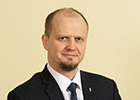
Anti Poolamets
Profiling Eesti Konservatiivse Rahvaerakonna fraktsioonAI Summary
Anti Poolamets notes with concern that the brutal consequences of mass immigration—characterized by predatory acts of violence in Western Europe—are now reaching Tartu. He criticizes the right to asylum, which allows murderers and rapists brought here from Sweden to remain living in Estonia, arguing that they cannot be deported because their countries of origin are considered unsafe under European standards.
Justiits- ja digiminister Liisa-Ly Pakosta
AI Summary
Minister of Justice and Digital Affairs Liisa-Ly Pakosta stresses that inmates convicted in Sweden will be brought to Estonia under armed guard directly to Tartu Prison, where they will not move in public spaces. She adds that any potential asylum applications they might file are futile, as they will be sent back to Sweden, which is a safe country, in any case.
Aseesimees Toomas Kivimägi
AI Summary
Deputy Speaker Toomas Kivimägi then gave the floor to Peeter Ernits.

Peeter Ernits
Profiling Fraktsiooni mittekuuluvad Riigikogu liikmedAI Summary
Peeter Ernits uses the tragic example of Tarmo’s case—a man who walked free after stabbing his partner, subsequently repeated the act, and finally committed a suicide attack—to pose a sharp question to the minister: why was this dangerous individual not detained in the empty Tartu prison, thereby preventing the ensuing fatalities?
Justiits- ja digiminister Liisa-Ly Pakosta
AI Summary
The Minister of Justice and Digital Affairs, Liisa-Ly Pakosta, began with a statement of condolence regarding the tragic domestic violence incident that has shaken society, while affirming Estonia’s unwavering commitment to the Istanbul Convention and to ensuring the safety of women and children. She stressed the need for specialized judges to handle domestic violence cases, but avoided commenting on the specific court ruling due to the independence of the judiciary. Furthermore, she highlighted alcohol and drug dependency as the primary root cause of crime and incarceration, stating that society must address this issue far more seriously.
Aseesimees Toomas Kivimägi
AI Summary
Deputy Speaker Toomas Kivimägi briefly announced that he was inviting Tõnis Lukas to the podium.

Tõnis Lukas
Profiling Isamaa fraktsioonAI Summary
Tõnis Lukas reproaches the minister for the insufficient public disclosure of the contract's contents and for contradictions in the justification for bringing foreign prisoners to Estonia, while also demanding clarification on how the educational opportunities stipulated by the constitution and prison regulations will be guaranteed for the inmates.
Justiits- ja digiminister Liisa-Ly Pakosta
AI Summary
Minister of Justice and Digital Affairs Liisa-Ly Pakosta confirmed that Swedish inmates have absolutely no prospect of asylum in Estonia and will be sent back to Sweden. Their resocialization and education will also take place there, as the Estonian state is only responsible for educating those inmates who are released into Estonian society.
Aseesimees Toomas Kivimägi
AI Summary
Deputy Chairman Toomas Kivimägi gave the floor to Mart Helme.

Mart Helme
Profiling Eesti Konservatiivse Rahvaerakonna fraktsioonAI Summary
Mart Helme dismisses citizen Pakosta’s claims about Estonia’s low crime rate as pure demagoguery, launching a sharp critique of a system incapable of putting repeat offenders behind bars. Furthermore, he demands an answer regarding how the government intends to combat public drug use and the horrific murders committed by minors, simultaneously calling into question the government’s moral authority to even address the issue.
Aseesimees Toomas Kivimägi
AI Summary
Deputy Chairman Toomas Kivimägi concluded his brief address with a courteous and specific expression of thanks.
Mart Helme
Profiling Eesti Konservatiivse Rahvaerakonna fraktsioonAI Summary
Mart Helme sharply challenges the moral right of those attempting to ram down the public's throat an agreement made with foreign nations regarding the acceptance of prisoners, emphasizing that this decision has faced clear public opposition.
Aseesimees Toomas Kivimägi
AI Summary
Deputy Chairman Toomas Kivimägi expressed thanks to Mart Helme in his brief address.
Mart Helme
Profiling Eesti Konservatiivse Rahvaerakonna fraktsioonAI Summary
Mart Helme posed a sharp and rhetorical question, challenging the listeners' moral right and legitimacy for a certain action or stance.
Justiits- ja digiminister Liisa-Ly Pakosta
AI Summary
The Minister of Justice and Digital Affairs, Liisa-Ly Pakosta, sharply rejects the assertion that the life-threatening stabbing of a former partner does not constitute domestic violence, deeming such a conclusion inappropriate for the floor of the Riigikogu (Parliament). She also expresses her condolences to the victims of these tragic incidents. Furthermore, she analyzes crime prevention measures, noting that serious crimes committed by minors in Estonia are rare, isolated occurrences. She also defends her moral right to address the issue of cost savings within the prison service, citing the continuation of her predecessor’s policy, under which prisons are reportedly half-empty thanks to effective preventative work.
Aseesimees Toomas Kivimägi
AI Summary
Deputy Speaker Toomas Kivimägi had to call Kalle Grünthal to order because his conversation, which had already lasted five minutes in the chamber, was interfering with both listening and the ability to respond. He then gave the floor to Aleksandr Tšaplõgin.

Aleksandr Tšaplõgin
Profiling Fraktsiooni mittekuuluvad Riigikogu liikmedAI Summary
Aleksandr Tšaplõgin expresses concern to the minister regarding the background of the inmates being transferred from Sweden to Estonia, specifically asking whether they are migrants who have contributed to the rising crime rates in Sweden, and openly doubts the Estonian prison system's capacity to handle them.
Justiits- ja digiminister Liisa-Ly Pakosta
AI Summary
Minister of Justice and Digital Affairs Liisa-Ly Pakosta emphasized that the Estonian prison service is experienced and capable of handling the inmates being transferred from Sweden, as they represent a carefully selected contingent from which terrorists and other more problematic individuals have been excluded. She noted that this group is, by several metrics, less severe than the current prison population. Furthermore, should a threat arise, it is possible to send the inmate back to Sweden, meaning there is absolutely no security threat to Estonian society.
Aseesimees Toomas Kivimägi
AI Summary
Deputy Speaker Toomas Kivimägi gave the floor to Diana Ingerainen.

Diana Ingerainen
Profiling Fraktsiooni mittekuuluvad Riigikogu liikmedAI Summary
Diana Ingerainen thanks the Minister for the explanations and wishes to know exactly how the payment for healthcare services provided to imported prisoners is managed, emphasizing Viljandi Hospital's extensive experience and competence in providing this service.
Justiits- ja digiminister Liisa-Ly Pakosta
AI Summary
Minister of Justice and Digital Affairs Liisa-Ly Pakosta is explaining the medical side of the agreement to accept Swedish inmates, stressing that it is beneficial for the South Estonian medical system. She notes that, with the involvement of Viljandi Hospital, the agreement guarantees a sufficient patient volume and income for medical personnel. Crucially, all healthcare costs will be fully covered by the Swedish taxpayer, and only younger inmates will be accepted—specifically those who can be offered the necessary treatment to a reasonable extent—thus preventing the system from becoming overloaded.
Aseesimees Toomas Kivimägi
AI Summary
Deputy Chairman Toomas Kivimägi invited Varro Vooglaid to the podium to begin his presentation.

Varro Vooglaid
Profiling Fraktsiooni mittekuuluvad Riigikogu liikmedAI Summary
Varro Vooglaid criticizes the presenter for relying on empty slogans and denying the risks associated with the project, emphasizing that bringing serious criminals to Estonia is illogical from an internal security standpoint, as it would divert necessary resources away from the actual needs of the Police and Border Guard Board (PPA) and the Defense Forces. Furthermore, he urgently demands the disclosure of the Security Police Board’s threat assessment to find out whether, instead of improving internal security, they will actually be forced to manage significant risks.
Justiits- ja digiminister Liisa-Ly Pakosta
AI Summary
Minister of Justice and Digital Affairs Liisa-Ly Pakosta emphasized that the risks associated with accepting Swedish prisoners—including radicalization, visitors, and external communication—have been thoroughly mapped and mitigated in cooperation with the Security Police (Kaitsepolitsei) and the Police and Border Guard Board (PPA). This mitigation is achieved through strict background checks and controlled communication. She further noted that the Swedish taxpayer will cover all expenses, thereby creating additional jobs in Estonia and providing internal security agencies with a valuable opportunity to boost their expertise.
Aseesimees Toomas Kivimägi
AI Summary
Deputy Speaker Toomas Kivimägi called Evelin Poolamets to the podium.

Evelin Poolamets
Profiling Fraktsiooni mittekuuluvad Riigikogu liikmedAI Summary
Evelin Poolamets describes the contract in question and the minister’s actions regarding the acceptance of Swedish prisoners as adventurism, warning that this deliberate risk—which, based on the experience of Sweden and the Netherlands, increases crime—is contrary to the principles of a civilized society. Furthermore, she suggests it leaves the impression that the actual purpose of the agreement is to increase crime just so that Tartu Prison has enough work.
Justiits- ja digiminister Liisa-Ly Pakosta
AI Summary
Minister of Justice and Digital Affairs Liisa-Ly Pakosta refutes the premises raised in the question—that prison leasing would increase crime or that it would be a first for Estonia—by citing a thorough analysis and previous international practice. She points out that the termination of a beneficial agreement (such as the one between the Netherlands and Norway) actually caused resentment in local communities due to job losses. It is further emphasized that none of the leased inmates will be released into Estonia, and the standard of the Estonian prison service is absolutely world-class.
Aseesimees Toomas Kivimägi
AI Summary
Deputy Speaker Toomas Kivimägi called Helle-Moonika Helme to the rostrum to deliver her presentation.

Helle-Moonika Helme
Profiling Eesti Konservatiivse Rahvaerakonna fraktsioonAI Summary
Helle-Moonika Helme sharply criticized the draft bill proposing the outsourcing of prisons, citing the Swedish Minister of Justice’s statement that the plan lacks support in the Swedish parliament. She further accused the bill’s presenter before the Riigikogu of either wasting time or engaging in deliberate deception to secure a blank mandate for importing prisoners into Estonia from any location.
Justiits- ja digiminister Liisa-Ly Pakosta
AI Summary
Minister of Justice and Digital Affairs Liisa-Ly Pakosta categorically rejected the substance of the question, stating that all the claims and points raised by the questioner are factually incorrect.
Aseesimees Toomas Kivimägi
AI Summary
Following a brief introduction, Deputy Chairman Toomas Kivimägi invited Margit Sutrop to speak.

Margit Sutrop
Profiling Eesti Reformierakonna fraktsioonAI Summary
Margit Sutrop thanked the minister for the thorough explanations but raised questions concerning the resolution of the deepening language barrier in prisons (including technical means) and the fulfillment of prisoners' religious needs, inquiring how the employment of various chaplains is organized and whether the Swedish state covers the associated costs and staffing deficit.
Justiits- ja digiminister Liisa-Ly Pakosta
AI Summary
Justice and Digital Minister Liisa-Ly Pakosta explained that since the majority of inmates do not speak Estonian, translation issues will be addressed using digital means, and a central translation solution is being developed for the needs of the entire legal system. Furthermore, pursuant to the agreement, Sweden will ensure supplementary religious needs (excluding specialized religious food), and prison staff will be offered further English language training.
Aseesimees Toomas Kivimägi
AI Summary
Deputy Chairman Toomas Kivimägi gave the floor to Heljo Pikhof with a brief announcement, inviting her to the speaker's stand.

Heljo Pikhof
Profiling Sotsiaaldemokraatliku Erakonna fraktsioonAI Summary
Heljo Pikhof disputes the claim that Viljandi Hospital is interested in accepting Swedish prisoners and expresses grave concern over the overburdening of the Estonian healthcare system, asking where the necessary specialists and psychologists will be found for Swedish patients requiring complex treatment, fearing that this will come at the expense of Estonian children's mental health.
Justiits- ja digiminister Liisa-Ly Pakosta
AI Summary
Justice and Digital Minister Liisa-Ly Pakosta emphasized, clarifying the repeated question, that no Estonian person will be deprived of psychological or psychiatric treatment due to the reception of detainees from Sweden, as prisoners requiring complex treatment will not be accepted, and if necessary, additional psychiatrists will come from Sweden, ensuring that Estonian doctors and psychiatrists can continue their usual work serving the people of Estonia.
Aseesimees Toomas Kivimägi
AI Summary
Deputy Chairman Toomas Kivimägi gave the floor to Aleksei Jevgrafov, inviting him to the podium.

Aleksei Jevgrafov
Profiling Fraktsiooni mittekuuluvad Riigikogu liikmedAI Summary
Aleksei Jevgrafov is raising doubts about whether designating English as the working language of Tartu Prison aligns with Article 52 of the Constitution of the Republic of Estonia, which mandates Estonian as the language used for official business in state institutions. He also asks whether English proficiency is now a new requirement for prison employees and how staff are supposed to handle foreign inmates who don't speak English.
Justiits- ja digiminister Liisa-Ly Pakosta
AI Summary
Justice and Digital Minister Liisa-Ly Pakosta confirmed that the Language Act will be fully complied with under the prison rental agreement by translating all official documents into Estonian. However, daily communication with foreign inmates will be conducted in English or via secure translation applications. She added that 250 new jobs will be created with Swedish funding, and the people filling these positions will be trained and offered English language instruction, whereas this is not mandatory for existing employees. She emphasized that similar translation solutions are already in use at the prison, and digital aids are broadly a priority for the European Union.
Aseesimees Toomas Kivimägi
AI Summary
Vice-Chairman Toomas Kivimägi gave the floor to Kalle Grünthal, inviting him to the podium.

Kalle Grünthal
Profiling Fraktsiooni mittekuuluvad Riigikogu liikmedAI Summary
Kalle Grünthal accused Liisa of lying regarding both the coverage of the agreement's costs—stressing that Estonia must bear the costs of adapting the prison itself (referencing Article 50 of the agreement)—and the voting procedure necessary for ratification, emphasizing that Article 104, point 15 of the Constitution likely requires more than a simple majority.
Aseesimees Toomas Kivimägi
AI Summary
Vice-Chairman Toomas Kivimägi offered only a brief word of thanks, thereby concluding his address.
Kalle Grünthal
Profiling Fraktsiooni mittekuuluvad Riigikogu liikmedAI Summary
Kalle Grünthal demands a clear answer and precise figures regarding the financial scope of the proprietary obligations undertaken by the state pursuant to Article 50, point 1, the coverage of which will be borne by the Republic of Estonia.
Justiits- ja digiminister Liisa-Ly Pakosta
AI Summary
Justice and Digital Affairs Minister Liisa-Ly Pakosta explained that all costs related to the contract, including the adaptation works for the vacant Tartu Prison building, will be covered by an advance payment from the Swedish taxpayer. She emphasized that because Sweden pays significantly more per inmate (8,500 euros versus Estonia’s 3,500 euros) and guarantees a large minimum contract volume, this constitutes a clear financial win for the Estonian taxpayer, who would otherwise have to cover the building’s maintenance costs themselves.
Aseesimees Toomas Kivimägi
AI Summary
Deputy Speaker Toomas Kivimägi called Varro Vooglaid to the podium, but the content of his address is not reflected in this text.
Varro Vooglaid
Profiling Fraktsiooni mittekuuluvad Riigikogu liikmedAI Summary
Varro Vooglaid demanded answers to several critical questions, focusing primarily on the availability of the written threat assessment by the Estonian Security Police (KAPO) to members of the Riigikogu (Parliament). He also sharply contested the claim that the Swedish state would cover the extensive additional costs incurred by KAPO for background checks related to the contract, requesting that the corresponding clause in the agreement be shown, and asking what would happen if these costs exceeded the projections.
Justiits- ja digiminister Liisa-Ly Pakosta
AI Summary
Minister of Justice and Digital Affairs Liisa-Ly Pakosta emphasized that communication regarding the threat assessment document must be conducted directly with the holder of the information, the Security Police Board (Kaitsepolitseiamet). She also confirmed that the 8,500 euros paid for the Swedish detainee (compared to 3,500 euros for the Estonian detainee) covers all additional costs and the risk margin under the contract, having taken into account the necessary sums presented by the Director General of the Security Police Board.
Aseesimees Toomas Kivimägi
AI Summary
Deputy Speaker Toomas Kivimägi informed the members of the Riigikogu of the Estonian Reform Party faction's proposal to extend today's sitting until the agenda is exhausted, but no later than 14:00, requesting an immediate quorum call and a vote on the proposal, and recommended that the minister explain in the meantime why he failed to answer Mr. Vooglaid's question.
Aseesimees Toomas Kivimägi
AI Summary
Deputy Speaker Toomas Kivimägi announced the voting results (52 in favor, 14 against), extended the sitting until 2 PM at the latest, and gave the floor to Varro Vooglaid so he could pose a question to the presiding officer before the change of the chair.
Varro Vooglaid
Profiling Fraktsiooni mittekuuluvad Riigikogu liikmedAI Summary
Varro Vooglaid criticized the conduct of the session, arguing that members of the Riigikogu had not been informed about the existence of a threat assessment by the Estonian Internal Security Service (KAPO) related to the draft bill under discussion. He demanded that, going forward, MPs be informed beforehand about materials concerning security threats so that they could review them and thus hold a more substantive and informed debate, thereby avoiding a situation where a lack of information renders the public discussion meaningless.
Aseesimees Toomas Kivimägi
AI Summary
Deputy Speaker Toomas Kivimägi confirms the existence of the Security Police (KAPO) report, which was known to Riigikogu members. He emphasized that although the document is not public, members of parliament had the opportunity to review it if they wished, and therefore they cannot blame others if they themselves failed to take advantage of that opportunity.
Kalle Grünthal
Profiling Fraktsiooni mittekuuluvad Riigikogu liikmedAI Summary
Kalle Grünthal sharply criticized the bill preparation process, arguing that members of the Riigikogu were not informed about the availability of a crucial Internal Security Service report. He stated that this contradicts the standard practice of sound legislative drafting, which requires all materials to be fully compiled, and therefore demands the immediate suspension of the proceedings to allow the deputies an opportunity to review the missing documentation.
Aseesimees Toomas Kivimägi
AI Summary
Deputy Speaker Toomas Kivimägi responded to his colleague, stressing that the report designated for internal use (AK) has been available to members of the Riigikogu for several weeks already, and if that opportunity hasn't been utilized, others cannot be blamed.
Varro Vooglaid
Profiling Fraktsiooni mittekuuluvad Riigikogu liikmedAI Summary
Varro Vooglaid sharply criticizes the lack of dedicated information channels for members of the Riigikogu (Parliament). These channels should allow them to access threat assessments—such as materials compiled by the Security Police Board (Kaitsepolitseiamet)—related to bills currently under consideration. He emphasizes that the current situation prevents informed decision-making and demands an explanation as to where MPs are expected to obtain such information in advance.
Aseesimees Toomas Kivimägi
AI Summary
Deputy Chairman Toomas Kivimägi emphasized that, although there was nothing written down in black and white, the crucial information was accessible via the Legal Affairs Committee. He went on to criticize the faction's internal communication shortcomings and flatly rejected the proposal to establish a new website related to the issue.
AI Summary
Rene Kokk, much like Varro Vooglaid, challenged the assertion that all members of the Riigikogu are aware of the threat assessment associated with the material under discussion. He demanded a specific reference detailing when and where this information was made accessible to everyone. Furthermore, he proposed that going forward, such crucial documents and references to them should always be included on the agenda, ensuring that Riigikogu members can properly review them before the deliberation process begins.
Aseesimees Toomas Kivimägi
AI Summary
Deputy Speaker Toomas Kivimägi explained in response to the criticism that although official notification was not issued to all members of the Riigikogu, the relevant information was widely known. He also expressed his readiness to discuss better methods within the Board for informing parliament members about important documents and analyses, while simultaneously stressing that the lead committee is the primary information channel and all submitted documents are correct.

Rain Epler
Profiling Fraktsiooni mittekuuluvad Riigikogu liikmedAI Summary
Rain Epler challenges Mrs. Pakosta’s optimism regarding cost coverage, emphasizing that Estonia is taking on the obligation to bear all adjustments stemming from international requirements, damages caused by prisoners, and numerous legal violations (such as monitoring meetings with a lawyer and ensuring hot drinks), which will result in significant additional costs, thereby calling into question the hope that the Swedish taxpayer will cover them all.
Aseesimees Arvo Aller
AI Summary
Vice-Chairman Arvo Aller gave a short and direct signal that it was time for the next speaker to begin their presentation.
Rain Epler
Profiling Fraktsiooni mittekuuluvad Riigikogu liikmedAI Summary
Rain Epler questions whether an income or fee increase of 5,000 euros is sufficient to fully cover the resulting expense or shortfall.
Justiits- ja digiminister Liisa-Ly Pakosta
AI Summary
Minister of Justice and Digital Affairs Liisa-Ly Pakosta emphasizes that 5,000 euros per month per inmate is a sufficient sum which, according to a thorough analysis by independent auditors, covers all costs, including translation services (since over half of the inmates do not speak the language of the prison staff), while also incorporating an adequate risk margin. She further adds that the work of lawyers is internationally regulated and a hot drink is not a cost factor.
Aseesimees Arvo Aller
AI Summary
Deputy Chairman Arvo Aller announced the receipt of procedural questions and then gave the floor to Heljo Pikhof.
Heljo Pikhof
Profiling Sotsiaaldemokraatliku Erakonna fraktsioonAI Summary
Heljo Pikhof expresses deep dismay and calls it an unacceptable manipulation that Riigikogu members are forced to make a crucial decision without knowing the precise risk assessments, given that no one has been allowed to review them—which is, essentially, "buying a pig in a poke."
Liisa-Ly Pakosta justiits- ja digiminister
AI Summary
Liisa-Ly Pakosta, the Minister of Justice and Digital Affairs, thanked the questioner for the question that had been posed to her.
Aseesimees Arvo Aller
AI Summary
Deputy Speaker Arvo Aller intervened to correct the minister, explaining that the recurring question had already been answered by the previous presiding officer, who had promised to refer the matter to the board when dealing with subsequent bills. He then yielded the floor to Rene Koka.
AI Summary
Rene Kokk considers the previous leader’s position—that everyone is aware of the background information regarding draft legislation—to be irresponsible, arguing this stance deprives many non-committee members (the so-called "aknaalused") of crucial analyses, especially those compiled by security and law enforcement agencies. Consequently, he urgently demands that the management ensure all references to relevant materials are clearly appended to the agenda in the future, thereby guaranteeing that all deputies are fully informed.
Aseesimees Arvo Aller
AI Summary
Deputy Speaker Arvo Aller stressed that, for the sake of the future, it is extremely important to guarantee members of the Riigikogu full access to materials marked AK so they can perform their duties, even if this must occur under special conditions (in a "secure chamber"), and subsequently yielded the floor to Varro Vooglaid for a point of order.
Varro Vooglaid
Profiling Fraktsiooni mittekuuluvad Riigikogu liikmedAI Summary
Varro Vooglaid sharply criticizes the classification of threat assessments from members of the Riigikogu (Parliament), particularly regarding the transfer of recidivists to Tartu, emphasizing that this secrecy prevents informed decision-making. Furthermore, he accuses the previous session chair of making false claims, suggesting these issues had supposedly been discussed in committees, and demands that the Board seriously address the problem to ensure that parliamentarians are guaranteed information about the existence of secret analyses before any debates begin.
Aseesimees Arvo Aller
AI Summary
Vice-Chairman Arvo Aller thanked the speaker for the point raised, confirmed that the relevant information would be passed on to the board, and subsequently gave the floor to Kalle Grünthal for a procedural matter.
Kalle Grünthal
Profiling Fraktsiooni mittekuuluvad Riigikogu liikmedAI Summary
Kalle Grünthal raises a procedural protest, emphasizing that the discussion of the agenda item is impossible because all underlying documents, including the Security Police report which only surfaced during the session itself, have not been made available to the members of the Riigikogu in a timely manner. Referring to § 73 of the Riigikogu Rules of Procedure and Internal Rules Act, he urgently demands that the presiding officer immediately suspend the debate until the missing materials are made available.
Aseesimees Arvo Aller
AI Summary
Vice-Chairman Arvo Aller acknowledges that although a specific AK document is missing, 36 risks have been assessed in the explanatory memorandum, the correspondence of which with the assessment by the Security Police mentioned by the minister remains unclear. He stresses that although the sitting should not commence without all the materials, the first reading, which has already begun, must continue, and demands that in the future, all documents be correctly indicated in the materials.
Rain Epler
Profiling Fraktsiooni mittekuuluvad Riigikogu liikmedAI Summary
Rain Epler raises a procedural question, criticizing the decision by the Security Police (Kaitsepolitsei) to classify the threat assessment required for the discussion of the draft bill, and demands that the presiding officer call a recess to consult with the board and the legal department on how to proceed with the deliberation given that members of the Riigikogu have not had access to key documents, warning that failure to do so would set a dangerous precedent for overriding legislation.
Aseesimees Arvo Aller
AI Summary
Deputy Chairman Arvo Aller emphasized the necessity of reviewing the existing threat assessment but acknowledged simultaneously that the required material or reference was missing in this context (referring to the AK), subsequently yielding the floor to Kalle Grünthal for a procedural question.
Kalle Grünthal
Profiling Fraktsiooni mittekuuluvad Riigikogu liikmedAI Summary
Kalle Grünthal stresses that because it became apparent during the session that the documents pertaining to the agenda item under discussion have not been available to Riigikogu members, he demands that the session chairman, Arvo Aller, utilize his exclusive authority to immediately halt the debate and move on to the next item.
Aseesimees Arvo Aller
AI Summary
Deputy Chairman Arvo Aller announced after expressing his thanks that he would take a 15-minute recess called by the chair to clarify the situation.
Aseesimees Arvo Aller
AI Summary
Deputy Speaker Arvo Aller provided members of the Riigikogu with a procedural clarification regarding the first reading of the government bill, specifying that although the first reading only addresses the bill and its explanatory memorandum, members are guaranteed the opportunity to request additional documents, including a threat assessment, during the time between the two readings, in order to submit amendments based on a broad foundation of knowledge.
Kalle Grünthal
Profiling Fraktsiooni mittekuuluvad Riigikogu liikmedAI Summary
Kalle Grünthal challenges the possibility of discussing the agenda item, arguing that the essential assessment by the Security Police (KAPO) upon which it is based was not made available to the members of the Riigikogu in a timely manner. He emphasizes that this circumstance impedes substantive debate and demands the application of an analogy drawn from current legal practice, which would permit the postponement of the discussion, while referencing Section 73 of the Riigikogu Rules of Procedure and Internal Rules Act.
Aseesimees Arvo Aller
AI Summary
Vice-Chairman Arvo Aller explained that the bill under discussion had been received from the government as a complete package, including all necessary documentation. Since no amendments were made in the committee, it is currently being debated in the main chamber in its original form, after which he yielded the floor for a procedural question.
Mart Helme
Profiling Eesti Konservatiivse Rahvaerakonna fraktsioonAI Summary
Mart Helme does not consider the board's explanation acceptable, as the necessary analyses and reports are not available to the members of the Riigikogu or the relevant committees (including the committees for the supervision of law enforcement and security agencies), making substantive discussion impossible; he agrees with Kalle Grünthal and proposes that the current first reading be suspended and the topic only be returned to the chamber once all necessary documents have been provided to the members.
Aseesimees Arvo Aller
AI Summary
Deputy Chairman Arvo Aller clarified procedural matters, confirming that motions to adjourn are permissible during the course of negotiations. He further stressed that while referencing threat assessments falls within the commission's competence, the commission itself did not submit any amendments or request modified wording, which is why the commission's autonomy in handling the draft legislation is fully respected.
Kalle Grünthal
Profiling Fraktsiooni mittekuuluvad Riigikogu liikmedAI Summary
Kalle Grünthal objects to the handling of the agenda item because the submitted documents (the explanatory memorandum and the draft legislation) are insufficient, and critical information is missing, specifically the assessment from the Security Police (Kaitsepolitsei), which is required before the Estonian state assumes financial obligations. He therefore supports Mart Helme's position and requests that the debate be suspended until the missing information is available and all circumstances are clear, citing as a legal analogy the practice of courts reinstating deadlines.
Aseesimees Arvo Aller
AI Summary
Deputy Chairman Arvo Aller provided an overview of the procedure for handling the government bill, explaining that the Bureau refers the bill to the committee, which is responsible for the substantive review and calling for necessary documents. He further stressed that in this specific instance, the bill was returned from the committee in its original form, without a single amendment.
Mart Helme
Profiling Eesti Konservatiivse Rahvaerakonna fraktsioonAI Summary
Mart Helme strongly demands the immediate suspension of proceedings on the bill, which is currently under intense public scrutiny, because parliamentarians lack access to the deep and comprehensive background analysis promised by the minister—analysis that is essential for making a responsible decision. He sharply criticized the government’s actions as improper parliamentary procedure, claiming it is only fit for "banana republics."
Aseesimees Arvo Aller
AI Summary
Deputy Chairman Arvo Aller reiterated that while the committee is procedurally able to request additional documents and make amendments between the readings of the bill, they have for some reason not requested the necessary analysis, simultaneously emphasizing the importance of Peeter Ernits' procedural question.
Peeter Ernits
Profiling Fraktsiooni mittekuuluvad Riigikogu liikmedAI Summary
Peeter Ernits directs his colleagues' attention to the fact that Finance Minister Ligi inadvertently revealed information during the Legal Committee session, stating that the government had previously attempted to process a similar draft bill. However, that attempt was shelved because the report from the Security Police Board (KAPO) was completely contrary to the proposal, a detail which is crucial for those currently debating this draft bill.
Aseesimees Arvo Aller
AI Summary
Vice-Chairman Arvo Aller confirmed that the Legal Affairs Committee has the procedural right to demand the necessary reports, which is precisely the committee's next course of action, and then gave the floor to Heljo Pikhof for a procedural question.
Heljo Pikhof
Profiling Sotsiaaldemokraatliku Erakonna fraktsioonAI Summary
Heljo Pikhof emphasizes that because there is a complete lack of analysis in both the protocol and the explanatory memorandum, the Legal Affairs Committee was forced to rely on insufficient information, meaning the final decision will also be made in the chamber without the necessary data.
Aseesimees Arvo Aller
AI Summary
Deputy Chairman Arvo Aller, who had not read the minutes, drew the attention of the members of the Legal Affairs Committee to the security risk analysis found on pages 2 and 10 of the explanatory memorandum. This analysis was compiled jointly by the Police and Border Guard Board, the Internal Security Service, and the Ministry of the Interior, and he recommended that the members request it as the basis for their work.
Kalle Grünthal
Profiling Fraktsiooni mittekuuluvad Riigikogu liikmedAI Summary
Kalle Grünthal voiced profound bewilderment concerning the legislative procedure, stressing that the process cannot move forward due to a lack of sufficient background data and the concealment of a crucial document—one that is indispensable for the realization of the legislation—from the entire Estonian nation.
Aseesimees Arvo Aller
AI Summary
Deputy Chairman Arvo Aller stresses that the committee's decisions relied on a comprehensive explanatory memorandum, in which the security risks and the corresponding mitigation measures were clearly detailed on pages 2 and 10, thus dismissing the allegations that the committee supposedly lacked information.
Helle-Moonika Helme
Profiling Eesti Konservatiivse Rahvaerakonna fraktsioonAI Summary
Helle-Moonika Helme holds the view that since the threat assessment referenced in the bill’s explanatory memorandum is absent and the committee has failed to carry out its work properly, the Riigikogu cannot continue the proceedings in good faith. Consequently, the committee should withdraw the bill in the plenary session so that members can review the missing document and subsequently return to the first reading.
Aseesimees Arvo Aller
AI Summary
Vice-Chairman Arvo Aller outlined the stages of the bill's proceedings, explaining that the committee is responsible for the accuracy of the documents received from the government and makes the necessary amendments between readings, emphasizing that the responsibility for the quality of the draft legislation rests with both the government and the committee, and subsequently yielded the floor to Züleyxa Izmailova for a procedural question.

Züleyxa Izmailova
Profiling Fraktsiooni mittekuuluvad Riigikogu liikmedAI Summary
Züleyxa Izmailova, referencing the positions of both more experienced colleagues and the presiding officer of the session, emphasizes that the draft legislation under consideration does not meet the required criteria. She calls for things to be done correctly and for taking a step back in order to restore the public's trust in politicians, which has fallen to a low level.
Aseesimees Arvo Aller
AI Summary
Deputy Speaker Arvo Aller explained the parliament’s working procedure, clarifying that the session chair’s authority extends only to resolving procedural matters and hearing proposals for the withdrawal of a draft bill, whereas amendments can only be introduced by the government or the lead committee between the first and second readings, and subsequently gave the floor to Evelin Poolamets for a procedural question.
Evelin Poolamets
Profiling Fraktsiooni mittekuuluvad Riigikogu liikmedAI Summary
Evelin Poolamets pointed out the problematic nature of the sitting, noting that the responsibility for the decision rested solely with them, not the government. Furthermore, since the discussion revealed a lack of essential documents and raised suspicions about the absence of supplementary materials, she requested that the first reading be suspended to ensure the completeness of all materials pertaining to the draft bill.
Aseesimees Arvo Aller
AI Summary
Vice-Chairman Arvo Aller confirmed that the documents and procedural requirements necessary for the first reading of the draft bill had been met. He then moved the session on to the first reading, opening the floor for questions to the Minister and yielding the floor to Helle-Moonika Helme.
Helle-Moonika Helme
Profiling Eesti Konservatiivse Rahvaerakonna fraktsioonAI Summary
Helle-Moonika Helme sharply criticized the government's draft bill concerning the transfer of prisoners here, stressing that the agreement lacks support in the Swedish parliament. She further accused the minister of lying to the public and engaging in pointless spin, as she suspects the real objective is to secure a blank check from parliament for renting out prison facilities to other countries, even if the Swedish agreement is never ratified.
Aseesimees Arvo Aller
AI Summary
Vice-Chairman Arvo Aller handed the floor over to the next speaker with the brief phrase, "Your time!" thereby signaling the start of the presentation.
Helle-Moonika Helme
Profiling Eesti Konservatiivse Rahvaerakonna fraktsioonAI Summary
Helle-Moonika Helme calls into question the point of discussing the draft bill, asking rhetorically why it is being discussed at all if certain necessary steps are not taken.
Aseesimees Arvo Aller
AI Summary
Deputy Chairman Arvo Aller politely concluded his brief address, expressing only a single word of thanks.
Justiits- ja digiminister Liisa-Ly Pakosta
AI Summary
Minister of Justice and Digital Affairs Liisa-Ly Pakosta sharply rejected accusations of laziness and lack of transparency in the preparation of the draft bill, emphasizing that the Security Police (KAPO) study regarding security risks has been thoroughly detailed in the explanatory memorandum, which members of the Riigikogu have had every opportunity to review. She further confirmed that, contrary to claims, Swedish opposition parties have confirmed their support for the ratification of the related treaty in the Riksdag, meaning the necessary support exists in the Swedish parliament.
Aseesimees Arvo Aller
AI Summary
Deputy Chairman Arvo Aller called upon Jaak Valge to begin his presentation.

Jaak Valge
Profiling Fraktsiooni mittekuuluvad Riigikogu liikmedAI Summary
Jaak Valge called the minister’s presentation a robust sales pitch that repeated claims refuted by economists, particularly regarding the need for 300 new jobs. He emphasized that the state’s goal should be replacing low value-added jobs with smart jobs, and asked why the minister was acting contrary to the necessity of creating precisely high value-added jobs.
Justiits- ja digiminister Liisa-Ly Pakosta
AI Summary
Minister of Justice and Digital Affairs Liisa-Ly Pakosta confirms that the Estonian prison service will continue its world-class digital and IT development projects. Simultaneously, supported by the Swedish taxpayer, education and English language training are being offered both to new recruits entering the labor market and to current prison service employees. These employees will retain their full salary while studying, the goal being to raise their qualifications and create smart jobs with higher added value.
Aseesimees Arvo Aller
AI Summary
Deputy Chairman Arvo Aller, regarding Helle-Moonika Helme, intervened in the discussion to raise a procedural question.
Helle-Moonika Helme
Profiling Eesti Konservatiivse Rahvaerakonna fraktsioonAI Summary
Helle-Moonika Helme raised a procedural question, seeking clarification on the minister's claim regarding the existence of an agreement concluded between the Government of the Republic of Estonia and the Swedish opposition.
Justiits- ja digiminister Liisa-Ly Pakosta
AI Summary
Minister of Justice and Digital Affairs Liisa-Ly Pakosta briefly and categorically denied making the statement in question, thereby refuting the words attributed to her.
Helle-Moonika Helme
Profiling Eesti Konservatiivse Rahvaerakonna fraktsioonAI Summary
Helle-Moonika Helme questions the legitimacy of the bilateral agreement being ratified in parliament, rhetorically asking whether the government of another country can approach parliament claiming that the agreement exists, when it is supported only by the partner country's opposition, and not its actual government.
Aseesimees Arvo Aller
AI Summary
Deputy Chairman Arvo Aller clarified, referring to the transcript, that the Swedish opposition had visited Estonia and that what they saw there was covered by Swedish newspapers, leaving the interpretation open, before yielding the floor to Kalle Grünthal.
Kalle Grünthal
Profiling Fraktsiooni mittekuuluvad Riigikogu liikmedAI Summary
Kalle Grünthal opens his remarks by referencing the film "Nukitsamees" to accuse the opposing side of attempting to lie to members of the Riigikogu, arguing that, according to Article 50, the costs for adapting and equipping the prison related to the agreement fall to Estonia; he immediately demands concrete financial figures, not vague explanations.
Justiits- ja digiminister Liisa-Ly Pakosta
AI Summary
Justice and Digital Affairs Minister Liisa-Ly Pakosta confirmed that Swedish opposition parties support the agreement. She stressed that Sweden will cover all costs associated with Tartu Prison as an advance payment, including 1.6 million euros for repairs—expenses that the Estonian taxpayer would have incurred even without foreign detainees—making the deal wholly advantageous for Estonia.
Aseesimees Arvo Aller
AI Summary
Deputy Chairman Arvo Aller and Kalle Grünthal requested the floor to raise a procedural question.
Kalle Grünthal
Profiling Fraktsiooni mittekuuluvad Riigikogu liikmedAI Summary
Kalle Grünthal is casting doubt on Liisa-Ly Pakosta’s competence and her assertions regarding the absence of costs for the Estonian state, citing Article 50, Point 1 of the agreement, which obligates Estonia to cover the expenses. He is also urgently demanding that Pakosta provide the specific financial figure related to equipping the prison.
Aseesimees Arvo Aller
AI Summary
Vice-Chairman Arvo Aller raised a point of procedure, drawing attention to the figure of 1.6 million mentioned in the explanatory memorandum. He requested the Minister to provide a clarifying answer regarding this number within the context of the subsequent question, and then yielded the floor to Rene Koka.
AI Summary
Rene Kokk criticizes the minister’s conduct, noting that the minister abandoned their official role to chastise Riigikogu members while simultaneously omitting crucial details regarding the differences in information sharing between the coalition and the opposition. He then raises concerns about recruiting 150–200 staff members for the new prison, questioning whether discussions have been held with other security and law enforcement agencies (the Defense Forces, the Police and Border Guard Board (PPA), the Rescue Board) about how this will impact the personnel resources of these already understaffed institutions, given the similarity in the required professional profile.
Justiits- ja digiminister Liisa-Ly Pakosta
AI Summary
Justice and Digital Minister Liisa-Ly Pakosta explained that, in addition to renovation costs, approximately one million euros of Swedish taxpayer money will be invested in digital solutions that will serve the entire Estonian legal system. She also emphasized that this foreign funding is extremely beneficial for Estonia, particularly regarding the training of internal security personnel, by creating jobs, offering international career opportunities, and helping to solve the issue of record-high youth unemployment.
Aseesimees Arvo Aller
AI Summary
After a brief introduction, Vice-Chairman Arvo Aller gave the floor to Tõnis Lukas, inviting him up to the podium.
Tõnis Lukas
Profiling Isamaa fraktsioonAI Summary
Tõnis Lukas voices concern regarding the actual ties to organized crime among the inmates being transferred from Sweden to Tartu Prison. He emphasizes that court rulings may not always fully reflect gang affiliation and questions whether the Estonian police and the Security Police (KAPO) possess the necessary authority to conduct sufficiently thorough background checks to confirm these ties, thereby supplementing the information provided by the Swedish decisions.
Justiits- ja digiminister Liisa-Ly Pakosta
AI Summary
The Minister of Justice and Digital Affairs, Liisa-Ly Pakosta, explained the close cooperation between Estonia and Sweden in mitigating risks associated with organized crime, emphasizing that both countries share a unified interest in dismantling criminal gang networks. For this reason, Sweden does not transfer detainees to Estonia if there is even the slightest suspicion of their involvement in gang crime or if they are currently under special surveillance. This is because monitoring these individuals is crucial for apprehending the rest of the network. Should suspicions arise even after an individual has been transferred to Estonia, they are immediately sent back to ensure the security of both nations.
Aseesimees Arvo Aller
AI Summary
Deputy Chairman Arvo Aller, seemingly acting as the presiding officer, then called Rain Epler to the podium.
Rain Epler
Profiling Fraktsiooni mittekuuluvad Riigikogu liikmedAI Summary
Rain Epler casts doubt on previous claims that the prisoner transfer agreement excludes members of organized crime and gang members, stressing that the agreement only specifies certain categories (such as juveniles, women, and terrorist offenders), and concludes that the actual motivations for both the Swedish and Estonian sides are primarily financial, rather than restrictions related to the nature of the crime.
Aseesimees Arvo Aller
AI Summary
Deputy Chairman Arvo Aller gave a brief and specific cue that the next speaker could begin their allotted time.
Rain Epler
Profiling Fraktsiooni mittekuuluvad Riigikogu liikmedAI Summary
Rain Epler clarified that while there are additional clauses allowing the refusal of extradition for individuals involved in criminal activity, this absolute prohibition is not stipulated in the agreement itself, and he accused the listener of misrepresenting the contract's content.
Justiits- ja digiminister Liisa-Ly Pakosta
AI Summary
Minister of Justice and Digital Affairs Liisa-Ly Pakosta confirmed that the prisoner transfer agreement between Estonia and Sweden sufficiently regulates security risks and the threat of organized crime, emphasizing that both Estonia and Sweden have the right under Articles 20 and 22 to return the detainee if a connection to gang crime emerges, and that all prisoners coming to Estonia previously undergo a background check by the Estonian Security Police.
Aseesimees Arvo Aller
AI Summary
Deputy Chairman Arvo Aller Rain Epler addressed the presiding officer with a short procedural question.
Rain Epler
Profiling Fraktsiooni mittekuuluvad Riigikogu liikmedAI Summary
Rain Epler raised two procedural questions. The first concerned the right of Riigikogu members to propose amendments to foreign treaties themselves, not just to the ratification bills. The second was a proposal suggesting the inclusion of a language editor or controller in the sittings to ensure the precise consistency between the language used by ministers and the treaty texts, and to avoid ambiguity, especially regarding individuals connected with organized crime.
Aseesimees Arvo Aller
AI Summary
Deputy Chairman Arvo Aller emphasized that the text of the signed agreement cannot be altered and that the role of the decision-makers is limited to either approving or rejecting the draft bill, noting that including the transcript would result in additional expense. He then gave the floor to Ester Karus to pose a question to the minister.

Ester Karuse
Profiling Fraktsiooni mittekuuluvad Riigikogu liikmedAI Summary
Ester Karuse expresses concern regarding the bill's impact on the qualified workforce within the internal security sector, pointing to nearly 200 vacant positions. She demands a concrete forecast and figures from the government detailing how the new positions will be filled without drawing resources from already overworked police officers, rescuers, and ambulance personnel, and requests clarification on how this problem will be avoided.
Justiits- ja digiminister Liisa-Ly Pakosta
AI Summary
Minister of Justice and Digital Affairs Liisa-Ly Pakosta explained the terms of the agreement regarding the repatriation of Swedish prisoners, emphasizing Sweden's right to restrict the profile of the detainees. She then focused on the personnel issue, confirming that expenditures and training at the Estonian Academy of Security Sciences will only commence after the agreement has been ratified. Furthermore, recruitment will proceed gradually, partially utilizing staff whose positions have been made redundant elsewhere. The current staff complement is sufficient to handle the workload until the end of 2026, meaning the first new officials will not start work until the beginning of 2027.
Aseesimees Arvo Aller
AI Summary
Vice-Chairman Arvo Aller handed the floor over to Ando Kiviberg, inviting him to the podium.

Ando Kiviberg
Profiling Fraktsiooni mittekuuluvad Riigikogu liikmedAI Summary
Ando Kiviberg deems the ongoing debate and the state's handling of the issue of depopulating prisons to be foolish and ill-conceived. He demands an explanation from the minister regarding the alternative solutions to this problem, which has been on the agenda for several governments now.
Justiits- ja digiminister Liisa-Ly Pakosta
AI Summary
Minister of Justice and Digital Affairs Liisa-Ly Pakosta justified the decision to lease out Tartu Prison, which followed a drop in the number of inmates and the redundancy of over 100 jobs, emphasizing that demolishing or maintaining the empty, expensive, and modern facility would have been fiscally irresponsible toward the taxpayer. Therefore, based on international practice, the option chosen was to rent it exclusively to NATO member states, a move that generates over 60 million euros for the state annually, saves the taxpayer money, and ensures broader internal security.
Aseesimees Arvo Aller
AI Summary
Deputy Chairman Arvo Aller gave a brief address and invited Anti Allas to the podium or to speak.

Anti Allas
Profiling Fraktsiooni mittekuuluvad Riigikogu liikmedAI Summary
Anti Allas emphasized the ongoing labor shortage problem in the internal security sector, demanding concrete answers regarding the steps planned to prevent police officers and border guards from leaving for other sectors, and whether a significant salary increase, funded by earned profits, has been discussed with the Minister of the Interior, given that previous responses have been insufficient.
Justiits- ja digiminister Liisa-Ly Pakosta
AI Summary
Minister of Justice and Digital Affairs Liisa-Ly Pakosta confirms that raising the salaries of internal security employees, especially those at the Police and Border Guard Board, is a government priority that will make police work more attractive. She also introduced a plan, funded by Sweden, to create additional study places at the Estonian Academy of Security Sciences for people seeking a career change, aiming to increase the overall number of employees in the internal security sector, while simultaneously emphasizing close cooperation and non-discriminatory recruitment between the police and the prison service.
Aseesimees Arvo Aller
AI Summary
The Deputy Chairman, Arvo Aller, and Heljo Pikhof were invited to the podium to deliver their addresses.
Heljo Pikhof
Profiling Sotsiaaldemokraatliku Erakonna fraktsioonAI Summary
Heljo Pikhof points out a contradiction in the agreement, where Article 50 explicitly stipulates that Estonia covers the costs related to the adaptation, preparation, and equipping of the prison, while a colleague referred to Article 53, which concerns reimbursement by Sweden. She demands an explanation from the minister as to which wording refutes Estonia's obligation to cover these costs.
Justiits- ja digiminister Liisa-Ly Pakosta
AI Summary
The Minister of Justice and Digital Affairs, Liisa-Ly Pakosta, emphasized that although Estonia covers the costs of services related to Swedish inmates (salaries, medical care, social work), all revenues come from the Swedish state. This arrangement ensures a significant financial benefit for Estonia, which includes a monthly fee of 8,500 euros per inmate, as well as an indexed, prepaid price floor exceeding 30 million euros.
Aseesimees Arvo Aller
AI Summary
The Deputy Chairman, Arvo Aller, and Henn Põlluaas were invited to take the floor to present their report.
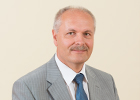
Henn Põlluaas
Profiling Fraktsiooni mittekuuluvad Riigikogu liikmedAI Summary
Henn Põlluaas is criticizing the Penitentiary Act, which allows dangerous criminals—including pedophiles and rapists arriving from Sweden—to receive prison furlough and move about freely. He expressed concern that this policy is turning the area into a "prison capital" that poses a threat to regional security.
Justiits- ja digiminister Liisa-Ly Pakosta
AI Summary
Minister of Justice and Digital Affairs Liisa-Ly Pakosta gave a firm assurance that the free movement of Swedish inmates within Estonian society is completely ruled out, emphasizing that any leave or movement outside custody will take place only on Swedish territory, to which the prisoner will be transported specifically for that purpose. Furthermore, in Estonia, inmates will only move with armed escorts to address life-threatening medical emergencies, simultaneously dismissing fears that Estonia would become a "prison capital."
Aseesimees Arvo Aller
AI Summary
Deputy Chairman Arvo Aller gave the floor to Züleyxa Izmailova, asking her to begin her address.
Züleyxa Izmailova
Profiling Fraktsiooni mittekuuluvad Riigikogu liikmedAI Summary
Züleyxa Izmailova emphasizes that the emptiness of Tartu Prison is not a sign of Estonia's security, but rather shows that Estonia, having been led by the Reform Party for a long time, lacks the funds necessary to isolate dangerous individuals from society. This situation has consequently led to an increase in violent incidents and a resulting shortage of systemic action and street patrols.
Aseesimees Arvo Aller
AI Summary
Vice-Chairman Arvo Aller indicated with the brief phrase, "Your time!" that the next speaker's allotted time had started and they should begin their presentation.
Züleyxa Izmailova
Profiling Fraktsiooni mittekuuluvad Riigikogu liikmedAI Summary
Züleyxa Izmailova emphasized in her report that, despite the ongoing events, the lives and health of the Estonian people will remain stable and unchanged.
Aseesimees Arvo Aller
AI Summary
Vice-Chairman Arvo Aller concluded his brief address with a word of thanks, thereby expressing his gratitude.
Züleyxa Izmailova
Profiling Fraktsiooni mittekuuluvad Riigikogu liikmedAI Summary
Züleyxa Izmailova expressed concern that the relatives and friends accompanying the prisoners arriving in Estonia might pose a threat to local security.
Aseesimees Arvo Aller
AI Summary
Deputy Chairman Arvo Aller confined himself to a brief expression of thanks, simply saying, "Thank you!"
Justiits- ja digiminister Liisa-Ly Pakosta
AI Summary
Minister of Justice and Digital Affairs Liisa-Ly Pakosta emphasizes that empty prisons are a sign of the international success story of Estonia’s incarceration policy and a source of pride, given that recidivism has continuously decreased and a large portion of those released do not commit a new crime. She dismisses concerns about security, asserting that all prison visitors undergo rigorous background checks, and notes that the crime problem perceived by the Estonian people is extremely low compared to other countries.
Aseesimees Arvo Aller
AI Summary
Deputy Chairman Arvo Aller gave the floor to Anti Poolamets, calling him to the podium.
Anti Poolamets
Profiling Eesti Konservatiivse Rahvaerakonna fraktsioonAI Summary
Anti Poolamets opposes the foreign prisoners project, citing the PPA's preference for mothballing the empty building and warning of a serious security threat, as prisons are becoming a breeding ground for the radicalization of extremist ideologies, particularly Salafist Islam, leading to uncontrolled networks of relatives and visitors whose background checks are ineffective.
Aseesimees Arvo Aller
AI Summary
Vice-Chairman Arvo Aller confined himself to yielding the floor, giving the brief signal, "Your time!", which marked the beginning of the next speaker's allotted time.
Anti Poolamets
Profiling Eesti Konservatiivse Rahvaerakonna fraktsioonAI Summary
Anti Poolamets raised the question about the relevance of the PPA's risk assessment and its capacity to prevent radicalization.
Aseesimees Arvo Aller
AI Summary
Vice-Chairman Arvo Aller confined his address to merely a brief and specific expression of thanks.
Justiits- ja digiminister Liisa-Ly Pakosta
AI Summary
Minister of Justice and Digital Affairs Liisa-Ly Pakosta confirmed that the draft legislation and the international agreement are being treated with the utmost seriousness, and potential risks have been mitigated by implementing thorough background checks and including the possibility of return. She stressed confidently that extremists will not be brought to Estonia.
Aseesimees Arvo Aller
AI Summary
The Deputy Chairman, Arvo Aller, and Martin Helme were invited to deliver a speech.

Martin Helme
Profiling Eesti Konservatiivse Rahvaerakonna fraktsioonAI Summary
Martin Helme sharply criticized the last four hours of debate, characterizing it as the standard set by the Eesti 200 and Kristen Michal government, which manifests in reckless lying, cynical disregard, and brutal demagoguery. He also asked the Reform Party whether their Tartu branch's opposition to the government project is sincere or merely posturing for the voters.
Justiits- ja digiminister Liisa-Ly Pakosta
AI Summary
Minister of Justice and Digital Affairs Liisa-Ly Pakosta emphasizes that the need to rent out prison space to foreign countries was initially raised by the Isamaa party even before the Riigikogu elections. She further announces that, related to this issue, a partner day is planned at Tartu Prison, to which the entire Tartu City Council is invited to visit, allowing officials to answer questions and review the situation on site.
Aseesimees Arvo Aller
AI Summary
Deputy Chairman Arvo Aller and Helmen Kütt were called to the speaker’s stand to begin their presentation or address.

Helmen Kütt
Profiling Sotsiaaldemokraatliku Erakonna fraktsioonAI Summary
Helmen Kütt sharply criticizes the government’s decision-making process, arguing that the involvement and familiarization of partners (such as the Tartu City Council) only took place after the decision had been made and the contract signed, which is only making the situation increasingly confusing. Furthermore, she questions the support of the new Tartu ruling coalition and demands clarification on whether the concluded agreement can be terminated or cancelled should major risks and issues emerge that should have been prevented.
Justiits- ja digiminister Liisa-Ly Pakosta
AI Summary
Minister of Justice and Digital Affairs Liisa-Ly Pakosta confirmed that cooperation with the Tartu City Government and City Council regarding the contract in question (prison service) has been continuous and transparent, promising its continuation even with the new composition of the City Council, who will be involved in the work of the Riigikogu Legal Affairs Committee and the new prison committee. She emphasized that all questions have been answered openly, classified documents were referenced in the explanatory memorandum of the draft bill, and the contract can be terminated early by referencing Articles 61 and 57 (force majeure).
Aseesimees Arvo Aller
AI Summary
Deputy Chairman Arvo Aller, speaking from the rostrum, gave the floor to the next speaker, Peeter Ernits.
Peeter Ernits
Profiling Fraktsiooni mittekuuluvad Riigikogu liikmedAI Summary
Peeter Ernits has addressed the minister to inquire whether the government, acting as the 'long-plan party,' intends to utilize the 843 vacant spaces (including 60 pending spaces at Jõhvi Prison) to quickly generate at least 50 million euros, since the current revenue of 30 million falls significantly short of its potential.
Justiits- ja digiminister Liisa-Ly Pakosta
AI Summary
The Minister of Justice and Digital Affairs, Liisa-Ly Pakosta, provided an overview of the contract, which has an annual volume exceeding 60 million, emphasizing that the current focus is on initiating the project with one element, and no further negotiations are planned. She also clarified that the number 60 refers to 60 jobs in Jõhvi. Furthermore, she corrected information concerning the contract termination clauses, specifying that Article 55, paragraph 3 stipulates a 12-month notice period, and Article 57 addresses *force majeure*.
Aseesimees Arvo Aller
AI Summary
Deputy Chairman Arvo Aller gave the floor to Züleyxa Izmailova, inviting her to the podium.
Züleyxa Izmailova
Profiling Fraktsiooni mittekuuluvad Riigikogu liikmedAI Summary
Züleyxa Izmailova draws attention to the shortcomings in crime prevention and the scarcity of resources that allow dangerous individuals to remain at large, and asks the minister to give a solemn assurance that potentially criminal individuals traveling to Estonia, who may be connected to local prisoners, do not pose a threat to the lives of local residents.
Justiits- ja digiminister Liisa-Ly Pakosta
AI Summary
Minister of Justice and Digital Affairs Liisa-Ly Pakosta refuted the claim that there was a lack of knowledge regarding the backgrounds of prison visitors, citing mandatory background checks. She emphasized the court's role in determining liberty and fully agreed with the necessity of increasing funding for crime prevention, noting that the acquisition of these additional funds is currently being addressed in this very chamber.
Aseesimees Arvo Aller
AI Summary
Deputy Speaker Arvo Aller. Helle-Moonika Helme requested the floor to raise a point of order.
Helle-Moonika Helme
Profiling Eesti Konservatiivse Rahvaerakonna fraktsioonAI Summary
Helle-Moonika Helme voiced concern regarding the lasting nature of the categorical claims documented in the minister's transcript, and she asks directly whether the minister can be held accountable for those words in the future should the situation reverse and lead to crime and victims.
Aseesimees Arvo Aller
AI Summary
Deputy Chairman Arvo Aller emphasized the historical importance of the transcript for future voters to make their decisions, but since the time allocated for questions and answers had expired, he declared the session closed, taking a short chairman’s recess.