Discussion of the Crucial National Issue 'The Future of the Estonian Economy'
Session: 15th Riigikogu, 6th Session, Plenary Sitting
Date: 2025-10-09 13:01
Participating Politicians:

Total Speeches: 211
Membership: 15
Agenda Duration: 3h 5m
AI Summaries: 211/211 Speeches (100.0%)
Analysis: Structured Analysis
Politicians Speaking Time
Politicians
Analysis
Summary
The Riigikogu debate centered on the key national issue, "The Future of the Estonian Economy," initiated by the faction of the Estonian Reform Party. The presentations provided a comprehensive overview of the current economic situation and future visions. Maris Lauri (Reform Party) analyzed the four pillars of Estonian competitiveness: natural resources, labor, capital, and the smart utilization of knowledge. She stressed the need for continuous innovation and adding value to natural resources, noting that the advantage of cheap labor has been lost. She also criticized the dismantling of the second pension pillar for reducing domestic capital. Minister of Economic Affairs and Industry Erkki Keldo presented an optimistic forecast, predicting Estonia would be the fastest-growing economy in Europe in the coming years, underpinned by security (5% of GDP defense spending), export growth targets (43 billion euros by 2028), and R&D investments. He also highlighted major investments (400 million euros) and the necessity of accelerating planning processes. Allan Martinson (Estonian Founders Society) focused on the startup sector, which contributes 4.5% to GDP and is shifting from extensive to intensive growth, particularly in the fields of artificial intelligence and defense technology. He emphasized the requirement for a stable economic environment. Liina Vahtras (EIS) provided an overview of the success of e-residency, which has generated 370 million euros in revenue for the state treasury, and introduced a planned cardless solution designed to shorten the time required to establish a company to two weeks, thereby maintaining Estonia's competitive edge as a digital state. During the negotiations, faction representatives underscored the need for a stable economic environment, reduced bureaucracy, and reform of the education and healthcare systems, while Urmas Reinsalu sharply criticized the government's tax experiments and policies that undermine economic confidence.
Decisions Made 1
The sitting was extended until the agenda item was exhausted, but no later than 14:00.
Most Active Speaker
Maris Lauri (Reform Party) initiated the discussion and, with her presentation, established the framework concerning the four pillars of economic competitiveness. She also actively participated in the Q&A session.
Esimees Lauri Hussar
AI Summary
Chairman Lauri Hussar outlined the procedure for the debate on the issue of significant national importance, "The Future of the Estonian Economy," which was being held before the Riigikogu. He provided a detailed overview of the speaking times and rules for the four presenters (including Maris Lauri and Minister Erkki Keldo), following which the floor would be opened for discussions among the representatives of the parliamentary factions.
Esimees Lauri Hussar
AI Summary
Chairman Lauri Hussar opens the debate on the matter of national importance, "The Future of the Estonian Economy," initiated by the Reform Party faction. He introduces the procedure, the four presenters (including Maris Lauri, Minister Erkki Keldo, and representatives of the business sector), and explains the rules for submitting questions and conducting discussions.
Esimees Lauri Hussar
AI Summary
Chairman Lauri Hussar presented the procedure for the debate on the important national issue, "The Future of the Estonian Economy," initiated by the Estonian Reform Party faction before the Riigikogu. He listed the four presenters—Maris Lauri, Minister Erkki Keldo, Allan Martinson, and Liina Vahtras—and the time allocated to each of them, explained the rules for submitting questions, and then gave the floor to the first speaker, Maris Lauri, to commence the discussion.

Maris Lauri
Profiling Eesti Reformierakonna fraktsioonAI Summary
Maris Lauri emphasizes that, given the current global instability, the Estonian economy must ensure sustainable development by focusing on four pillars of competitive advantage: high value creation from natural resources; continuous innovation driven by rising labor costs; strengthening domestic capital (while criticizing the dismantling of the pension pillar); and the smart application of knowledge and entrepreneurship.
Maris Lauri
Profiling Eesti Reformierakonna fraktsioonAI Summary
Maris Lauri analyzes the competitiveness of the Estonian economy during this period of general instability. She emphasizes that sustainable development requires strengthening four key pillars: achieving higher value creation from natural resources; continuous innovation, driven by the inevitable convergence of wages; the accumulation of domestic capital (criticizing the dismantling of the pension pillar); and the smarter application of knowledge and entrepreneurship. She stresses that all four of these pillars must be strong.
Esimees Lauri Hussar
AI Summary
Chairman Lauri Hussar thanked the presenter, introduced the questions and answers session, and first gave the floor to his colleague, Mait Klaassen.

Mait Klaassen
Profiling Eesti Reformierakonna fraktsioonAI Summary
Mait Klaassen criticized the presenter for ignoring the topic of human capital and asked how it would be possible, under conditions of low unemployment, to activate and bring back to the labor market a large number of inactive individuals who are currently missing from official registers, so that they could move into better-paid jobs.
Mait Klaassen
Profiling Eesti Reformierakonna fraktsioonAI Summary
Mait Klaassen highlighted that the presenter failed to address the topic of human capital and inquired whether and how it might be possible to reintroduce a large number of currently unregistered, economically inactive individuals back into the labor market, so that they could be directed toward higher-paying jobs.
Maris Lauri
Profiling Eesti Reformierakonna fraktsioonAI Summary
Maris Lauri addressed the development of human capital, stressing that while Estonia's employment rate is high, the major challenge lies in bringing discouraged or passive individuals back into the labor market. This requires a complex, long-term process where, alongside formal institutional support, the emotional contribution and encouragement from family and community are crucial—both for taking small steps and for making unexpected career changes.
Maris Lauri
Profiling Eesti Reformierakonna fraktsioonAI Summary
Maris Lauri addresses the development of human capital and the reintegration of discouraged individuals into the labor market, emphasizing that this complex process requires both upskilling and emotional support. She stresses that, alongside state officials, the community and family play a critical role; they must encourage people to start with small steps to overcome disappointments and return to an active life, even if this initially means only partial engagement.
Esimees Lauri Hussar
AI Summary
Chairman Lauri Hussar gave the floor to the next speaker, Margit Sutrop.

Margit Sutrop
Profiling Eesti Reformierakonna fraktsioonAI Summary
Margit Sutrop acknowledges the growing contribution of the state and businesses to research and development (R&D), but raises the question of whether the conditions for funding should be altered. The goal would be to steer companies (particularly in areas like defense research) toward collaborating more closely with universities, rather than simply keeping their own researchers on staff. She points to the Finnish model as an example, where the involvement of universities is mandatory.
Margit Sutrop
Profiling Eesti Reformierakonna fraktsioonAI Summary
Margit Sutrop acknowledges the increased contribution of the state and businesses to research and development (R&D), but draws attention to the necessity of using grants to steer entrepreneurs toward greater cooperation with universities than currently, in order to better utilize academic potential. She cites Finland’s practice as an example and asks whether this approach could also be applied in defense research.
Maris Lauri
Profiling Eesti Reformierakonna fraktsioonAI Summary
Maris Lauri emphasizes that the state's focus on practical science has begun bearing fruit, bridging the previous gap between business and universities. However, further cooperation must deepen to also incorporate the theoretical side, which requires both the long-term investment capability of entrepreneurs and the continued practical orientation of researchers.
Maris Lauri
Profiling Eesti Reformierakonna fraktsioonAI Summary
Maris Lauri explains that the state has successfully narrowed the gap between ivory-tower university science and the business sector by emphasizing the practical side. However, cooperation must now be deepened to also grasp the long-term value of theoretical science. This requires both greater investment capability in Estonia and recognition by entrepreneurs of a new generation of practice-oriented researchers.
Esimees Lauri Hussar
AI Summary
Chairman Lauri Hussar. Valdo Randpere was called to the podium to begin his presentation, but the content of his remarks is not reflected in this text.

Valdo Randpere
Profiling Eesti Reformierakonna fraktsioonAI Summary
Valdo Randpere addresses the candidate for Mayor of Tallinn, posing the question of whether the disproportionate concentration of the Estonian economy within the "golden circle" of the capital and Harju County constitutes an advantage or a disadvantage for the country. He further requests solutions detailing how to stimulate production and economic activity in other parts of Estonia, thereby preventing the mass migration of people to Tallinn.
Valdo Randpere
Profiling Eesti Reformierakonna fraktsioonAI Summary
Valdo Randpere addresses the Tallinn mayoral candidate with a question regarding whether the disproportionately large concentration of the Estonian economy within the "golden circle" of the capital and Harju County is an advantage or a disadvantage from the perspective of the country as a whole. He also requests clarification on what measures the mayor should implement to stimulate the economy outside of Tallinn as well, in order to reduce centralization.
Maris Lauri
Profiling Eesti Reformierakonna fraktsioonAI Summary
Maris Lauri treats the concentration of economic activity in centers (such as Tallinn) as an inevitable economic truth, emphasizing that Tallinn’s progress is crucial for the whole of Estonia. However, she warns against administrative sluggishness that forces businesses out of the capital and into the "golden ring" (the surrounding municipalities). She argues that while it is unwise to fight irrationally against the existence of these centers, development and the utilization of local advantages must be supported everywhere in Estonia—in Pärnu, Narva, Võru, and elsewhere—to ensure more uniform development and prevent Tallinn from turning into a "bomb crater."
Maris Lauri
Profiling Eesti Reformierakonna fraktsioonAI Summary
Maris Lauri, drawing on an economic perspective, states that the concentration of economic activity in major centers (such as Tallinn) is an inevitable global economic reality that should not be fought against irrationally, as the capital's advancement is crucial for the benefit of the whole of Estonia. She criticizes, however, Tallinn’s previously sluggish leadership, which forced businesses to relocate only to the "golden ring" near the capital, rather than to more remote areas. She stresses that while these centers will persist, development must be encouraged across all of Estonia by leveraging local advantages, and that Tallinn and Tartu should actively support regional development with their knowledge and experience.
Esimees Lauri Hussar
AI Summary
Chairman Lauri Hussar gave the floor to Aivar Sõerd, inviting him to the podium.
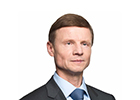
Aivar Sõerd
Profiling Eesti Reformierakonna fraktsioonAI Summary
Aivar Sõerd emphasized the importance of labor productivity as a crucial indicator of the country’s competitiveness and development plans, noting with concern that real productivity had declined between 2021 and 2023. He then inquired whether this negative downward trend had continued last year or if a change in the trend had taken place.
Aivar Sõerd
Profiling Eesti Reformierakonna fraktsioonAI Summary
Aivar Sõerd highlighted the drop in labor productivity—a key indicator of national competitiveness—in 2021, 2022, and 2023, and requested information on whether this concerning trend has persisted or if a reversal has taken place over the past year.
Maris Lauri
Profiling Eesti Reformierakonna fraktsioonAI Summary
Maris Lauri explained that although measuring productivity is complicated, its decline in Estonia in recent years is primarily due to behavioral factors, where entrepreneurs, facing a labor shortage, avoid extensive layoffs and reduce workloads. This indicates an expectation for the future and the hope that productivity will also improve as the economy grows, provided that the necessary investments are made and the structure of production is changed.
Maris Lauri
Profiling Eesti Reformierakonna fraktsioonAI Summary
Maris Lauri explains that while productivity is crucial, its decline in Estonia in recent years has often stemmed from behavioral factors. Specifically, due to labor shortages, business owners are avoiding layoffs and reducing workloads. This suggests a focus on future optimism and proactive planning. However, achieving sustained productivity growth still requires investment and a thorough review of the production structure.
Esimees Lauri Hussar
AI Summary
Chairman Lauri Hussar thanked the previous presenter, declared the question-and-answer period closed, and invited the next speaker, Minister of Economic Affairs and Industry Erkki Keldo, to the Riigikogu rostrum, clarifying both the length of the presentation and the rules for submitting questions.
Esimees Lauri Hussar
AI Summary
Speaker Lauri Hussar concluded the question-and-answer period for the previous presentation and invited Minister of Economic Affairs and Industry Erkki Keldo to the Riigikogu podium, simultaneously announcing the duration of his address and the rules for posing questions (up to two questions per member).
Majandus- ja tööstusminister Erkki Keldo
AI Summary
Minister of Economic Affairs and Industry Erkki Keldo expresses optimism regarding the recovery of the Estonian economy and its future rapid growth, emphasizing that the foundation for success rests on security (large defense expenditures), a knowledge-based economy, robust investment in research and development, and ambitious export expansion. To support these goals, the government is creating a more business-friendly and competitive environment by accelerating investments and reforming the labor market, while simultaneously calling for the abandonment of the pessimistic "don't build anything" mentality.
Majandus- ja tööstusminister Erkki Keldo
AI Summary
Minister of Economic Affairs and Industry Erkki Keldo expresses firm optimism regarding the recovery and future prospects of the Estonian economy, emphasizing that the foundation for success is strong security (defense spending at 5% of GDP) and a strategic focus on a knowledge-based, high value-added economy. The main growth engines for this economy are supporting exports, investing in research and development, and improving the business environment to encourage large-scale investments and flexibility. He also calls upon society to abandon the pessimistic "don't build anything" mentality.
Esimees Lauri Hussar
AI Summary
Chairman Lauri Hussar thanked the respected minister, noting that he still had questions, and subsequently gave the floor to Valdo Randpere.
Valdo Randpere
Profiling Eesti Reformierakonna fraktsioonAI Summary
Valdo Randpere began by praising the presenter for reforming labor legislation and highlighting positive international recognition for Estonia as Europe's friendliest country, but concluded with a question about the current status of the Tallinn-Helsinki tunnel project, inquiring whether it has quietly progressed or completely stalled.
Valdo Randpere
Profiling Eesti Reformierakonna fraktsioonAI Summary
Valdo Randpere began by praising the presenter for their work in advancing labor legislation and noting Estonia’s recognition as the friendliest country in Europe. However, he then shifted his focus to the status of the Helsinki-Tallinn tunnel project (Talsinki), asking whether this economically vital undertaking has completely stalled or if development is quietly progressing.
Majandus- ja tööstusminister Erkki Keldo
AI Summary
Minister of Economic Affairs and Industry Erkki Keldo stresses the Estonian economy’s heavy reliance on the performance of its main export partners, Finland and Sweden. He notes that revitalizing the neighbors’ economies and supporting investments is crucial, even though Peter Vesterbacka’s vision remains purely conceptual. Furthermore, he confirms that during these challenging times, a comprehensive analysis and reform of labor law is underway to make the legislation more efficient and flexible, while simultaneously protecting vulnerable groups. Finally, he suggests that the friendly attitude Estonians show towards tourists should also be adopted in their interactions with one another.
Majandus- ja tööstusminister Erkki Keldo
AI Summary
Minister of Economic Affairs and Industry Erkki Keldo emphasizes that the Estonian economy is vitally dependent on the well-being of Finland and Sweden, which is why it is crucial to support our neighbours in strengthening their competitiveness and investments, confirming meetings with Finnish investors. Furthermore, he deems it necessary to highlight the friendliness of Estonians towards tourists and to continue with labour law reforms in order to make the legislation more flexible and effective during difficult times, while simultaneously protecting the vulnerable.
Esimees Lauri Hussar
AI Summary
Chairman Lauri Hussar, Mario Kadastik was called to the lectern to deliver his presentation.

Mario Kadastik
Profiling Fraktsiooni mittekuuluvad Riigikogu liikmedAI Summary
Mario Kadastik pointed out that although Estonia is at the forefront in Europe when it comes to public sector R&D investment, the overall level of R&D and labor productivity is lagging behind the average due to slow growth in the private sector. He then asked the minister responsible for the industry portfolio what additional steps need to be taken to increase inter-ministerial cooperation and set priorities for improving the R&D level.
Mario Kadastik
Profiling Fraktsiooni mittekuuluvad Riigikogu liikmedAI Summary
Mario Kadastik acknowledged the contribution of the public sector's research and development activities, but drew attention to the fact that due to the low participation of the private sector, Estonia remains below the European average overall, which is likely also related to low labor productivity, and asked the minister how to improve cooperation and priority setting between the Ministry of Education and Research and the industry to improve the situation.
Majandus- ja tööstusminister Erkki Keldo
AI Summary
Minister of Economic Affairs and Industry Erkki Keldo emphasizes that economic prosperity and innovation depend on better linking the real-world applicability of basic science and entrepreneurship, for which the Ministry of Education and Research and the Ministry of Economic Affairs are cooperating more closely. The speaker highlights Estonia's exceptional success in international scientific organizations like CERN and ESA, noting that Estonian entrepreneurs are so capable that the state's contribution returns to the economy many times over (e.g., three times more from ESA). He stresses that prosperity can only stem from science, exports, and European-level debates, not from the redistribution of taxes.
Majandus- ja tööstusminister Erkki Keldo
AI Summary
Minister of Economic Affairs and Industry Erkki Keldo stressed that the prosperity of the Estonian economy must stem from a tighter integration of science and business, alongside exports. He pointed to Estonia's exemplary success in its membership of CERN and the European Space Agency (ESA), noting that government investments in these areas yield manifold returns for the economy, whereas taxes serve only as a tool for redistribution, not for wealth creation.
Esimees Lauri Hussar
AI Summary
Chairman Lauri Hussar invited Margit Sutrop to the podium so that she could begin her presentation.
Margit Sutrop
Profiling Eesti Reformierakonna fraktsioonAI Summary
Margit Sutrop, referencing the artificial intelligence conference and the low AI adoption rate among American companies, asks the minister what specific measures the state could implement to support Estonian entrepreneurs in the wider deployment of AI, in order to alleviate labor shortages and rising costs, while emphasizing the need for closer cooperation between researchers, education, and the business sector.
Margit Sutrop
Profiling Eesti Reformierakonna fraktsioonAI Summary
Margit Sutrop welcomes the minister's positive attitude toward research and development but draws attention to the need to accelerate the adoption of artificial intelligence in Estonian companies to alleviate labor shortages and rising costs, asking the minister for concrete measures to promote cooperation among researchers, educational institutions, and entrepreneurs.
Majandus- ja tööstusminister Erkki Keldo
AI Summary
Minister of Economic Affairs and Industry Erkki Keldo highlighted the rapid uptake of artificial intelligence by Estonian companies (a jump from 5% to 14%), noting that while fast, it still lags behind Benelux and Scandinavian countries, thus emphasizing the significant room for development. The Ministry of Economic Affairs is offering risk-mitigating innovation measures to encourage businesses to start utilizing AI. He also stressed the importance of a national strategy, which involves cross-ministerial cooperation, teaching AI in high schools, and the future creation of a chip technology competence center, all aimed at boosting Estonia's risk appetite and overall competence.
Majandus- ja tööstusminister Erkki Keldo
AI Summary
Minister of Economic Affairs and Industry Erkki Keldo pointed out the rapid uptake of artificial intelligence in Estonian businesses, noting that adoption has jumped from 5% to 14% within a year, though there is still room for growth compared to the Benelux and Nordic countries. To encourage entrepreneurs, the Ministry of Economic Affairs offers innovation measures designed to mitigate risk. The national AI strategy, spearheaded by the Minister of Justice and Digital Affairs in close collaboration with other ministries, focuses on both education (for example, the gymnasium program) and future infrastructure, such as establishing a chip competence center, to guarantee the necessary expertise and risk tolerance when developing new technologies.
Esimees Lauri Hussar
AI Summary
Chairman Lauri Hussar and Diana Ingerainen were invited to speak, but the content of her presentation has not been provided.

Diana Ingerainen
Profiling Fraktsiooni mittekuuluvad Riigikogu liikmedAI Summary
Diana Ingerainen is expressing concern about the development of e-Estonia, noting that the state has become more rigid and insular. She points out that the government now prefers undertaking massive, slow-moving projects itself (such as the Health Insurance Fund and TEHIK) rather than collaborating with the private sector—a method that was significantly more successful 20 years ago when e-services were first being created. She asks why cooperation with the private sector has diminished and whether the state has the capacity to reverse this trend.
Diana Ingerainen
Profiling Fraktsiooni mittekuuluvad Riigikogu liikmedAI Summary
Diana Ingerainen expresses concern about the rigidity of e-Estonia developments, highlighting that while 20 years ago development was carried out in flexible cooperation with the private sector (for example, the e-family doctor center), the state is now attempting to manage large and slow projects itself (such as the Health Insurance Fund [Tervisekassa] and TEHIK). She therefore asks why private sector involvement has decreased and whether the state could become more flexible in this regard.
Majandus- ja tööstusminister Erkki Keldo
AI Summary
Minister of Economic Affairs and Industry Erkki Keldo admits that the state has become somewhat complacent in its bureaucracy, and emphasizes the urgent need to restore trust in the private sector by involving it as a partner in finding more innovative and cost-effective solutions in education, healthcare, and public procurement. This should be done, for example, by utilizing innovation procurements to improve system efficiency and service quality in a small country with limited resources.
Majandus- ja tööstusminister Erkki Keldo
AI Summary
Minister of Economic Affairs and Industry Erkki Keldo concedes that while it is difficult to pinpoint a specific culprit, the state must return to fundamentals due to limited resources and intensify cooperation with the private sector, involving them through innovation procurements and partnerships in the development of education, healthcare, and technologies, in order to ensure greater efficiency and cost-effectiveness of services.
Esimees Lauri Hussar
AI Summary
Chairman Lauri Hussar called upon Toomas Järveoja to speak, thereby giving him the floor to begin his presentation.
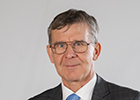
Toomas Järveoja
Profiling Eesti Reformierakonna fraktsioonAI Summary
Toomas Järveoja highlights the serious labor shortage faced by Elva's major employers (such as Saint-Gobain and Enics/GPV), a situation that compels them to bring in workers from Latvia and Southern Estonia. He also inquires about the government's plans for improving public transport and the availability of labor.
Toomas Järveoja
Profiling Eesti Reformierakonna fraktsioonAI Summary
Toomas Järveoja highlighted the critical labor shortage faced by Elva’s large manufacturing companies, a situation so severe that workers are now being imported even from Northern Latvia. He subsequently called on the state for solutions regarding the organization of the workforce and public transportation.
Majandus- ja tööstusminister Erkki Keldo
AI Summary
Minister of Economic Affairs and Industry Erkki Keldo highlighted the shortage of qualified labor as the primary bottleneck for economic growth, stressing that in the short term, supplementary training and retraining must be channeled through the Unemployment Insurance Fund (Töötukassa) to align with the real needs of the economy. The long-term solution, however, involves reforming vocational education, enhancing its reputation, and more proactively encouraging young people to acquire professional skills, alongside allowing the strictly regulated recruitment of foreign labor where necessary.
Majandus- ja tööstusminister Erkki Keldo
AI Summary
Minister of Economic Affairs and Industry Erkki Keldo addressed the skilled labor shortage as the main bottleneck for economic growth. He stressed that instead of short-term fixes (such as the limited recruitment of foreign labor), the focus must shift to long-term measures. These measures include targeting the training provided by the Unemployment Insurance Fund according to the economy's specific needs, advancing vocational education reform to enhance worker adaptability, and boosting the prestige of vocational training so that more young people acquire the skills and professions necessary for the future.
Esimees Lauri Hussar
AI Summary
Chairman Lauri Hussar gave the floor to Õnne Pillak.

Õnne Pillak
Profiling Eesti Reformierakonna fraktsioonAI Summary
Õnne Pillak thanked the minister for the overview but asked him to immediately outline three specific steps that would ensure the minister's ambitious vision of Estonia as Europe's fastest-growing economy would not remain just empty rhetoric.
Õnne Pillak
Profiling Eesti Reformierakonna fraktsioonAI Summary
Õnne Pillak commended the minister’s ambitious vision of Estonia as Europe’s fastest-growing economy, but demanded immediate and concrete three-step measures to ensure that this goal does not remain mere rhetoric.
Majandus- ja tööstusminister Erkki Keldo
AI Summary
Minister of Economic Affairs and Industry Erkki Keldo stressed that economic growth in Estonia relies on three main pillars: a stable and lower tax environment, which puts more money into the hands of businesses and people; stronger exports and the opening of new markets, which is essential for an economy with a small domestic market; and investing in research and development to cultivate a smarter, higher value-added workforce.
Majandus- ja tööstusminister Erkki Keldo
AI Summary
Minister of Economic Affairs and Industry Erkki Keldo explained that economic growth does not depend solely on taxation; rather, it rests on three main pillars: a stable tax environment with lower labor taxes, strengthening exports through the opening of new markets, and increasing the volume of research and development (R&D) to ensure a smarter workforce and higher added value.
Esimees Lauri Hussar
AI Summary
Chairman Lauri Hussar gave the floor to the renowned ski star Kristina Šmigun-Vähi, inviting her up to the podium to deliver her presentation.

Kristina Šmigun-Vähi
Profiling Eesti Reformierakonna fraktsioonAI Summary
Kristina Šmigun-Vähi is addressing the minister to find out which economic sectors offer the greatest potential for success for young Estonians in the near future, and what government measures are being implemented to support those fields.
Kristina Šmigun-Vähi
Profiling Eesti Reformierakonna fraktsioonAI Summary
Kristina Šmigun-Vähi is asking the minister to specify which economic sectors offer the greatest potential for young Estonians to succeed in the labor market in the near future, and which national measures are being implemented to support those fields.
Majandus- ja tööstusminister Erkki Keldo
AI Summary
Minister of Economic Affairs and Industry Erkki Keldo emphasizes that the key to Estonia's future labor market and economic growth lies in linking the country's strong IT competence with smart industry and deep technology, especially in the defense industry, as this enables the creation of high value-added products, compensating for Estonia's inability to compete in mass production.
Majandus- ja tööstusminister Erkki Keldo
AI Summary
Minister of Economic Affairs and Industry Erkki Keldo notes that while forecasting the future labor market is complicated, he sees the key to the Estonian economy and industry as linking IT competence with smart industry and deep technology, especially in the defense industry and in the creation of high value-added products. He emphasizes that Estonia's strength lies in smart people, not in mass production.
Esimees Lauri Hussar
AI Summary
Chairman Lauri Hussar concluded the discussion with the minister, thanking him for his presentation and answers, and then invited Allan Martinson, the president of the Estonian Founders Society, to the Riigikogu podium. Hussar specified the time limits for Martinson’s presentation and the subsequent question-and-answer round (up to 20 minutes for each).
Esimees Lauri Hussar
AI Summary
Chairman Lauri Hussar concluded the round of questions, thanking the respected Minister and noting that due to the time constraint, it is no longer possible to submit further questions.
Majandus- ja tööstusminister Erkki Keldo
AI Summary
Minister of Economic Affairs and Industry Erkki Keldo confined himself to just one word, using it to briefly and emotionally convey his deep regret or disappointment regarding the current situation.
Esimees Lauri Hussar
AI Summary
Chairman Lauri Hussar thanked the previous speaker and handed the floor over to Allan Martinson, President of the Estonian Founders' Society, clarifying that the duration for both the presentation and the subsequent Q&A round would be up to 20 minutes.
EAS-i president Allan Martinson
AI Summary
Allan Martinson, who serves as the President of EAS and the President of the Estonian Founders Society, introduces the technology sector as a rapidly growing industry with global ambition. Twenty years after the sale of Skype, this sector has grown into one of the key drivers of the Estonian economy, contributing 4.5% to the GDP, employing 17,000 people, and paying the state over half a billion euros in taxes annually, thereby laying to rest earlier doubts about the sector’s viability.
EAS-i president Allan Martinson
AI Summary
Allan Martinson, President of the Estonian Founders Society (and also referred to as EAS President), described the startup sector as the main engine of the Estonian economy. It currently contributes 4.5% of GDP and has reached its best historical state, despite the fact that the founding and financing of new companies have normalized compared to the peak of 2021. Future growth, however, must shift away from extensive methods (bringing in more employees and capital) and instead rely on an intensive leap in productivity. The primary drivers for this leap are the widespread application of artificial intelligence and the development of unique niches, such as defense technology.
Esimees Lauri Hussar
AI Summary
Chairman Lauri Hussar reacts with a brief exclamation, announcing that the clock has fallen.
EAS-i president Allan Martinson
AI Summary
EAS President Allan Martinson analyzes the strong growth of the Estonian startup sector (with a turnover of 5.5 billion euros), which is based on a combination of founders, talent, capital, and markets. However, he notes that the creation of new companies and capital raising have significantly slowed down compared to the peak period. Since the extensive growth model is reaching its limits, future growth must focus on intensive productivity increases, especially through the implementation of artificial intelligence (AI), and by utilizing unique niches, such as rapidly developing defense technology.
Esimees Lauri Hussar
AI Summary
Chairman Lauri Hussar asked the esteemed presenter to pause briefly to check if he required additional time due to the approaching time limit.
Esimees Lauri Hussar
AI Summary
Chairman Lauri Hussar interrupted the esteemed speaker, noting that the allotted time was about to expire, and asked him directly if he wished to have extra time to continue his presentation.
EAS-i president Allan Martinson
AI Summary
The president of EAS, Allan Martinson, requested an additional minute and a half of time for his speech.
Esimees Lauri Hussar
AI Summary
Chairman Lauri Hussar made a short and specific request, asking for an extra minute and a half to continue his presentation or address.
Esimees Lauri Hussar
AI Summary
Chairman Lauri Hussar made a brief request, asking for an extra minute and a half to conclude his presentation.
EAS-i president Allan Martinson
AI Summary
EAS President Allan Martinson stresses that close cooperation between the state and businesses is critical for developing the Estonian defense industry, adding that the Defense Forces must view themselves as active participants in the product development process, rather than merely purchasers, in order to achieve ambitious economic growth targets, which are predicated on a stable tax and economic environment.
EAS-i president Allan Martinson
AI Summary
EAS President Allan Martinson emphasizes that developing the local defense industry—which, unlike the rest of the technology sector, has only one client, the state—requires close and deeply integrated cooperation between government agencies and the private sector. Furthermore, the Defense Forces must be an active part of the product development process, not merely a purchaser. Additionally, the technology sector's ambition is to contribute 30% of GDP by 2033, but achieving this goal requires, according to entrepreneurs, a stable economic environment and tax certainty.
Esimees Lauri Hussar
AI Summary
Chairman Lauri Hussar politely thanked the previous speaker, announced the start of the Q&A session, and then gave the floor to Urve Tiidus.

Urve Tiidus
Profiling Eesti Reformierakonna fraktsioonAI Summary
Urve Tiidus asked the presenter in which sector the projected creation of 300 new startups annually should materialize, noting that financial and payment services currently dominate the rankings, and suggesting the education sector as an alternative area for growth.
Urve Tiidus
Profiling Eesti Reformierakonna fraktsioonAI Summary
Urve Tiidus asks the presenter to specify the sectors where, according to the forecast, 300 new startups should be established in Estonia annually, noting that financial services dominate the European charts, and specifically inquires about the development potential within the education sector.
EAS-i president Allan Martinson
AI Summary
EAS President Allan Martinson highlighted the diversity of the Estonian startup scene. While business software certainly dominates, he stressed that the sector's development is organic, meaning the state cannot steer it, but must instead create a favorable environment. However, educational technology (edutech) requires separate support. This is commercially challenging because the primary buyers are state institutions, but it is simultaneously a field driven by a strong sense of mission, particularly when creating Estonian-language or exportable software.
EAS-i president Allan Martinson
AI Summary
EAS President Allan Martinson highlights the diversity of the Estonian startup ecosystem. While business software constitutes the largest sector, he notes that no single field dominates. Martinson believes the state cannot predict future trends but must instead focus on creating a favorable environment. However, he argues that the educational technology (edutech) sector requires specific, separate support. This is because edutech is commercially challenging but fundamentally mission-driven, particularly when developing software in the Estonian language or creating exportable products.
Esimees Lauri Hussar
AI Summary
Chairman Lauri Hussar gave the floor to Urmas Kruuse, inviting him to the podium.

Urmas Kruuse
Profiling Eesti Reformierakonna fraktsioonAI Summary
Urmas Kruuse highlighted the unique nature of Estonia’s e-state as the basis for development, but he centered his attention on questions concerning the lack of risk appetite among new generations and the potential for the Estonian defense industry to generate added value through innovation and R&D, with technological solutions that could also be transferred to everyday civilian life.
Urmas Kruuse
Profiling Eesti Reformierakonna fraktsioonAI Summary
Urmas Kruuse acknowledges the uniqueness and innovativeness of the Estonian e-state, but raises the question of the alleged lack of risk appetite among new generations, which is causing concern among entrepreneurs regarding continuity. He also explores the potential of the defense industry to create added value through innovation and development—a benefit that, historically, could eventually transition into civilian life.
EAS-i president Allan Martinson
AI Summary
EAS President Allan Martinson emphasized that while the e-state provides a strong foundation for the technology sector, innovation is primarily driven forward by young, risk-tolerant entrepreneurs. He noted that a particularly powerful impetus has come from the paradigm shift in defense technology caused by the war in Ukraine, where drones have become the dominant force, fostering bottom-up startup growth and transferring that innovation into the civilian economy as well.
EAS-i president Allan Martinson
AI Summary
EAS President Allan Martinson pointed out that the favorable environment created by the Estonian e-state and e-residency supports the emergence of new, risk-taking young entrepreneurs who are creating new success stories. He also stressed that the war in Ukraine has triggered groundbreaking, bottom-up innovation in defense technology, particularly in the drone sector, leading to an explosive increase in production, and the results of this enormous developmental leap achieved during wartime will carry over into the peacetime economy.
EAS-i president Allan Martinson
AI Summary
EAS President Allan Martinson believes that while the e-state provides a favorable environment for the technology sector, Estonia's success is primarily driven by young, risk-taking entrepreneurs and the groundbreaking innovation in the defense industry spurred by the war in Ukraine, particularly in the field of drones. This innovation is creating enormous momentum for grassroots development, and its positive impact will eventually spill over into the civilian economy.
Esimees Lauri Hussar
AI Summary
Chairman Lauri Hussar invited Kristo Enn Vaga to the podium, giving him the floor next.

Kristo Enn Vaga
Profiling Fraktsiooni mittekuuluvad Riigikogu liikmedAI Summary
Kristo Enn Vaga praised the speaker's position that the defense industry must be a broad-based national objective, not just a narrow topic concerning the Defence Forces. He then asked Martinson, as an entrepreneur in the field, to describe the current state of Estonian defense technology (including the use of R&D and data analytics) and to propose ways the state could further accelerate its development in Estonia through infrastructure, legislation, or political direction.
Kristo Enn Vaga
Profiling Fraktsiooni mittekuuluvad Riigikogu liikmedAI Summary
Kristo Enn Vaga agrees with Martinson that the development of the domestic defense industry must be a broad national objective. He asks the presenter to describe the sector's current status, particularly concerning the utilization of research and development (R&D) and data analytics. Furthermore, he inquires how the state could accelerate this development in Estonia through infrastructure improvements and political direction.
EAS-i president Allan Martinson
AI Summary
EAS President Allan Martinson emphasizes the wide spectrum of the Estonian defense industry, which spans everything from clothing to AI-based drones. He notes that the industry’s success crucially relies on specialists who have transitioned from the general technology sector. Although the workforce is limited, the development potential is significant. However, realizing this potential requires closer cooperation between the state and the industry, which is the reason behind the creation of the Defense Forces Innovation and Future Capability Command. The success of this new unit, however, depends on adequate staffing, funding, and a clear mandate to improve the currently negligible development budget and establish a streamlined testing environment for the rapid deployment of new technologies.
EAS-i president Allan Martinson
AI Summary
EAS President Allan Martinson provides a positive overview of the diversity of the Estonian defense industry, which spans everything from clothing to AI-based drones, and leverages experienced labor drawn from the general technology sector. He stresses the need for closer cooperation between the state and the industry, to foster which the Defense Forces Innovation and Future Capability Command has been established. However, for future development, it is crucial to increase the currently negligible budget allocated for development purchases and streamline the testing process for new technologies, such as robotic tanks, turning it into a smoother service, even though the overall attitude towards cooperation has significantly improved in recent years.
Esimees Lauri Hussar
AI Summary
Chairman Lauri Hussar and Mait Klaassen were invited to speak.
Mait Klaassen
Profiling Eesti Reformierakonna fraktsioonAI Summary
Mait Klaassen thanked the speaker for the eye-opening presentation and stressed that many new businesses require physical factories and modern facilities, but their construction is hampered by the prevalent "not in my backyard" (NIMBY) attitude. Consequently, he asked the Riigikogu how to communicate to the public the significance of these companies in securing taxes, employment, and future prosperity, and how to overcome this hurdle.
Mait Klaassen
Profiling Eesti Reformierakonna fraktsioonAI Summary
Mait Klaassen thanked the speaker for the eye-opening presentation and drew attention to the problem: the establishment of new enterprises requiring physical space is being hindered by the public's "not in my backyard" opposition. He is asking the Riigikogu (Parliament) for solutions on how to explain to people that these developments are actually the source of future well-being, taxes, and jobs.
EAS-i president Allan Martinson
AI Summary
EAS President Allan Martinson believes that solutions for controversial developments (such as defense industry parks) should not be imposed, but rather must arise through societal consensus. He emphasized the need for a more intensive dialogue, noting that greater public participation in the process leads to greater acceptance, and even proposed generating economic interest as a method of engagement.
EAS-i president Allan Martinson
AI Summary
EAS President Allan Martinson stresses that achieving a public consensus and engaging in more dialogue is essential for the acceptance of controversial developments (such as the Pärnu defense industry park), because the greater the participation and economic interest of local residents (for instance, through becoming a shareholder), the better they will embrace the project, thereby avoiding confrontation and litigation.
Aseesimees Arvo Aller
AI Summary
Deputy Chairman Arvo Aller gave the floor to Pipi-Liis Siemann, inviting her to speak.

Pipi-Liis Siemann
Profiling Fraktsiooni mittekuuluvad Riigikogu liikmedAI Summary
Pipi-Liis Siemann thanked the presenter for the presentation and stressed that in the public sector, where the focus is on efficiency and reducing bureaucracy, the number of officials has remained largely unreduced despite technological development. She therefore asks how artificial intelligence can be used to bring the public sector back to the forefront and what joint steps should be taken to achieve this.
Pipi-Liis Siemann
Profiling Fraktsiooni mittekuuluvad Riigikogu liikmedAI Summary
Pipi-Liis Siemann raises the question of how artificial intelligence can be used to reduce bureaucracy and state expenditures while boosting efficiency in the public sector. She notes that despite technological advancements, the number of officials managing these procedures remains high, and she explores the steps necessary to achieve a leading position in this domain.
EAS-i president Allan Martinson
AI Summary
Allan Martinson, the president of EAS and a startup entrepreneur himself, believes that while state processes cannot be simply bulldozed and restarted from scratch, they must be continuously disassembled piece by piece and optimized. This requires implementing best product management practices and automating a large portion of the steps and interactions with the state using artificial intelligence, thereby figuratively turning the country into a better software product.
EAS-i president Allan Martinson
AI Summary
EAS President Allan Martinson, fueled by the optimism of a startup entrepreneur, argues that while the state cannot be built from scratch, it is vital to continuously optimize and automate a large portion of government processes. He proposes treating the Estonian state figuratively as a software product to make citizens' interaction with the government significantly simpler and more effective, leveraging modern tools like artificial intelligence.
Aseesimees Arvo Aller
AI Summary
Vice-Chairman Arvo Aller yielded the floor to Kalev Stoicescu, inviting him to deliver his presentation.

Kalev Stoicescu
Profiling Fraktsiooni mittekuuluvad Riigikogu liikmedAI Summary
Kalev Stoicescu raises the issue of the strategic development of the Estonian defense industry, stressing the need to secure a major foreign investor, similar to what allied nations have done. He also questions whether Estonia has issued too many negative responses (referencing Rheinmetall and Nammo). He asks the presenter for their opinion on whether Estonia should be more flexible and create favorable conditions for investors, rather than imposing rigid criteria.
Kalev Stoicescu
Profiling Fraktsiooni mittekuuluvad Riigikogu liikmedAI Summary
Kalev Stoicescu asks the speaker whether the Estonian defense industry should be looking for and securing a major strategic investor, similar to what Latvia and Lithuania have done, and whether Estonia has perhaps issued too many negative responses (pointing specifically to Rheinmetall and Nammo). He stresses the necessity of being flexible and establishing favorable terms for investors, instead of adhering strictly to rigid criteria.
EAS-i president Allan Martinson
AI Summary
EAS president Allan Martinson analyzes the paradigm shift occurring in the defense industry, highlighting the stark contrast between slow and unreasonably expensive large defense companies (the "defense primes") and fast, innovative, and significantly cheaper startups. He emphasizes that the majority of genuinely effective innovation, particularly in the context of Ukraine, stems precisely from these startups, thereby calling into question the traditional reliance on large, bureaucratic suppliers.
EAS-i president Allan Martinson
AI Summary
EAS President Allan Martinson discusses the battle of paradigms in the defense industry, contrasting large, slow, and unreasonably expensive "defense primes" with small, fast, and innovative start-ups. He emphasizes that most real and functional innovation is born in garages, not large corporations, and asks whether it is sensible for Estonia to invest in expensive primes whose DNA inherently includes high cost and complexity.
Aseesimees Arvo Aller
AI Summary
Deputy Chairman Arvo Aller gave the floor to Kristina Šmigun-Vähi, inviting her to the podium or to make her presentation.
Kristina Šmigun-Vähi
Profiling Eesti Reformierakonna fraktsioonAI Summary
Kristina Šmigun-Vähi acknowledged the server's ideas and subsequently requested that they outline the three most crucial strategic decisions the server would implement if given complete freedom to shape Estonia's economic policy over the next decade.
Kristina Šmigun-Vähi
Profiling Eesti Reformierakonna fraktsioonAI Summary
Kristina Šmigun-Vähi praised the ideas put forward by the presenter, but asked him or her to specify what the three most critical decisions would be that he or she would implement if given complete free rein to shape Estonia's economic policy strategy for the next ten years.
EAS-i president Allan Martinson
AI Summary
EAS President Allan Martinson admitted the question posed was superb, but declined to answer it immediately to avoid inaccurate speculation. He promised, however, to thoroughly consider the matter and present the results publicly in the future.
EAS-i president Allan Martinson
AI Summary
EAS President Allan Martinson admitted that he had been asked an excellent but sensitive question, which he decided not to answer immediately. He explained that this was to avoid shooting from the hip or the premature disclosure of inappropriate details, promising instead to thoroughly consider the topic and release the answer publicly at a later date.
Aseesimees Arvo Aller
AI Summary
Deputy Chairman Arvo Aller gave the floor to Jüri Jaanson, inviting him to deliver his presentation.
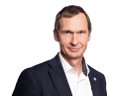
Jüri Jaanson
Profiling Eesti Reformierakonna fraktsioonAI Summary
Jüri Jaanson emphasized that the development of the technology sector is primarily hampered by a labor shortage, which acts as the main resource constraint, and asked how the Riigikogu could support the inclusion of people with reduced working capacity into this sector to increase productivity and ensure economic growth.
Jüri Jaanson
Profiling Eesti Reformierakonna fraktsioonAI Summary
Jüri Jaanson pointed out the primary bottleneck impeding the technology sector's development—namely, labor resources—and asked the speaker how the Riigikogu could help better integrate individuals with reduced work capacity, thereby boosting productivity and economic growth.
EAS-i president Allan Martinson
AI Summary
Allan Martinson, President of EAS, explained that while the labor force has remained stable, companies are focusing recruitment on specialists with strong technological backgrounds. He stressed that a disability is not a hindrance, provided it doesn't impede the application of one's skills. However, he also warned that due to increased efficiency and automation, many average and secure job roles (such as those in call centers) will inevitably vanish. This means that success in the future job market will belong to those capable of generating very high added value.
EAS-i president Allan Martinson
AI Summary
EAS President Allan Martinson stressed that although the number of employees has remained stable, the primary focus is on finding specialists with a strong technological background. This is because many roles, such as call center work, are being automated due to the unavoidable demand for efficiency. This means that the average secure job will disappear, and the future labor market will consist only of high added-value creators or those performing lower-chain tasks. Furthermore, disability is not a barrier, provided the skills are applicable.
Aseesimees Arvo Aller
AI Summary
Vice-Chairman Arvo Aller announced that the time for questions and answers was over, and thanked the presenter for the presentation.
Aseesimees Arvo Aller
AI Summary
Vice-Chairman Arvo Aller announced the conclusion of the Question and Answer period and thanked the presenter.
EAS-i president Allan Martinson
AI Summary
EAS President Allan Martinson concluded his speech with a brief closing note, once again expressing his gratitude and sending good wishes to the audience.
Aseesimees Arvo Aller
AI Summary
Deputy Chairman Arvo Aller introduced Liina Vahtra to the audience as today's fourth speaker. Ms. Vahtra is a board member of the Enterprise and Innovation Foundation and the head of Estonian e-Residency and foreign marketing, after which he gave her the floor.
Aseesimees Arvo Aller
AI Summary
Deputy Chairman Arvo Aller introduced and welcomed to the stage the day's fourth speaker, Liina Vahtras, who is a member of the management board of the Entrepreneurship and Innovation Foundation and heads up Estonia's e-Residency and foreign marketing sectors.
Aseesimees Arvo Aller
AI Summary
Deputy Chairman Arvo Aller introduced the fourth speaker, Liina Vahtra, a member of the management board of the Entrepreneurship and Innovation Foundation and the head of Estonian e-residency and foreign marketing, subsequently giving her the floor.
EIS-i juhatuse liige Liina Vahtras
AI Summary
Liina Vahtras, a member of the EIS board, highlighted the e-residency program as the Estonian digital state's greatest achievement, noting that over the past ten years it has generated significant revenue for the state (€370 million) and led to the creation of over 37,000 companies. Furthermore, she stressed the necessity of political support to implement a groundbreaking cardless solution based on biometric remote identification. This move would shorten the application time to just two months and secure Estonia's continued leadership position in the global competition for talent and capital.
EIS-i juhatuse liige Liina Vahtras
AI Summary
Liina Vahtras, a member of the EIS board, emphasized the significant economic impact of e-Residency—a unique achievement of the Estonian digital state—which has brought 370 million euros in direct revenue to the state treasury over ten years and led to the establishment of over 37,000 companies. She also presented a future vision, detailing plans to boost the program's competitiveness and accelerate the application process (from two months down to two weeks) by replacing the physical card with a fully digital solution based on biometric remote identification, thereby securing Estonia's position as a global digital state.
EIS-i juhatuse liige Liina Vahtras
AI Summary
EIS board member Liina Vahtras praises the e-Residency program as the calling card of Estonia’s digital state, noting that over ten years it has brought the country 370 million euros in direct revenue and created over 37,000 companies. She simultaneously stresses the need for political support to implement the next groundbreaking innovation—a fully digital, cardless solution based on biometric remote identification—which would shorten the application process from two months to two weeks, thereby ensuring Estonia’s continued competitiveness and economic growth.
Aseesimees Arvo Aller
AI Summary
Deputy Chairman Arvo Aller thanked [the speaker] for the precise use of time, noted that there were questions being posed to the speaker, and subsequently gave the floor to Urve Tiidus.
Urve Tiidus
Profiling Eesti Reformierakonna fraktsioonAI Summary
Urve Tiidus commended the excellent presentation, which emphasized the potential for borderless development of e-residency, but she immediately inquired whether Estonia also faced international competitors in this field from other countries.
Urve Tiidus
Profiling Eesti Reformierakonna fraktsioonAI Summary
Urve Tiidus commended the excellent presentation, which highlighted the unlimited potential of e-residency and suggested that the sky was the only limit for its development. However, she inquired whether Estonia faced competition from other countries in this sector.
Urve Tiidus
Profiling Eesti Reformierakonna fraktsioonAI Summary
Urve Tiidus commended the excellent presentation on e-residency, which suggested that development knows no limits, and immediately asked whether Estonia had competitors from other countries in this field.
EIS-i juhatuse liige Liina Vahtras
AI Summary
Liina Vahtras, a member of the EIS board, emphasizes that the uniqueness of the Estonian e-residency program lies not merely in offering a digital identity, but primarily in the availability of digitized state services, which is what makes the card truly usable. This is why the speed and simplicity of Estonia's business environment are compared instead with established business environments like Ireland, the United Kingdom, and Delaware.
EIS-i juhatuse liige Liina Vahtras
AI Summary
EIS board member Liina Vahtras emphasizes that Estonian e-residency is unique compared to similar programs in other countries, thanks to digitized state services that make the digital identity genuinely usable. This is why, when assessing success, the Estonian business environment is often compared to major business hubs like Ireland or Delaware, focusing specifically on the speed of company formation and the simplicity of management.
EIS-i juhatuse liige Liina Vahtras
AI Summary
EIS board member Liina Vahtras stresses that while other countries have also established e-residency programs, Estonia’s is unique due to its fully digitalized services. These services make the digital identity truly usable, enabling Estonia to compare itself favorably with business environments such as Ireland or Delaware, particularly concerning the speed and ease of company formation.
Aseesimees Arvo Aller
AI Summary
Deputy Speaker Arvo Aller called upon Pipi-Liis Siemann to speak next.
Pipi-Liis Siemann
Profiling Fraktsiooni mittekuuluvad Riigikogu liikmedAI Summary
Pipi-Liis Siemann is pleased about the significant growth potential of the e-residency program, but she raises concerns regarding the limits of processing capacity. She questions whether it is realistic to maintain the goal of completing the entire process within two to three weeks if the number of applications increases severalfold.
Pipi-Liis Siemann
Profiling Fraktsiooni mittekuuluvad Riigikogu liikmedAI Summary
Pipi-Liis Siemann recognizes the significant potential of the e-residency program but voices concerns regarding its scalability, asking whether the targeted two-to-three-week processing time could be maintained if the number of applications were to unexpectedly multiply, and where the system’s true capacity limit lies.
Pipi-Liis Siemann
Profiling Fraktsiooni mittekuuluvad Riigikogu liikmedAI Summary
Pipi-Liis Siemann recognizes the significant growth potential of the e-residency program but expresses concern about whether the promised two-to-three-week processing time can be maintained should the number of applications unexpectedly multiply. She requests clarification on the system's actual capacity limit for handling applications.
EIS-i juhatuse liige Liina Vahtras
AI Summary
EIS board member Liina Vahtras acknowledges that the volume of e-residency applications, which swelled unexpectedly due to marketing, has left the Police and Border Guard Board struggling with processing. Therefore, in addition to hiring new employees, there are plans to automate processes and use artificial intelligence to create a faster processing system for entrepreneurs who already have a functioning business and meet certain criteria, ensuring that these developments can keep pace with the growth curve.
EIS-i juhatuse liige Liina Vahtras
AI Summary
Liina Vahtras, a member of the EIS management board, acknowledges that the unexpectedly large surge in applications has created processing difficulties for the Police and Border Guard Board (PPA). While additional staff is being recruited, the primary solution within the new strategy is process automation and faster processing using artificial intelligence for established businesses, ensuring that development efforts can keep pace with the growth trajectory.
EIS-i juhatuse liige Liina Vahtras
AI Summary
Liina Vahtras, a member of the EIS management board, admits that due to the unexpected surge in applications, they have struggled with processing. While they are hiring more staff, the long-term strategy involves automating processes, for instance, by using artificial intelligence, to specifically speed up the review of applications from entrepreneurs who already have a functioning business and meet specific criteria.
Aseesimees Arvo Aller
AI Summary
Following a brief introduction, Deputy Chairman Arvo Aller gave the floor to Luisa Rõivas.

Luisa Rõivas
Profiling Fraktsiooni mittekuuluvad Riigikogu liikmedAI Summary
Luisa Rõivas expressed interest in the new cardless e-residency plan, asking what the projected growth in company formation is based on and how it will be measured in the future. She also emphasized the need to strengthen e-residents' connection with Estonian society, not just the economy, in order to ensure their more permanent presence and the feeling that they are investing in their own homeland.
Luisa Rõivas
Profiling Fraktsiooni mittekuuluvad Riigikogu liikmedAI Summary
Luisa Rõivas has expressed interest in the new, cardless e-residency concept, specifically asking on what basis the growth in company formation is being projected and how this will be measured in the future. She simultaneously emphasized the need to strengthen e-residents' connection with Estonian society so that their investments are more permanent and they feel a sense of belonging.
Luisa Rõivas
Profiling Fraktsiooni mittekuuluvad Riigikogu liikmedAI Summary
Luisa Rõivas sought clarification from the presenter of the new cardless e-residency plan regarding how they intend to measure the growth in company formation. She also stressed the necessity of finding ways to strengthen e-residents' ties with Estonian society, ensuring their investments are sustained and fostering a sense that they are investing in their own home country.
EIS-i juhatuse liige Liina Vahtras
AI Summary
Drawing on data, Liina Vahtras, a member of the EIS Management Board, explains that the overly lengthy e-residency application process inhibits the establishment of new companies. Consequently, a faster, card-free solution would result in up to 15% more new firms annually. She also stresses the program's vital role in developing the e-resident community to ensure their stronger integration into the Estonian business environment and foster mutual collaboration.
EIS-i juhatuse liige Liina Vahtras
AI Summary
Liina Vahtras, a member of the EIS board, explains that the lengthy e-residency application process hinders the realization of business ideas, which is why a card-free solution would, based on data, bring in up to 15% more new companies. She also stresses the importance of creating a community of e-residents and integrating them into the Estonian business environment.
EIS-i juhatuse liige Liina Vahtras
AI Summary
Liina Vahtras, a member of the EIS management board, emphasizes that the data-driven streamlining of the e-residency application process is critically important to prevent the loss of business ideas and to achieve up to 15% more new companies annually. Furthermore, active investment is being made in building the e-resident community and ensuring their closer integration with the Estonian business environment to foster mutual cooperation.
Aseesimees Arvo Aller
AI Summary
Vice-Chairman Arvo Aller yielded the floor to Kristina Šmigun-Vähi, inviting her to begin her address.
Kristina Šmigun-Vähi
Profiling Eesti Reformierakonna fraktsioonAI Summary
Kristina Šmigun-Vähi posed two questions to the presenter regarding e-residency, inquiring both about the motivation of e-residents (why they desire this status if they do not own a company) and about the strategies Estonia should implement to attract more entrepreneurs and investors.
Kristina Šmigun-Vähi
Profiling Eesti Reformierakonna fraktsioonAI Summary
Kristina Šmigun-Vähi posed two questions to the speaker. The first explored the motivation of e-residents who aren't required to own a company, and the second focused on Estonia's strategies for using the e-Residency program to attract more entrepreneurs and investors to the country.
Kristina Šmigun-Vähi
Profiling Eesti Reformierakonna fraktsioonAI Summary
Kristina Šmigun-Vähi posed two important questions to the presenter regarding the e-residency program, first inquiring about the main motivation of e-residents when they lack a mandatory business obligation, and secondly, what strategic steps Estonia should take to attract more entrepreneurs and investors to the program.
EIS-i juhatuse liige Liina Vahtras
AI Summary
Liina Vahtras, a board member of EIS, explains that e-residents fall into three equal groups: fans of Estonia, signatories for Estonian companies, and international entrepreneurs looking to avoid bureaucracy—and surprisingly, half of this last group comes from the European Union. She stresses that the program’s technological development has been stalled for 10 years and urges the swift implementation of the card-freedom legal amendment. This change is necessary so they can begin testing hypotheses on how to attract highly ambitious small businesses to Estonia, businesses that would create jobs locally and generate economic benefit for the country.
EIS-i juhatuse liige Liina Vahtras
AI Summary
Liina Vahtras, a member of the EIS board, highlighted that e-residency users fall into three categories: fans, signatories for Estonian companies, and entrepreneurs seeking to avoid bureaucracy, a significant portion of whom come from the European Union. For the program, after ten years of technological stagnation, to be able to start testing hypotheses and attracting high-growth potential companies to Estonia that would benefit the country, it is critically important to quickly implement the legal amendment enabling card-free solutions.
EIS-i juhatuse liige Liina Vahtras
AI Summary
Liina Vahtras, a member of the EIS board, categorized e-residents into three motivation groups—the curious, signatories for Estonian companies, and entrepreneurs seeking expansion within the European Union—noting that the latter group particularly values Estonia's low level of bureaucracy (even within the EU). She also stressed the urgent necessity of rapidly implementing the card-freedom legislative amendment so that the program, which has stood still for 10 years, can begin testing hypotheses and attracting ambitious growth companies to Estonia that would bring economic benefit to the state.
Aseesimees Arvo Aller
AI Summary
Deputy Chairman Arvo Aller, who was evidently presiding over the session, handed the floor over to Jaak Aab.
AI Summary
Jaak Aab acknowledged the presenter's work in mitigating security risks, but highlighted the concern among entrepreneurs that the support measures provided by the Entrepreneurship and Innovation Foundation are too fragmented and overly bureaucratic. He then asked whether EAS plans to consolidate these measures to make them larger in scope and more flexible, thereby reducing the complexity of the application process.
AI Summary
Jaak Aab praised the work of the Entrepreneurship and Innovation Foundation and expressed hope that security risks have been mitigated. However, he drew attention to the concern among entrepreneurs that the EU-funded support measures are too fragmented, small in scope, and excessively bureaucratic. He then asked whether the foundation plans to consolidate these measures and make them more flexible so that entrepreneurs are not deterred from applying by the fear of bureaucracy.
EIS-i juhatuse liige Liina Vahtras
AI Summary
Liina Vahtras, a member of the EIS management board, emphasized that a comprehensive review of EIS services and financial instruments is currently underway. The strategic objective of this review is to reduce measures with low impact and channel resources specifically toward those that help businesses achieve greater growth, export volume, research intensity, and productivity.
EIS-i juhatuse liige Liina Vahtras
AI Summary
Liina Vahtras, a member of the EIS management board, emphasized that although details are still lacking, a comprehensive review of the entire EIS service portfolio, including financial instruments, is currently underway, with the aim of reducing small-scale measures and focusing solely on those that offer the greatest impact to businesses in boosting growth, exports, research intensity, and productivity.
EIS-i juhatuse liige Liina Vahtras
AI Summary
EIS Board Member Liina Vahtras confirmed that a comprehensive review of EIS’s service portfolio and financial instruments is currently underway. The objective is to scale back smaller, less impactful measures and identify those highly effective solutions that will help businesses achieve stronger growth, increased exports, greater R&D intensity, and improved productivity.
Aseesimees Arvo Aller
AI Summary
Deputy Chairman Arvo Aller and Jüri Jaanson were called to the podium, but the substantive presentation remained unheard.
Jüri Jaanson
Profiling Eesti Reformierakonna fraktsioonAI Summary
Jüri Jaanson commended the presenter's effective sales work, but wanted to find out the real bottlenecks that were not addressed in the presentation, and asked for a more detailed description of what kind of flexible and attractive economic model or tax system would be most marketable to e-residents and foreign entrants, especially considering the Riigikogu's expectation of stability in a situation where the tax system is constantly being modified.
Jüri Jaanson
Profiling Eesti Reformierakonna fraktsioonAI Summary
Jüri Jaanson praised the presentation's selling skills, but deemed it overly optimistic because it proposed solutions to non-existent problems. He then asked ironically, considering the constant changes to the Estonian tax system, what exactly that flexible economic model was that could actually be marketed to e-residents and foreign investors.
Jüri Jaanson
Profiling Eesti Reformierakonna fraktsioonAI Summary
Jüri Jaanson commended the presentation as a good sales pitch, but pointed out that the problem areas had been left unaddressed, and asked the presenter to specify what a stable and flexible tax system or economic model should look like, which Estonia would be well-positioned to market to e-residents and foreign investors, taking into account the Riigikogu's expectations regarding changes to the tax system.
EIS-i juhatuse liige Liina Vahtras
AI Summary
Liina Vahtras, a member of the EIS board, conveyed a clear message from the e-residents: While they are prepared to contribute to Estonia’s security and accept tax rate increases if necessary, it is absolutely critical for them to maintain Estonia’s current tax system, which does not tax reinvested profits, as this is the foundation for the growth and competitiveness of their small and startup companies.
EIS-i juhatuse liige Liina Vahtras
AI Summary
Liina Vahtras, a board member of EIS, relayed the e-residents' stance: they are prepared to contribute to Estonia's security if needed and accept tax hikes. However, they strongly stress the need to maintain the current tax system, particularly the non-taxation of reinvested profits, which provides a crucial competitive edge for their small startups.
EIS-i juhatuse liige Liina Vahtras
AI Summary
Liina Vahtras, a member of the EIS board, stresses that e-residents are willing to contribute to national security and even accept tax hikes. However, for their small, startup companies, it is vital to maintain the current tax system, especially the tax exemption for reinvested profits, which they view as a significant competitive advantage for Estonia.
Aseesimees Arvo Aller
AI Summary
Vice-Chairman Arvo Aller invited Irja Lutsar to the podium to deliver her presentation, but the actual content of the speech was not included in the text.

Irja Lutsar
Profiling Eesti 200 fraktsioonAI Summary
Irja Lutsar echoes the sentiments of the previous speakers, but focuses on the question of why Estonia's e-residency program is unique globally. She seeks to find out what fundamental risks other countries see in connection with it, and what the members of the Riigikogu themselves should be particularly vigilant about in order to avoid potential threats.
Irja Lutsar
Profiling Eesti 200 fraktsioonAI Summary
Irja Lutsar, supporting the previous speakers, wonders why Estonia is the only country offering e-residency, and asks what fundamental risks other countries see in this program and what the members of the Riigikogu themselves should be particularly vigilant about.
Irja Lutsar
Profiling Eesti 200 fraktsioonAI Summary
Irja Lutsar echoes the sentiments of the previous speakers but raises the question of why e-residency has remained a project unique to Estonia. She seeks to know what fundamental risks the other nearly 200 countries see in it and what members of the Riigikogu should be particularly vigilant about.
EIS-i juhatuse liige Liina Vahtras
AI Summary
Liina Vahtras, a member of the EIS board, believes that Estonia’s digital state derives its unique competitive advantage from 100% digitized public services, which serve as a foundation for building private sector solutions. To ensure security, she proposes that all foreign entrepreneurs should be required to obtain e-residency. This would enable thorough background checks and supervision, while also establishing the necessary audit trail.
EIS-i juhatuse liige Liina Vahtras
AI Summary
Liina Vahtras, a member of the EIS board, emphasizes that Estonia's competitive edge stems from the complete digitalization of public services and unique IT systems that create the digital state layer. To ensure security and oversight, she further proposes that all foreign entrepreneurs operating in Estonia should undergo a thorough e-residency-based background check so that their activities leave a traceable footprint.
EIS-i juhatuse liige Liina Vahtras
AI Summary
EIS board member Liina Vahtras emphasizes that Estonia's competitive advantage in the field of e-residency stems entirely from fully digitized public services and the unique digital state infrastructure, but this advantage is temporary; to ensure security and oversight, she proposes that all foreign entrepreneurs operating in Estonia should be e-residents, thereby undergoing a thorough background check.
Aseesimees Arvo Aller
AI Summary
Vice-Chairman Arvo Aller concluded the round of questions and announced that, at the initiator’s request, a vote must be taken on the proposal to extend the session time, which stipulates that work will continue until the agenda item is exhausted, but no later than 14:00.
Aseesimees Arvo Aller
AI Summary
Deputy Speaker Arvo Aller concluded the round of questions and proposed that the members of the Riigikogu vote on extending the sitting time until the agenda item is exhausted, but no later than 14:00.
Aseesimees Arvo Aller
AI Summary
Vice-Chairman Arvo Aller announced the successful adoption of the proposal (with 15 votes in favor), extended the session until 2:00 PM, and subsequently opened the discussions for faction representatives, calling Õnne Pillak of the Estonian Reform Party to the podium first.
Aseesimees Arvo Aller
AI Summary
Deputy Speaker Arvo Aller announced to the members of the Riigikogu the adoption of the proposal with 15 votes in favor and the extension of the sitting until 2 PM, and then opened the floor for discussions among the representatives of the factions, calling Õnne Pillak of the Estonian Reform Party to the rostrum first.
Õnne Pillak
Profiling Eesti Reformierakonna fraktsioonAI Summary
Õnne Pillak expressed strong optimism about the future of the Estonian economy, stressing that the country is moving toward rapid growth. This growth is underpinned by the government's fiscal policy, a reduction in the tax burden—which puts more money directly into people's hands—and strategic investments in national defense (raising spending to 5% of GDP) and research and development (R&D). These measures aim to create a business-friendly environment and guarantee security through close collaboration with the private sector.
Õnne Pillak
Profiling Eesti Reformierakonna fraktsioonAI Summary
Õnne Pillak expressed great optimism about the future of the Estonian economy, predicting rapid growth driven by the successful startup sector and e-residency, as well as the government's targeted policies. These policies include lowering the tax burden, reducing bureaucracy, maintaining investments in research and development (R&D), and ensuring national security by raising defense spending to at least 5% of GDP. She emphasized that mutual cooperation between the state and entrepreneurs is crucial for continuing Estonia's success story.
Õnne Pillak
Profiling Eesti Reformierakonna fraktsioonAI Summary
Õnne Pillak expressed great optimism regarding the future of the Estonian economy, confirming that the outlook is promising and optimistic. This outlook is supported by the government's fiscal policy, the lowering of the tax burden (including the abolition of the tax kink), investments in national defense (5% of GDP) and research and development, and close cooperation with entrepreneurs in creating a secure and competitive economic environment.
Aseesimees Arvo Aller
AI Summary
Deputy Chairman Arvo Aller requested three minutes of additional time on procedural grounds.
Õnne Pillak
Profiling Eesti Reformierakonna fraktsioonAI Summary
Õnne Pillak emphasized the necessity of revitalizing the Estonian economy, noting that while promoting qualified foreign labor might be difficult for the public to accept, it is essential for generating new skills and added value. She also called for reducing the bureaucracy associated with e-residency, while simultaneously highlighting the state’s significant infrastructure investments (including Rail Baltic and four-lane highways) and new support measures for major projects, all aimed at solidifying Estonia’s position as a business-friendly and attractive location for investment.
Õnne Pillak
Profiling Eesti Reformierakonna fraktsioonAI Summary
Õnne Pillak stressed that revitalizing the Estonian economy requires promoting the influx of skilled labor that generates added value and expanding the e-residency program, all while reducing associated bureaucracy. She pointed to the government’s concrete measures aimed at supporting the economy, including the establishment of a new support scheme for large-scale investments, the development of the defense industry, the launch of the largest four-lane highway construction program in the history of re-independent Estonia, and the continuation of the Rail Baltic project. She confirmed that these initiatives collectively send a positive message about Estonia as an investment-friendly business environment.
Õnne Pillak
Profiling Eesti Reformierakonna fraktsioonAI Summary
Õnne Pillak emphasized that, in order to revitalize the Estonian economy, it is essential to promote the import of skilled labor and the bureaucracy-free expansion of the e-residency program, as these bring added value and new ideas to the country. She also highlighted the state's extensive investment measures, such as the support scheme for large-scale investments, the development of the defense industry, and infrastructure projects (including Rail Baltic and four-lane highways), the aim of which is to send a positive signal about Estonia as an investment-friendly business environment.
Aseesimees Arvo Aller
AI Summary
Deputy Speaker Arvo Aller invited Jaak Aab to the rostrum to present the views of the Social Democratic Party faction.
AI Summary
Jaak Aab stresses that the main prerequisite for Estonian economic competitiveness and attracting investments is certainty, which is being hampered by the current security-political situation and inadequate communication. He criticizes the scare tactics employed by politicians and the dishonest communication surrounding the security tax, pointing to Lithuania's positive example of achieving consensus on national defense funding. He argues that Estonia should instead emphasize its strength and will to defend itself in order to create a positive environment for investments and public trust.
AI Summary
Jaak Aab stresses that the prerequisite for the Estonian economy's competitiveness and its ability to attract investments is stability, which is achieved through robust national defense and measured communication, thereby avoiding the excessive fear-mongering that erodes public trust. He suggests that, following Lithuania's example, businesses should support defense spending to establish a positive environment. However, he also warns that a large budget deficit threatens to necessitate even more painful tax hikes in the future.
Aseesimees Arvo Aller
AI Summary
Arvo Aller, the Deputy Chairman, confined himself to a brief procedural remark, requesting three additional minutes for the speaking time.
AI Summary
Jaak Aab stressed the strategic importance of spending on healthcare and health promotion, cautioning that cuts in this area would result in the loss of billions in the long run due to declining workforce health. To incentivize regional development, he suggested tying municipal revenue (derived from income tax on dividends) to job creation, utilizing a regional coefficient. Furthermore, he considered reform of the education system vital for directing more young people toward high-quality vocational training, based on the needs of the economy.
AI Summary
Jaak Aab warned that keeping healthcare costs under control while simultaneously increasing patient co-payments would backfire painfully in the long run, leading to losses reaching billions due to the deterioration of the workforce's health. To develop the regional economy, in addition to the major investment measure, local governments must be incentivized by linking a portion of corporate income tax to the jobs created (by applying a strong regional coefficient). Furthermore, the education system must be reformed, directing the majority of young people toward vocational education to ensure the economy has the necessary specialists.
Aseesimees Arvo Aller
AI Summary
Vice-Chairman Arvo Aller merely delivered a brief procedural announcement, signaling the start of the allotted time.
Aseesimees Arvo Aller
AI Summary
Vice-Chairman Arvo Aller thanked the previous speaker and subsequently gave the floor to Marek Reinaas, the representative of the Eesti 200 parliamentary group.

Marek Reinaas
Profiling Fraktsiooni mittekuuluvad Riigikogu liikmedAI Summary
Marek Reinaas praised the reform-minded economic policy of the new liberal government but emphasized that the Estonian economy faces serious structural problems. This is because profits rely too heavily on the local real estate market, and productivity remains significantly below the EU average. Therefore, it is crucial to focus on entrepreneurship, exports, and achieving a high-value development leap based on technology and innovation.
Marek Reinaas
Profiling Fraktsiooni mittekuuluvad Riigikogu liikmedAI Summary
Marek Reinaas praises the new liberal government's reform-minded economic policy, but stresses that the future of the Estonian economy hinges on entrepreneurship and requires a structural leap forward in development. This is because current profits are overly concentrated in real estate and banking, and productivity remains low (at 77% of the EU average). Consequently, the focus must shift away from the local market toward exports, particularly digital services, and investment must be directed into technology and innovation to foster an economy with higher added value.
Aseesimees Arvo Aller
AI Summary
Vice-Chairman Arvo Aller directly asked the audience if they wanted extra time.
Marek Reinaas
Profiling Fraktsiooni mittekuuluvad Riigikogu liikmedAI Summary
Marek Reinaas briefly but firmly confirmed his complete agreement with the foregoing statement.
Aseesimees Arvo Aller
AI Summary
Deputy Chairman Arvo Aller requested an additional three minutes.
Marek Reinaas
Profiling Fraktsiooni mittekuuluvad Riigikogu liikmedAI Summary
Marek Reinaas believes that Estonian entrepreneurs and politicians must abandon the mentality of avoiding loss and start focusing on winning, because Estonia holds an excellent position in the European Union's largest market—a position that should be capitalized on with an innovative mindset to ensure economic growth and national prosperity.
Marek Reinaas
Profiling Fraktsiooni mittekuuluvad Riigikogu liikmedAI Summary
Marek Reinaas emphasizes that for the successful kickstarting of the Estonian economy and achieving economic growth, entrepreneurs and politicians must abandon the loss-avoidance mentality and start winning. This requires capitalizing on Estonia's excellent position in the European Union market while being innovative and proactive, which will lead to both GDP growth and an improvement in people's well-being in the coming years.
Aseesimees Arvo Aller
AI Summary
Urmas Reinsalu, representing the Isamaa faction, requested additional speaking time, and Deputy Chairman Arvo Aller subsequently granted him three extra minutes.
Aseesimees Arvo Aller
AI Summary
Deputy Chairman Arvo Aller thanked [the assembly/the previous speaker] and subsequently granted Urmas Reinsalu, the representative of the Isamaa faction, three additional minutes of speaking time.
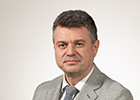
Urmas Reinsalu
Profiling Isamaa fraktsioonAI Summary
Urmas Reinsalu sharply criticizes the government's economic policy, accusing the coalition of avoiding debate and claiming that the "unique experiment" of recent years has shattered economic confidence among both consumers and entrepreneurs. He emphasizes that constant tax changes, inflationary economic growth, the longest economic stagnation in the European Union, and a negative net foreign investment position (unlike other Baltic states) demonstrate the government's incompetence, making rapid political change necessary to restore economic prosperity and optimism.
Urmas Reinsalu
Profiling Isamaa fraktsioonAI Summary
Urmas Reinsalu sharply criticizes the government's economic policy, asserting that the coalition's "unique experiment" (including constant tax hikes and changes) has shattered the confidence of entrepreneurs and consumers, led Estonia into the longest economic stagnation in EU history, lowered productivity, and created a negative net flow of foreign investments. Furthermore, he accuses the government of financial irresponsibility and chaos in energy policy, stating that a political change is essential for restoring economic optimism and prosperity.
Aseesimees Arvo Aller
AI Summary
Deputy Chairman Arvo Aller announced that, since no further requests to speak had been submitted, he was closing the debates, thereby declaring concluded both the discussion of the important national issue and the entire sitting.
Aseesimees Arvo Aller
AI Summary
Deputy Speaker Arvo Aller, noting the absence of requests to speak, announced the closure of the debate, thereby concluding both the discussion of the matter of national importance and the current sitting.