Rahvastikukriis
Istung: XV Riigikogu, VI istungjärk, infotund
Kuupäev: 2025-10-08 16:25
Osalevad Poliitikud:
Sõnavõtte kokku: 19
Koosseis: 15
Päevakorra kestus: 14m
AI kokkuvõtted: 19/19 Sõnavõtud (100.0%)
Analysis: Structured Analysis
Poliitikute Kõneaeg
Poliitikud
Analüüs
Kokkuvõte
Aruanne käsitleb Riigikogu liikme Varro Vooglaiu (küsimus nr 7) arupärimist peaminister Kristen Michalile rahvastikukriisi teemal. Vooglaid rõhutas rahvastikukriisi äärmist tõsidust, tuues esile summaarse sündimuskordaja languse 1.18-le ja sündide arvu kahanemise alla 9000 aastas (surmade arv on 16 000). Ta kritiseeris valitsust selle eest, et rahvastikukriisile ei pöörata ligilähedaseltki võrreldavat tähelepanu ja ressursse nagu julgeolekukriisile, märkides, et rahvastikukriis on eesti rahvuse, keele ja kultuuri säilimise seisukohast vähemalt sama oluline. Vooglaid tõi näiteks Kaitseministeeriumi haldusalasse suunatavad suured lisavahendid (845 miljonit) ning pakkus välja, et sarnaseid summasid tuleks kulutada laste vastuvõtmise tahte edendamiseks ja perekonnaõpetuse sisseviimiseks koolidesse.
Peaminister Michal tunnistas rahvastikukriisi tõsidust, märkides, et see on Euroopa-ülene probleem. Ta kaitses valitsuse tegevust, rõhutades, et Eesti perepoliitika on maailma tipus, eriti vanemahüvitiste süsteem, ning riigi panus lastele ja peredele on umbes 1 miljard eurot (2,2% SKP-st), mis on Euroopa kõrgeim näitaja. Michal viitas Sotsiaalministeeriumi värskele analüüsile ("Laste saamise ja kasvatamise toetamine: analüüs ja ettepanekud"), mis pakub laia valikut meetmeid (eluaseme kättesaadavus, töö- ja pereelu ühitamine) ning rõhutas, et sündimuse kasvu parim eeldus on rahulik ja lastesõbralik keskkond. Ta rõhutas ka liberaalset seisukohta, et inimesed teevad ise arukad valikud, vastandudes Vooglaiu konservatiivsele seisukohale, et valikuid peaks juhatama. Täpsustavates küsimustes kritiseeriti valitsuse varasemaid maksumuudatusi ja küsiti uute eesmärkide seadmise kohta, millele Michal vastas, et uued sammud põhinevad värskel analüüsil.
Tehtud otsused 1
Otsuseid ei tehtud
Aktiivseimkõneleja
Varro Vooglaid oli kõige aktiivsem kõneleja, esitades detailse ja kriitilise küsimuse ning täpsustuse rahvastikukriisi ja valitsuse prioriteetide kohta (parem).
Esimees Lauri Hussar
AI kokkuvõte
Esimees Lauri Hussar tutvustas päevakorra seitsmendat küsimust, mis on suunatud peaminister Kristen Michalile ja mille esitab Riigikogu liige Varro Vooglaid rahvastikukriisi teemal, ning andis Vooglaiule sõna.
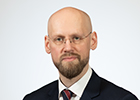
Varro Vooglaid
Profiileerimine Fraktsiooni mittekuuluvad Riigikogu liikmedAI kokkuvõte
Varro Vooglaid juhib tähelepanu asjaolule, et Eestit ähvardab tõsine rahvastikukriis, mida kinnitavad katastroofiliselt madalad sündimuse näitajad (langeb alla 9000 lapse aastas), ning kritiseerib teravalt valitsust selle eest, et too keskendub peaaegu eranditult julgeolekukriisile, jättes rahvastikuprobleemi, mis on eesti keele ja kultuuri säilimise seisukohast vähemalt sama oluline, poliitilises diskussioonis täiesti kõrvale.
Varro Vooglaid
Profiileerimine Fraktsiooni mittekuuluvad Riigikogu liikmedAI kokkuvõte
Varro Vooglaid tõstatab mure Eesti süveneva rahvastikukriisi pärast, tuues esile dramaatiliselt langenud sündimuskordaja (praegu 1,18) ja sündide arvu, mis on kukkunud alla 10 000 piiri, samal ajal kui surmade arv püsib kõrge. Ta kritiseerib teravalt valitsust, kes tegeleb igapäevaselt julgeolekukriisiga, kuid jätab rahvastikukriisi poliitilises diskussioonis täiesti tähelepanuta, küsides, kas valitsus teadvustab, et rahvastikukriis on eesti rahvuse, keele ja kultuuri säilimise seisukohast vähemalt sama oluline.
Peaminister Kristen Michal
AI kokkuvõte
Peaminister Kristen Michal rõhutab Reformierakonna püsivat pühendumust lastega perede kindlustundele, viidates maksukoormuse vähendamisele kui ühele toetusmeetmele, ning kaitseb Eesti perepoliitikat opositsiooni kriitika eest. Ta kinnitab, et rahvastikukriis on tõsine ja Euroopa-ülene probleem, kuid rõhutab, et pelgalt rahaliste meetmetega seda lahendada ei saa, pidades samas Eesti vanemahüvitiste süsteemi maailma parimate hulka kuuluvaks.
Peaminister Kristen Michal
AI kokkuvõte
Peaminister Kristen Michal kinnitab, et lastega perede kindlustunne ja hea käekäik on valitsusele prioriteet, kaitstes samal ajal poliitilisi samme (nagu maksukoormuse vähendamine) opositsiooni kriitika eest. Ta tunnistab rahvastikukriisi tõsidust, rõhutades, et see on Euroopa-ülene probleem, mida ei saa lahendada pelgalt rahaga, ning märgib, et Eesti perepoliitika, eriti vanemahüvitiste süsteem, kuulub maailma paremiku hulka.
Esimees Lauri Hussar
AI kokkuvõte
Esimees Lauri Hussar tänas eelnevat kõnelejat ja andis seejärel sõna Varro Vooglaiule täpsustava küsimuse esitamiseks.
Varro Vooglaid
Profiileerimine Fraktsiooni mittekuuluvad Riigikogu liikmedAI kokkuvõte
Varro Vooglaid kritiseerib valitsust selle eest, et rahvastikukriisile pööratakse ebaproportsionaalselt vähe tähelepanu võrreldes julgeolekukriisiga, tuues näiteks tohutud kaitsekulutused ja rahvastikuministri ametikoha puudumise. Ta heidab valitsusele ette varasemaid perepoliitilisi vigu, nagu automaksu kehtestamine ja maksuvabastuste kaotamine, ning nõuab, et riik suunaks laste vastuvõtmise tahte edendamiseks kaitsetahte edendamisega võrreldavaid summasid ning tooks koolidesse sisse perekonnaõpetuse, et näidata väärtuste võrdsust.
Varro Vooglaid
Profiileerimine Fraktsiooni mittekuuluvad Riigikogu liikmedAI kokkuvõte
Varro Vooglaid heidab valitsusele ette rahvastikukriisi ebaproportsionaalset alarahastamist ja tähelepanuta jätmist võrreldes julgeolekukriisile suunatud tohutute lisavahenditega, märkides, et praegused peretoetused on sageli vaid varasemate vigade parandamine (nt automaks), ning nõuab, et laste saamise tahte edendamiseks suunataks võrreldavaid summasid (nagu kaitsetahte edendamiseks) ja viidaks koolidesse sisse perekonnaõpetus.
Esimees Lauri Hussar
AI kokkuvõte
Esimees Lauri Hussar teatas kõneaja lõppemisest, tänas eelmist kõnelejat ning andis seejärel sõna üle peaministrile.
Esimees Lauri Hussar
AI kokkuvõte
Esimees Lauri Hussar juhatas sisse peaministri, andes talle sõna ja märkides, et tema kõneaeg on alanud.
Peaminister Kristen Michal
AI kokkuvõte
Peaminister Kristen Michal rõhutas, et kuigi Eesti on peretoetuste mahuga Euroopa tipus (2,2% SKP-st), on demograafia debatis oluline lähtuda noorte valikutest ja liberaalsest usust inimeste arukusse, märkides, et sündimuse kasvu parim eeldus on rahulik, lastesõbralik keskkond ja head riigipoolsed teenused, mitte pelgalt rahaline toetus.
Peaminister Kristen Michal
AI kokkuvõte
Peaminister Kristen Michal andis ülevaate Eesti demograafilistest trendidest ja peredele suunatud toetustest, mis moodustavad Euroopa tipus oleva 2,2% SKP-st (umbes 1 miljard eurot), rõhutades liberaalset seisukohta, et inimesed teevad ise tarku valikuid ning sündimuse kasvu soodustab kõige paremini rahulik, lastesõbralik keskkond ja kvaliteetsed riigiteenused, mitte hirmutamine või pelgalt rahaline toetus.
Esimees Lauri Hussar
AI kokkuvõte
Esimees Lauri Hussar tänas ja andis seejärel sõna Evelin Poolametsale lisaküsimuse esitamiseks.

Evelin Poolamets
Profiileerimine Fraktsiooni mittekuuluvad Riigikogu liikmedAI kokkuvõte
Evelin Poolamets heidab valitsusele ette perepoliitika tulemuste puudumist, rõhutades, et kuigi rahvastikukriisi numbreid tunnistatakse, on sündimus vaatamata toetuste jagamisele pidevalt kahanenud, ning nõuab vastust sellele, kas ja millised täiendavad meetmed ning uued eesmärgid on valitsus olukorra parandamiseks seadnud.
Evelin Poolamets
Profiileerimine Fraktsiooni mittekuuluvad Riigikogu liikmedAI kokkuvõte
Evelin Poolamets tõdeb, et kuigi valitsus tunnistab rahvastikukriisi numbreid, ei ole jagatud peretoetused andnud tulemusi, kuna laste sündimus on jätkuvalt kahanenud, mistõttu küsib ta valitsuselt, millised on uued eesmärgid ja täiendavad meetmed perepoliitika parandamiseks, millel on kriitiline roll ka julgeoleku tagamisel.
Peaminister Kristen Michal
AI kokkuvõte
Peaminister Kristen Michal lükkas ümber väited, nagu oleks ta ise varasemaid majandusprognoose valeks nimetanud, viidates Eesti Panga positiivsetele prognoosidele, ning selgitas, et perepoliitika tervikanalüüs telliti eesmärgiga luua teaduspõhine alus edasisteks sammudeks, mis suurendaksid perede kindlustunnet, pakkudes laia valikut meetmeid alates eluaseme toetamisest ja vanemahüvitiste laiendamisest kuni terviseküsimusteni, rõhutades, et perepoliitika ei taandu vaid toetustele ja et Eesti panustab peredesse juba praegu Euroopa riikidest enim.
Peaminister Kristen Michal
AI kokkuvõte
Peaminister Kristen Michal lükkab esmalt ümber väited, nagu oleks ta majandusprognoose valeks nimetanud, viidates hoopis Eesti Panga optimistlikule kasvuennustusele, ning rõhutab seejärel perepoliitika tervikanalüüsi olulisust, mis pakub laiapõhjalisi, teaduspõhiseid soovitusi – alates pensionivara kasutamisest kodulaenu sissemakseks kuni vaimse tervise ja asendusemaduseni – eesmärgiga suurendada perede kindlustunnet ja kõrvaldada takistused laste saamisel, märkides, et kuigi Eesti panustab peredesse juba Euroopa suurimal tasemel (2,2% SKP-st), on analüüs vajalik edasiste sammude arutamiseks.
Esimees Lauri Hussar
AI kokkuvõte
Esimees Lauri Hussar teatas lühidalt, et tänase istungi seitsmenda päevakorrapunkti käsitlemine on lõpetatud.
Esimees Lauri Hussar
AI kokkuvõte
Esimees Lauri Hussar tänas ja teatas, et tänase istungi seitsmenda päevakorrapunkti käsitlemine on lõppenud.