Mootorsõidukimaksu seaduse muutmise seaduse eelnõu (694 SE) esimene lugemine
Istung: XV Riigikogu, VI istungjärk, täiskogu istung
Kuupäev: 2025-10-06 18:35
Sõnavõtte kokku: 249
Koosseis: 15
Päevakorra kestus: 2h 5m
AI kokkuvõtted: 249/249 Sõnavõtud (100.0%)
Analysis: Structured Analysis
Poliitikute Kõneaeg
Poliitikud
Analüüs
Kokkuvõte
Tänane kolmas päevakorrapunkt oli Vabariigi Valitsuse algatatud mootorsõidukimaksu seaduse muutmise seaduse eelnõu 694 esimene lugemine. Rahandusminister Jürgen Ligi tutvustas eelnõu, mille peamine eesmärk on leevendada lastega perede maksukoormust, vähendades mootorsõidukimaksu kohustust iga lapse eest kuni 100 eurot aastas. See meede peaks vähendama maksulaekumist 16,3 miljoni euro võrra. Lisaks plaanitakse vähendada üle seitsme istekohaga M-kategooria sõidukite maksumäära, maksustades neid N-kategooria määraga, mis on oluliselt madalam ja puudutab suurperesid ning puuetega inimesi. Muudatused on kavandatud jõustuma 1. jaanuaril 2025.
Arutelu oli äärmiselt emotsionaalne ja keskendus suuresti automaksu kehtestamise poliitilisele taustale ja õiglusele. Opositsioon (Keskerakond, EKRE, Isamaa) kritiseeris maksu kui tervikut, nõudes selle tühistamist, viidates negatiivsele mõjule majandusele, regionaalsele ebavõrdsusele ja puuetega inimeste olukorrale. Minister Ligi kaitses maksu vajalikkust riigieelarve ja keskkonnaeesmärkide täitmiseks. Debatis tõstatusid ka tehnilised küsimused, näiteks see, kas juba makstud maks tagastatakse pangakontole või jääb ettemaksukontole. Rahanduskomisjoni esimees Annely Akkermann kinnitas, et komisjon teeb ettepaneku esimene lugemine lõpetada.
Tehtud otsused 2
Eelnõu 694 esimene lugemine lõpetati.
Muudatusettepanekute esitamise tähtajaks määrati 20. oktoober kell 17.15.
Aktiivseimkõneleja
Lauri Laats (Keskerakond) oli üks aktiivsemaid küsijaid ja esitas fraktsiooni nimel pika kõne, kritiseerides teravalt automaksu kehtestamist, selle mõju majandusele ja valitsuse suhtumist rahvasse. (muu)
Esimees Lauri Hussar
AI kokkuvõte
Esimees Lauri Hussar tutvustas päevakorra kolmanda punktina Vabariigi Valitsuse algatatud mootorsõidukimaksu seaduse muutmise eelnõu (694) esimest lugemist ning palus eelnõu tutvustama rahandusminister Jürgen Ligi.
Esimees Lauri Hussar
AI kokkuvõte
Esimees Lauri Hussar avas Riigikogu istungi kolmanda päevakorrapunkti, milleks oli valitsuse algatatud mootorsõidukimaksu seaduse muutmise eelnõu 694 SE esimene lugemine, ning palus eelnõud tutvustama rahandusminister Jürgen Ligi.
Rahandusminister Jürgen Ligi
AI kokkuvõte
Rahandusminister Jürgen Ligi tutvustas mootorsõidukimaksu seaduse muutmise eelnõu, mille peamine eesmärk on vähendada lastega perede maksukoormust, pakkudes alates 2025. aastast kuni 100-eurost maksusoodustust iga alla 19-aastase lapse eest, mis viib ligi 55 000 pere maksukohustuse nulli, ning lisaks langetatakse oluliselt suuremate, üle seitsme istekohaga pereautode ja väikebusside maksustamist, et toetada suurperesid ja puuetega inimesi.
Rahandusminister Jürgen Ligi
AI kokkuvõte
Rahandusminister Jürgen Ligi esitles mootorsõidukiseaduse muutmise eelnõu, millega vähendatakse alates 2025. aastast alaealiste laste vanemate mootorsõidukimaksu kohustust kuni 100 euro võrra aastas, leevendades oluliselt perede maksukoormust, ning lisaks alandatakse oluliselt ka suurte, üle seitsme istekohaga pereautode ja väikebusside maksustamist, mis toob kaasa maksulaekumise vähenemise 18 miljoni euro võrra.
Esimees Lauri Hussar
AI kokkuvõte
Esimees Lauri Hussar tänas lugupeetud ministrit, märkides, et talle on esitatud küsimusi, ning andis seejärel sõna järgmisele küsijale, Aivar Kokale.
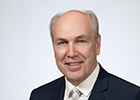
Aivar Kokk
Profiileerimine Isamaa fraktsioonAI kokkuvõte
Aivar Kokk kritiseeris eelnõu tutvustuses esinenud ebakõlasid, juhtides tähelepanu vastuoludele toetuse saamise vanusepiiri (kas 18 või 19) ja jõustumiskuupäeva osas ning rõhutas, et seletuskirja sõnastus piirab toetuse saamist vaid neile, kelle peres on vähemalt 18-aastane laps, viidates puudujääkidele eelnõu selguses ja täpsuses.
Aivar Kokk
Profiileerimine Isamaa fraktsioonAI kokkuvõte
Aivar Kokk kritiseerib eelnõu tutvustajat ebatäpsuste eest, nõudes selgitust, kas toetuse saamiseks peab laps olema 18- või 19-aastane ja millal muudatus täpselt jõustub, viidates seletuskirjale, kus on must valgel kirjas 18-aastane vanusepiir, mis on vastuolus suulise ettekandega.
Rahandusminister Jürgen Ligi
AI kokkuvõte
Rahandusminister Jürgen Ligi tunnistas oma puudulikku kursisolekut sotsiaalpoliitika piiridega, kuid kinnitas, et kontrollib paberitelt järele, kas eelnõu vanusepiiriks jäi 18 või 19 aastat, et veenduda esitatud mure põhjendatuses, mis puudutab just 19-aastaseks saamist.
Rahandusminister Jürgen Ligi
AI kokkuvõte
Rahandusminister Jürgen Ligi käsitles eelnõu kontekstis vanusepiiri (18 vs 19) küsimust, tunnistades, et sotsiaalpoliitika detailid ei ole talle täielikult teada, kuid lubas kontrollida nii esitatud mure põhjendatust kui ka seda, milline vanus lõpuks seadusesse kirja läks.
Esimees Lauri Hussar
AI kokkuvõte
Esimees Lauri Hussar, kes ilmselt täitis istungi juhataja rolli, kutsus kõnepulti järgmise esineja, Helmen Küti.

Helmen Kütt
Profiileerimine Sotsiaaldemokraatliku Erakonna fraktsioonAI kokkuvõte
Helmen Kütt märgib, et kuigi M- ja N-kategooria sõidukite massisoodustus leevendab osaliselt erivajadustega inimeste muresid, küsib ta ministrilt, kas eelnõu ettevalmistamisel kaaluti ka laiemat toetust neile, kellele praegused soodustused (nt laste puudumise tõttu) ei laiene, kuna abivajajad on oma murega otse pöördunud.
Helmen Kütt
Profiileerimine Sotsiaaldemokraatliku Erakonna fraktsioonAI kokkuvõte
Helmen Kütt märgib, et kuigi M- ja N-kategooria sõidukite massisoodustus leevendab osaliselt erivajadustega inimeste muresid, küsib ta ministrilt, kas eelnõu ettevalmistamisel kaaluti ka laiemalt teisi soodustusi, mis aitaksid kõiki abivajajaid, kuna praegused lahendused ei laiene neile, kellel puuduvad lapsed või bussid.
Rahandusminister Jürgen Ligi
AI kokkuvõte
Rahandusminister Jürgen Ligi selgitab, et vaatamata varasemale toetussummade kasvule puudega inimestele, on käimasolev maksuleevendus, mis antakse nüüd automargi järgi ja muudab oluliselt maksumäära, olnud pikalt arutelu teemaks.
Rahandusminister Jürgen Ligi
AI kokkuvõte
Rahandusminister Jürgen Ligi meenutab varasemaid pikki vaidlusi puudega inimeste toetuste üle, kinnitades, et eelnõu arutati põhjalikult ja kuigi eelarve maht kasvas, antakse nüüd lisaks maksuleevendust, mis sõltub automargist ja muudab oluliselt maksumäära.
Esimees Lauri Hussar
AI kokkuvõte
Esimees Lauri Hussar kutsus kõnepulti järgmise esineja, Mart Maastiku.

Mart Maastik
Profiileerimine Fraktsiooni mittekuuluvad Riigikogu liikmedAI kokkuvõte
Mart Maastik edastab murekirja perekonnalt, kes küsib, kas uue seaduse soodustuste saamiseks peavad nad registreerima vanemate nimel oleva auto ümber täiskasvanud laste nimele, et saada kasu alaealiste laste pealt, hoolimata kaasnevatest lisamaksudest ja registreerimistasust, ning uurib, kas on oodata erisusi, mis tagaksid kõigile võrdsed võimalused.
Mart Maastik
Profiileerimine Fraktsiooni mittekuuluvad Riigikogu liikmedAI kokkuvõte
Mart Maastik edastab mure mitme põlvkonna leibkonnast, kus auto on registreeritud vaid vanemate nimele, küsides ministrilt, kas uue seaduse järgi laienevad soodustused alaealise lapse olemasolul ka neile või peavad nad soodustuste saamiseks auto ümber registreerima täiskasvanud laste nimele, kandes seejuures täiendavaid makse ja registreerimismaksu.
Rahandusminister Jürgen Ligi
AI kokkuvõte
Rahandusminister Jürgen Ligi leiab, et maksude maksmine peaks olema auasi ning riik ei saa olla universaalne vastutulija, kuna tänapäeva keerulised perevormid (kärgpered, üksikvanemad jne) muudavad maksusoodustuste rakendamise keeruliseks, eriti seoses sellega, kuidas kindlaks teha, kes tegelikult laste eest hoolitseb, kuid riik teeb siiski parima, et lastega peredele maksukergendust pakkuda.
Rahandusminister Jürgen Ligi
AI kokkuvõte
Rahandusminister Jürgen Ligi rõhutab, et maksude maksmine on auasi ja maksumaksja valik, kuidas ta oma tegevust sätetele kohandab, tunnistades samas, et tänapäeva keeruliste perevormide (kärgpered, üksikvanemad) tõttu on riigil äärmiselt raske maksusoodustusi õiglaselt kohandada, kuigi püütakse lastega peredele parimat maksukergendust pakkuda.
Esimees Lauri Hussar
AI kokkuvõte
Esimees Lauri Hussar Helle-Moonika Helme kutsuti kõnelema, kuid tema sõnavõtu sisu pole antud teksti põhjal võimalik kokku võtta.

Helle-Moonika Helme
Profiileerimine Eesti Konservatiivse Rahvaerakonna fraktsioonAI kokkuvõte
Helle-Moonika Helme pärib ministrilt, kuidas lahendatakse tagasimaksed peredele, kelle maksukohustus käesoleval aastal eelnõu jõustumisel väheneb, küsides konkreetselt, kas juba tasutud raha (nt. 400 eurot neljalapselisel perel) makstakse neile tagasi või jätab riik selle tulevaste kohustuste katteks Maksuameti kontole seisma, rõhutades, et ka suuremad summad on peredele olulised.
Helle-Moonika Helme
Profiileerimine Eesti Konservatiivse Rahvaerakonna fraktsioonAI kokkuvõte
Helle-Moonika Helme soovib teada, kuidas rakendatakse peredele ettenähtud automaksu kohustuse vähendamist käesoleval aastal, eriti puudutab see küsimus, kas juba makstud summad (nt 400 eurot neljalapselisel perel) tagastatakse või jäävad need Maksuameti kontole tulevaste kohustuste katteks.
Rahandusminister Jürgen Ligi
AI kokkuvõte
Rahandusminister Jürgen Ligi selgitas, et kuigi ta on oma automaksud tasunud ja hing on rahul, on keerulised erijuhtumid ja küsimus juba makstud maksude tagastamisest tehniliselt keerukas, mistõttu lubas ta detailid üle kontrollida, ehkki pakub, et tagasimakse peaks toimuma maksuameti kaudu.
Rahandusminister Jürgen Ligi
AI kokkuvõte
Rahandusminister Jürgen Ligi selgitas, et kuigi ettemaksu võimalus on olemas ja tema enda automaksud on tasutud, tekitab keerulistes erijuhtumites küsimusi juba makstud maksude tagastamise mehhanism; ta pakkus, et tagasimakse peaks toimuma, kuid lubas selle tehnilise ja palju pusimist nõudva detaili eelnõust üle kontrollida, kuna ta ei ole seda veel kontrollida saanud.
Esimees Lauri Hussar
AI kokkuvõte
Esimees Lauri Hussar Lauri Laats paluti kõnepulti või tribüünile oma ettekannet alustama.

Lauri Laats
Profiileerimine Eesti Keskerakonna fraktsioonAI kokkuvõte
Lauri Laats kritiseerib automaksu ja registreerimistasu laiaulatuslikku negatiivset mõju majandusele, eriti automüüjatele, ning nõuab valitsuselt selget ülevaadet nii tegelikust laekumisest (võrreldes prognoositud 236 miljoniga) kui ka põhjalikku analüüsi selle kohta, kuidas uued maksud on mõjutanud ettevõtluskeskkonda, inimeste toimetulekut ja saamata jäänud maksutulu autoturu seiskumise tõttu.
Lauri Laats
Profiileerimine Eesti Keskerakonna fraktsioonAI kokkuvõte
Lauri Laats väljendab sügavat muret automaksu ja registreerimistasu laastava mõju pärast majandusele, eriti autoturule, ning nõuab valitsuselt põhjalikku ülevaadet nii tegelikust laekumisest kui ka negatiivsest mõjust ettevõtluskeskkonnale ja paljulapseliste perede toimetulekule, viidates autoturu seiskumisele ja seeläbi saamata jäänud käibe- ja tulumaksule.
Rahandusminister Jürgen Ligi
AI kokkuvõte
Rahandusminister Jürgen Ligi rõhutab, et automaksu peamised eesmärgid on autostumise vähendamine ja riigieelarve täitmine, pidades küüniliseks väiteid selle laastavast mõjust majandusele, kuna Eesti üldine maksukoormus on Euroopa Liidu keskmisest madalam. Ta märgib, et maks on juba suunanud inimesi ostma säästlikumaid autosid, kuid autoturu taastumist pidurdavad poliitilised ähvardused maks kaotada, mitte maks ise, ning rõhutab, et maksustamine on tsiviliseeritud riikides tavapärane praktika.
Rahandusminister Jürgen Ligi
AI kokkuvõte
Rahandusminister Jürgen Ligi kaitseb automaksu, rõhutades selle kahte eesmärki – autostumise vähendamist ja riigitulu – ning leiab, et maksustamine on tsiviliseeritud riikides normaalne praktika, mille positiivne mõju (säästlikumate autode ostmine) on juba näha. Ta kritiseerib väiteid maksu katastroofilisest mõjust, märkides, et Eesti üldine maksukoormus on madal, ning süüdistab autoturu taastumise edasilükkamises hoopis poliitilist ebakindlust, mis tekib maksu tühistamise lubadustest, mitte maksu ennast.
Esimees Lauri Hussar
AI kokkuvõte
Esimees Lauri Hussar kutsus kõnelema Vladimir Arhipovi, parandades eelnevalt ekslikult öeldud eesnime, milleks oli Vadim.

Vladimir Arhipov
Profiileerimine Fraktsiooni mittekuuluvad Riigikogu liikmedAI kokkuvõte
Vladimir Arhipov tänas esmalt juhatajat ning märkis seejärel lühidalt ja pigem möödaminnes, et ka Vadim on kohal.
Esimees Lauri Hussar
AI kokkuvõte
Esimees Lauri Hussar andis sõnajärje üle Vladimirile, mainides lühidalt, et Vadim oli eelmine või järgmine, ning palus Vladimiril alustada.
Vladimir Arhipov
Profiileerimine Fraktsiooni mittekuuluvad Riigikogu liikmedAI kokkuvõte
Vladimir Arhipov juhib ministri tähelepanu 30% tasemel püsivale madalale usaldusele valitsuse vastu, mille peamiseks põhjuseks on automaks, ning küsib, kas selle tühistamine ei oleks õigem lahendus, et tulla inimestele vastu, aidata vaesemaid ja taastada usaldust, kuna väikesed leevendused ei muuda niikuinii midagi.
Vladimir Arhipov
Profiileerimine Fraktsiooni mittekuuluvad Riigikogu liikmedAI kokkuvõte
Vladimir Arhipov juhib ministri tähelepanu valitsuse ja Riigikogu madalale usaldusprotsendile (30%), mis on tema hinnangul otseselt seotud automaksu kehtestamisega, ning küsib, kas pisikese leevenduse pakkumise asemel ei oleks õigem see maks hoopis tühistada, et inimestele vastu tulla ja vaesemate toimetulekut parandada.
Rahandusminister Jürgen Ligi
AI kokkuvõte
Rahandusminister Jürgen Ligi kritiseerib teravalt poliitilist tühikargamist ja blufi suurt rolli demokraatia tervises, rõhutades, et automaks on vaeste jaoks vähetähtis võrreldes riigi rahandusliku toimetulekuga, ning heidab opositsioonile ette nii adekvaatse alternatiivse riigieelarve puudumist kui ka Riigikogus loosungitega pusade kandmist kehva stiili pärast.
Rahandusminister Jürgen Ligi
AI kokkuvõte
Rahandusminister Jürgen Ligi kritiseerib teravalt poliitilise debati madalat taset, leides, et automaks mõjutab vaeseid vähe, samas kui riigi rahanduslik toimetulek on neile elulisem, ning heidab opositsioonile ette tühikargamist ja blufi suurt rolli, kuna nad lubavad maksuvaba riiki ilma adekvaatse rahastamisplaanita, lisades kriitika loosungite ja pusade kandmise kohta Riigikogus, mida peetakse kehvaks stiiliks.
Esimees Lauri Hussar
AI kokkuvõte
Esimees Lauri Hussar juhatas sisse järgmise kõneleja, Vadim Belobrovtsevi, andes talle pidulikult sõnajärje.
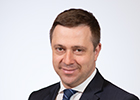
Vadim Belobrovtsev
Profiileerimine Eesti Keskerakonna fraktsioonAI kokkuvõte
Vadim Belobrovtsev esitas ministrile tehnilise küsimuse seoses vanema maksukohustuse kavandatava 100-eurose vähendamisega, imestades, miks ei kaalutud paljulapselistele peredele automaksu täielikku kaotamist ning rõhutades, et demograafilist olukorda silmas pidades peaks lastega perede toimetuleku parandamiseks mõeldud toetus olema oluliselt suurem kui pakutud 100 eurot.
Vadim Belobrovtsev
Profiileerimine Eesti Keskerakonna fraktsioonAI kokkuvõte
Vadim Belobrovtsev esitab ministrile puhttehnilise küsimuse seoses vanema maksukohustuse kavandatava kuni 100-eurose vähendamisega, pärides, miks ei kaalutud automaksu täielikku kaotamist paljulapselistele peredele ning miks piirduti just 100 euroga, rõhutades, et demograafilist olukorda arvestades peaks lastega perede toimetulekut parandav samm olema rahaliselt oluliselt suurem.
Rahandusminister Jürgen Ligi
AI kokkuvõte
Rahandusminister Jürgen Ligi lükkab ümber väited eelarve ülejäägi kohta, rõhutades, et raha on puudu ja makse tuleb koguda, ning juhib tähelepanu sellele, et majandust stimuleerib kordades rohkem järgmisel aastal toimuv tulumaksukoormuse vähendamine 780 miljoni euro ehk ligi 1,5% SKP ulatuses, mis on oluliselt suurem panus kui teised arutluse all olevad maksuküsimused.
Rahandusminister Jürgen Ligi
AI kokkuvõte
Rahandusminister Jürgen Ligi kaitseb maksude kogumise vajadust eelarvepuudujäägi tõttu, lükates ümber vastaspoole loogika, kuid rõhutab, et majanduse elavdamiseks vähendatakse tulumaksukoormust järgmisel aastal 780 miljoni euro võrra, mis on kordi suurem ja olulisem samm kui emotsionaalselt ebameeldiv automaks, vähendades maksukoormust ligi 1,5% SKP-st.
Esimees Lauri Hussar
AI kokkuvõte
Esimees Lauri Hussar andis sõna Peeter Ernitsale, kutsudes ta kõnepulti.

Peeter Ernits
Profiileerimine Fraktsiooni mittekuuluvad Riigikogu liikmedAI kokkuvõte
Peeter Ernits heidab ministrile ette rahva arvamuse ja põhiseaduse eiramist ning nõuab selgitust ministri ebatavaliselt aktiivse tegevuse kohta 2024. aasta veebruaris, mil ta koalitsioonisaadikuna kritiseeris ja püüdis muuta oma partei esitatud eelnõu, mis hiljem presidendi poolt põhiseadusvastaseks kuulutati, küsides, mida minister toona tegelikult lootsis saavutada selle "käki" esimesel lugemisel.
Peeter Ernits
Profiileerimine Fraktsiooni mittekuuluvad Riigikogu liikmedAI kokkuvõte
Peeter Ernits kritiseerib ministrit põhiseaduse ja rahva arvamuse teerullina eiramise eest ning nõuab selgitust ministri ebatraditsiooniliselt aktiivse tegevuse kohta rahanduskomisjonis 2024. aasta veebruaris, mil ta püüdis mõjutada koalitsiooni eelnõu, mis hiljem presidendi poolt põhiseadusvastaseks tunnistati ja mida minister nüüd peab pehmendama, küsides, mida minister toona oma aktiivsusega tegelikult saavutada lootis.
Rahandusminister Jürgen Ligi
AI kokkuvõte
Rahandusminister Jürgen Ligi kinnitas oma endiseid seisukohti automaksu osas, selgitades, et ta püüdis eelnevalt selgitada maksu vajalikkust riigi rahanduse ja keskkonnamõjude tõttu, rõhutades, et maksukogumine ja autostumise piiramine on moraalne ning tsivilisatsioon peab hakkama arvestama oma kõrvalmõjudega, distantseerides end samal ajal Martin Helmest ja tema vähesest osalusest rahanduskomisjonis.
Rahandusminister Jürgen Ligi
AI kokkuvõte
Rahandusminister Jürgen Ligi distantseeris end Martin Helmest ja kritiseeris automaksu lihtsat eitamist kui madalat debati taset, selgitades, et tema seisukohad maksu vajalikkuse osas on endised: maksukogumine ja autostumise piiramine on moraalsed ning hädavajalikud riigi rahanduse korrastamiseks ja tsivilisatsiooni keskkondlike ning taristuga seotud kõrvalmõjude arvestamiseks.
Esimees Lauri Hussar
AI kokkuvõte
Esimees Lauri Hussar Anastassia Kovalenko-Kõlvart paluti kõnepulti.

Anastassia Kovalenko-Kõlvart
Profiileerimine Eesti Keskerakonna fraktsioonAI kokkuvõte
Anastassia Kovalenko-Kõlvart rõhutab, et kavandatav automaks on põhiseadusega vastuolus, kuna see sunnib puuetega inimesi autodest loobuma, minnes vastuollu riigi kohustusega olla nende erilise hoole all, ning küsib valitsuselt, kas nad kaaluvad uuesti erisuste kehtestamist puuetega inimestele, kuna praegused toetused ei ole piisavad.
Anastassia Kovalenko-Kõlvart
Profiileerimine Eesti Keskerakonna fraktsioonAI kokkuvõte
Anastassia Kovalenko-Kõlvart rõhutab, et kavandatav automaks on põhiseadusega vastuolus, kuna see sunnib puuetega inimesi autodest loobuma, hoolimata nende riiklikust erilisest hoolealusestaatusest, ning nõuab valitsuselt erisuste loomist, kuna praegused toetused ei ole piisavad.
Rahandusminister Jürgen Ligi
AI kokkuvõte
Rahandusminister Jürgen Ligi rõhutab vajadust piirata maksude ebaõiglast vältimist, kritiseerides sotsiaalpoliitika tegemist maksuerandite kaudu kui riskantset ja ebaefektiivset meetodit, mis võib viia kuritarvitusteni (nt autode registreerimine puuetega inimeste nimele), ning heidab vaidlustajatele ette haldusriskide ignoreerimist, mis kaasnevad kergesti möödahiilitava maksuseaduse loomisega.
Rahandusminister Jürgen Ligi
AI kokkuvõte
Rahandusminister Jürgen Ligi rõhutab, et maksusüsteem peab piirama ebaõiglast vältimist, hoiatades, et sotsiaalpoliitika tegemine maksuerandite kaudu on alati riskantne ja ebaefektiivne, kuna see loob suuri maksuriske – näiteks puudega inimeste toetuse kuritarvitamine autoparkide loomiseks – ning muudab maksude haldamise keeruliseks, lubades neil, kes tegelikult peaksid maksu maksma, sellest kergesti mööda hiilida.
Esimees Lauri Hussar
AI kokkuvõte
Esimees Lauri Hussar kutsus järgmiseks kõnelema Mart Maastiku.
Mart Maastik
Profiileerimine Fraktsiooni mittekuuluvad Riigikogu liikmedAI kokkuvõte
Mart Maastik lükkab ümber ministri väited automaksu positiivse mõju kohta, rõhutades, et autopark vananeb, saaste suureneb ja maksu eesmärk pidurdada autostumist on eriti ebaõiglane maapiirkondades, kus auto on hädavajalik laste kooli viimiseks, mistõttu tuleks kogu maks kosmeetiliste paranduste asemel tühistada.
Mart Maastik
Profiileerimine Fraktsiooni mittekuuluvad Riigikogu liikmedAI kokkuvõte
Mart Maastik kritiseerib teravalt automaksu, lükates ümber ministri väited säästlikumate autode ostmise kohta, rõhutades, et autopark vananeb ja saastab rohkem, heidab valitsusele ette inimeste rahaliste murede alahindamist ning juhib tähelepanu maksu eriti negatiivsele mõjule maapiirkondades, kus auto on hädavajalik, soovitades maksu kosmeetiliste paranduste asemel hoopis tühistada.
Rahandusminister Jürgen Ligi
AI kokkuvõte
Rahandusminister Jürgen Ligi kritiseeris küsijat, kes tema hinnangul ei kuulanud ja püüdis olemasolevatele vastustele küsimusi leida, rõhutades, et maksuvältimise pingutus väikeste summade (nt 20 euro) nimel on ebapraktiline ja mõistlikum on mõõdukad maksud lihtsalt ära maksta, tuues isikliku näitena autode registreerimise ning nõudes, et Riigikogu liikmed esitaksid oma küsimused ükshaaval, et vastaja saaks keskenduda.
Rahandusminister Jürgen Ligi
AI kokkuvõte
Rahandusminister Jürgen Ligi heitis kuulajatele ette, et nad ei kuula ja püüavad vastuseid küsimustele ette kirjutada, rõhutades, et paarikümne euro pärast pole mõtet maksude vältimisega vaeva näha, kuna lihtsam on maksu tasuda; lõpetuseks palus ta Riigikogu liikmel esitada küsimused ükshaaval, et need saaks korralikult üles kirjutada ja vastatud.
Esimees Lauri Hussar
AI kokkuvõte
Esimees Lauri Hussar palus Anti Allasel poodiumile tulla ja oma ettekannet alustada.

Anti Allas
Profiileerimine Fraktsiooni mittekuuluvad Riigikogu liikmedAI kokkuvõte
Anti Allas tunnustas ministrit valmisoleku eest automaksu mõistlikumaks muuta, kuid kritiseeris samas esitatud eelnõusid, kuna need ei likvideeri korraga kõiki maksuga seotud puudujääke, tuues esile mure regionaalse ebavõrdsuse kasvu pärast, mida maksu kehtestamisel pole piisavalt hinnatud.
Anti Allas
Profiileerimine Fraktsiooni mittekuuluvad Riigikogu liikmedAI kokkuvõte
Anti Allas tunnustas ministri valmisolekut automaksu parandada, kuid küsis kriitiliselt, miks esitatud eelnõud ei likvideeri korraga kõiki puudujääke, tuues esile maksu mõju regionaalse ebavõrdsuse süvendamisele.
Rahandusminister Jürgen Ligi
AI kokkuvõte
Rahandusminister Jürgen Ligi käsitleb eelnõu sotsiaal- ja regionaalpoliitilist mõju, kahtleb, kas see ebavõrdsust suurendab, kuna auto omamine viitab jõukusele ning maksumäärad pole piisavalt suured, et tekitada suurt sotsiaalset või regionaalset mõju, isegi kui maapiirkonnad autodest rohkem sõltuvad, soovitades teema analüüsimiseks kaasata Riina Sikkuti.
Rahandusminister Jürgen Ligi
AI kokkuvõte
Rahandusminister Jürgen Ligi rõhutab, et eelnõu mõistlikkuse hindamisel on palju küsimusi, eriti kas sotsiaalpoliitikat on otstarbekas ajada vara- ja keskkonnamaksu kaudu, ning kahtleb, et see suurendaks oluliselt regionaalset ebavõrdsust, kuna maksumäärad on väikesed ja auto omamine viitab jõukusele nii linnas kui ka maal, soovitades sügavama analüüsi saamiseks konsulteerida Riina Sikkutiga.
Esimees Lauri Hussar
AI kokkuvõte
Esimees Lauri Hussar Helmen Küttile anti sõna.
Helmen Kütt
Profiileerimine Sotsiaaldemokraatliku Erakonna fraktsioonAI kokkuvõte
Helmen Kütt kritiseerib teravalt sotsiaalpoliitilist meedet, mis pidi puudetoetusi tõstma ja automaksu koormust leevendama, tuues esile, et kuigi sügava puudega inimeste toetus tõusis märgatavalt, said raske puudega inimesed vaid tühise lisa (mõnel juhul alla euro) ning keskmise puudega inimestele toetust üldse ei tõstetud, mistõttu see meede ei ole piisav ega pädev.
Helmen Kütt
Profiileerimine Sotsiaaldemokraatliku Erakonna fraktsioonAI kokkuvõte
Helmen Kütt kritiseerib valitsuse sotsiaalpoliitilist meedet, märkides, et kuigi sügava puudega tööealiste inimeste toetus tõusis märkimisväärselt, jäi keskmise puudega inimeste toetus tõstmata ning raske puudega inimeste toetused ühtlustati vaid sümboolse lisaga, mistõttu ei pea ta meedet piisavaks ega pädevaks leevendama näiteks automaksu mõju.
Rahandusminister Jürgen Ligi
AI kokkuvõte
Rahandusminister Jürgen Ligi möönab, et toetused leevendavad hinnatõusude mõju vaid osaliselt, kuid rõhutab, et tema algatatud sotsiaalpoliitika eesmärk on tõsta väiksemaid toetusi ja toimetulekupiiri, alustades kõige vaesematest, mitte keskendudes autodele, mis ei ole primaarne toimetulekuraskuse näitaja.
Rahandusminister Jürgen Ligi
AI kokkuvõte
Rahandusminister Jürgen Ligi selgitab, et kuigi toetused leevendavad hinnatõuse vaid osaliselt, on tema algatusel arutatud väiksemate toetuste suurendamist, kuid rõhutab, et sotsiaalpoliitika peab keskenduma kõige vaesematele, mitte autoomanikele, kuna auto ei ole primaarne toimetulekuraskuste näitaja, ning lubab jätkata sihitud sotsiaalpoliitikat ka järgmistes diskussioonides, hoolimata sellest, et näiteks puudega inimeste toetused praegu eelarvesse ei mahtunud.
Esimees Lauri Hussar
AI kokkuvõte
Esimees Lauri Hussar andis lühikese sissejuhatuse järel sõna Vladimir Arhipovile.
Vladimir Arhipov
Profiileerimine Fraktsiooni mittekuuluvad Riigikogu liikmedAI kokkuvõte
Vladimir Arhipov kritiseerib valitsust tulumaksu eelnõu vastuolulisuse eest, mis esmalt tõsteti ja siis tagasi võetakse, ning nõuab selgitust, miks sotsiaalpoliitikas pööratakse tähelepanu vaid lastega peredele, jättes teised raskustes olevad ja vaesemad grupid täiesti tähelepanuta.
Vladimir Arhipov
Profiileerimine Fraktsiooni mittekuuluvad Riigikogu liikmedAI kokkuvõte
Vladimir Arhipov tunnustab tulumaksu majandust stimuleerivat rolli, kuid kritiseerib ministrit vastuolulise maksupoliitika (tõstmine ja seejärel tagasivõtmine) pärast ning pärib, miks ei pöörata tähelepanu ka teistele toimetulekuraskustes olevatele rühmadele peale lastega perede.
Rahandusminister Jürgen Ligi
AI kokkuvõte
Rahandusminister Jürgen Ligi kaitses koalitsiooni maksupoliitilisi valikuid, selgitades, et tulumaksu määr tõusis sotside tugeval survel, kuid rõhutas, et maksuküüru kaotamine vähendab koormust ja et tema isiklik taotlus maksuvaba miinimumi taastamiseks täideti, rõhutades, et poliitika ongi kompromisside kunst, kus iga osapool saab oma tahtmise erinevates küsimustes, ning manitses kuulajaid mitte siduma kõiki erinevaid teemasid, nagu näiteks vaesuse leevendamine ja auto omamine, omavahel kokku.
Rahandusminister Jürgen Ligi
AI kokkuvõte
Rahandusminister Jürgen Ligi selgitas, et maksupoliitika on koalitsiooni kompromisside tulemus, kus tulumaksu määra tõus oli sotside surve all tehtud mööndus, ent maksuküüru kaotamine vähendab koormust 500 miljoni euro ulatuses, tuues esile enda pikaaegse võitlusena maksuvaba miinimumi taastamise ning rõhutades, et erinevaid poliitikavalikuid ei tohiks omavahel segamini ajada.
Esimees Lauri Hussar
AI kokkuvõte
Esimees Lauri Hussar andis sõna Lauri Laatsile.
Lauri Laats
Profiileerimine Eesti Keskerakonna fraktsioonAI kokkuvõte
Lauri Laats kritiseerib teravalt automaksu, mille algne keskkonnapõhjendus asendus riigikassa täitmise vajadusega, ning rõhutab, et isegi koalitsioonipartnerid on seda maksu nimetanud poliitiliseks, nõudes valitsuselt tõsist maksupoliitilist diskussiooni ja alternatiivsete lahenduste (nagu pangamaksu tõstmine) kaalumist lihtsama vastupanu teed mineva automaksu asemel.
Lauri Laats
Profiileerimine Eesti Keskerakonna fraktsioonAI kokkuvõte
Lauri Laats alustab iroonilise vabandusega oma automaksuvastase pusa pärast, vihjates sõnavabaduse piiramisele, ning kritiseerib seejärel teravalt automaksu, rõhutades, et isegi ministrid on seda nimetanud poliitiliseks "kana-põdra" maksuks, mille algne keskkonnakaitseline eesmärk on asendunud riigikassa täitmise vajadusega; lõpetuseks kutsub ta valitsust üles loobuma lihtsast automaksu teest ja alustama tõsist maksupoliitilist debatti, tuues alternatiividena esile teiste riikide pangamaksud ja käibemaksu alandamise.
Esimees Lauri Hussar
AI kokkuvõte
Esimees Lauri Hussar andis lühikese, ent selge fraasiga märku, et järgmisel esinejal on aeg oma ettekannet alustada ja tema kõneaeg on alanud.
Lauri Laats
Profiileerimine Eesti Keskerakonna fraktsioonAI kokkuvõte
Lauri Laats käsitles oma lühikeses fraasis teemat, mis puudutab otseselt inimestelt raha ära võtmist, viidates ilmselt mingisugustele riiklikele finantskohustustele või maksudele.
Lauri Laats
Profiileerimine Eesti Keskerakonna fraktsioonAI kokkuvõte
Lauri Laats keskendus lühidalt teemale, mis puudutab inimeste maksustamist või neilt raha sissenõudmist.
Rahandusminister Jürgen Ligi
AI kokkuvõte
Rahandusminister Jürgen Ligi heidab oponendile ette teemade segiajamist ja sõnade väänamist, viidates ka EKRE pusa-konfliktile, ning keskendub seejärel maksupoliitikale, väites, et toidu käibemaksu alandamine on asotsiaalne meede, mis ei langeta püsivalt hindu, vaid suurendab hoopis kaubanduskettide kasumeid, kuna statistika näitab, et madalama toidu käibemaksuga riikides on toidu hinnad tihti hoopis kõrgemad.
Rahandusminister Jürgen Ligi
AI kokkuvõte
Rahandusminister Jürgen Ligi heidab vastaspoolele ette seosetut juttu ja sõnade väänamist, viidates ka poliitilistele pingetele (nt EKRE lahkumine saalist pusa pärast), ning keskendub seejärel maksupoliitikale, põhjendades statistikale tuginedes, miks toidu käibemaksu alandamine on asotsiaalne poliitika, mis ei langeta hindu, vaid suurendab kaubanduskettide kasumeid, tuues näiteks Rootsi ja Läti lühiajalised ebaefektiivsed meetmed.
Esimees Lauri Hussar
AI kokkuvõte
Esimees Lauri Hussar Vadim Belobrovtsev kutsuti kõnepulti oma ettekannet alustama.
Vadim Belobrovtsev
Profiileerimine Eesti Keskerakonna fraktsioonAI kokkuvõte
Vadim Belobrovtsev naaseb oma esialgsete küsimuste juurde, soovides kinnitust, et paljulapseliste perede automaksust vabastamist läbirääkimistel ei käsitletud, ning kahtleb, kas 100-eurone maksuleevendus oli lastega peredele tõesti maksimum, mida riik suutis pakkuda, eriti arvestades valitsuskolleegi väidet, et raha on tegelikult piisavalt.
Vadim Belobrovtsev
Profiileerimine Eesti Keskerakonna fraktsioonAI kokkuvõte
Vadim Belobrovtsev nõuab selgitust, kas automaksu läbirääkimistel jäeti täiesti kõrvale paljulapseliste perede vabastus ning kahtleb valitsuse rahalistes põhjendustes 100-eurose maksuleevenduse piiri osas, tuues esile vastuolu teise ministri väitega, et riigil on raha tegelikult "ropult palju".
Rahandusminister Jürgen Ligi
AI kokkuvõte
Rahandusminister Jürgen Ligi kritiseeris küsimuse ebaselgust ja ebaolulisust, rõhutades, et eelarvel on piirid ning automaksu eesmärk on vähendada autostumist ja tagada laiapõhjaline maksutulu, soovitades arutelu keskendada pigem tema enda varasemate ja praeguste seisukohtade järjepidevusele, mitte kolmandate isikute arvamustele.
Rahandusminister Jürgen Ligi
AI kokkuvõte
Rahandusminister Jürgen Ligi väljendas pahameelt küsija arusaamatu ja ebaolulisi teemasid sisaldava sõnavõtu üle, rõhutades, et eelarvel on piirid ning automaksu eesmärk on vähendada autostumist ja laiendada maksubaasi, soovitades diskuteerida pigem tema enda varasemate ja praeguste seisukohtade järjepidevuse üle, mitte kolmandate isikute ütluste üle.
Esimees Lauri Hussar
AI kokkuvõte
Esimees Lauri Hussar andis sõna Kalle Grünthalile.
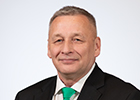
Kalle Grünthal
Profiileerimine Fraktsiooni mittekuuluvad Riigikogu liikmedAI kokkuvõte
Kalle Grünthal kritiseerib teravalt kavandatavat automaksu, tõmmates paralleele Nõukogudeaegse sundkollektiviseerimisega, kus talupidajad sunniti kolhoosidesse võimatult kõrgete maksude abil, ning heidab ette, et autostumise vähendamise eesmärgil kehtestatav maks on vastuolus Eesti rahva kui kõrgeima võimu tahtega, kes automaksu ei soovi.
Kalle Grünthal
Profiileerimine Fraktsiooni mittekuuluvad Riigikogu liikmedAI kokkuvõte
Kalle Grünthal tõmbab paralleele Nõukogude Liidu sundkollektiviseerimise ja tänase automaksu vahel, märkides, et sarnaselt talupoegadele võimatute maksude abil kolhoosidesse sundimisele püütakse ka nüüd autostumist vähendada rahva tahte vastaselt kehtestatava maksuga, ning küsib, miks valitsus tegutseb kõrgeima võimu ehk Eesti rahva vastu.
Rahandusminister Jürgen Ligi
AI kokkuvõte
Rahandusminister Jürgen Ligi lükkab kategooriliselt tagasi süüdistused rahva tahte vastu seismises, rõhutades, et kolhoosikord on läbi ja Eesti Vabariik püsib kodanike makstud maksudel, mis on põhiseadusega kehtestatud kohustus (§ 106) ja patriootlik auasi, mitte rahvaküsitluse teema, ning süüdistab oponenti avaliku pettumuse ekspluateerimises.
Rahandusminister Jürgen Ligi
AI kokkuvõte
Rahandusminister Jürgen Ligi rõhutab, et Eesti Vabariik toimib kodanike makstud maksudest, mitte kolhoosikorra vaimus, ning maksude maksmine on põhiseaduslik kohustus ja patriootlik auasi, kuna Põhiseadus keelab otseselt rahvaküsitlused maksude, eelarve ja julgeoleku teemadel, mistõttu riigi rahastamine on vältimatu vajadus oma riigi hoidmiseks.
Esimees Lauri Hussar
AI kokkuvõte
Esimees Lauri Hussar andis kõnevooru üle Peeter Ernitsale.
Peeter Ernits
Profiileerimine Fraktsiooni mittekuuluvad Riigikogu liikmedAI kokkuvõte
Peeter Ernits heidab rahandusministrile ette tema erakonna topeltstandardeid, küsides, miks nad nõuavad seksuaalaktis kindlat nõusolekut, kuid on samal ajal astunud rahvaga "vägivaldsesse ühtesse", kehtestades maksu, millele 77 442 inimest on selgelt vastu hääletanud.
Peeter Ernits
Profiileerimine Fraktsiooni mittekuuluvad Riigikogu liikmedAI kokkuvõte
Peeter Ernits heitis rahaministri erakonnale ette topeltstandardeid, küsides, miks nõutakse partnerilt suguühtesse astumiseks kindlat jah-i, samal ajal kui valitsus on astunud rahvaga n-ö vägivaldsesse ühtesse, eirates 77 442 inimese selget vastuseisu (kindel ei) mõnele poliitilisele otsusele.
Rahandusminister Jürgen Ligi
AI kokkuvõte
Rahandusminister Jürgen Ligi kritiseeris teravalt vastaspoole vananenud arusaamu ühiskonna juhtimisest ja labaseid kolhoosinalju, rõhutades, et eelnõusid valmistab ette valitsus, mitte partei, ning nõudes, et ebameeldiv ja teemaväline jutt lõpetataks ning keskendutaks arutatava eelnõu sisule, mille puhul on tänapäevases vaates oluline partnerite selge tahe.
Rahandusminister Jürgen Ligi
AI kokkuvõte
Rahandusminister Jürgen Ligi lükkab teravalt tagasi labased kolhoosinaljad ja vananenud arusaama partei kõikvõimsast rollist ühiskonna juhtimisel ja eelnõude koostamisel, rõhutades, et tänapäevane vaade nõuab partnerite selget tahet ning nõudes saalist kostuvate ebameeldivate ja teemaväliste märkuste lõpetamist, mis ei ole arutatava eelnõuga adekvaatsed.
Esimees Lauri Hussar
AI kokkuvõte
Esimees Lauri Hussar lõpetas oma esinemise lühikese ja viisaka tänusõnaga.
Rahandusminister Jürgen Ligi
AI kokkuvõte
Rahandusminister Jürgen Ligi märgib, et ta on sunnitud korduvalt selgitama partei, valitsuse ja üksikisiku segiajamist, rõhutades, et see eristus on fundamentaalne põhiseaduslik küsimus.
Rahandusminister Jürgen Ligi
AI kokkuvõte
Rahandusminister Jürgen Ligi rõhutab, et on põhiseaduslikult oluline eristada parteid, valitsust ja üksikisikut, ning ta peab seda segadust pidevalt lahti seletama.
Esimees Lauri Hussar
AI kokkuvõte
Esimees Lauri Hussar tänas eelmist esinejat ja andis seejärel sõnajärje üle Anastassia Kovalenko-Kõlvartile.
Anastassia Kovalenko-Kõlvart
Profiileerimine Eesti Keskerakonna fraktsioonAI kokkuvõte
Anastassia Kovalenko-Kõlvart meenutab Eesti 200 varasemat ettepanekut ja peaminister Kristen Michali lubadust arutada automaksu tühistamist ning pärib kriitiliselt, kas see arutelu tegelikult aset leidis ja kas maksu täielik kaotamine on koalitsioonipartnerite nõudmisel endiselt päevakorras.
Anastassia Kovalenko-Kõlvart
Profiileerimine Eesti Keskerakonna fraktsioonAI kokkuvõte
Anastassia Kovalenko-Kõlvart pärib koalitsioonilt järele, kas lubatud arutelu automaksu täieliku tühistamise üle, mis tulenes nii Kristina Kallase väidetest riigi heast rahalisest seisust kui ka peaminister Kristen Michali lubadusest teemat arutada, tegelikult aset leidis, ning kas see küsimus võib veel eelnõu teisel lugemisel päevakorda tõusta.
Rahandusminister Jürgen Ligi
AI kokkuvõte
Rahandusminister Jürgen Ligi kaitses haridusminister Kristina Kallast ajakirjanduses ilmunud tsitaadi konteksti selgitades, märkides, et tegemist oli eelarvekõnelustelt tulnud kibeduse ja irooniaga, ning kritiseeris teravalt Riigikogu liikmeid, kes eelnõu sisulise arutelu asemel tegelevad vastutustundetult kolmandate isikute tsiteerimise ja odavate küsimustega, pidades sellist käitumist Riigikogu tasemele mittevastavaks.
Rahandusminister Jürgen Ligi
AI kokkuvõte
Rahandusminister Jürgen Ligi kaitseb haridusministri eelarvekõnelustelt tulnud kibedat irooniat, mis ajakirjanduses vääriti esitati, ja heidab Riigikogu opositsioonile ette vastutustundetut käitumist, kolmandate isikute tsiteerimist ning debati madalat taset, rõhutades, et nad ei suudaks riigi valitsemise vastutust kanda.
Esimees Lauri Hussar
AI kokkuvõte
Esimees Lauri Hussar andis sõna Anti Allasele.
Anti Allas
Profiileerimine Fraktsiooni mittekuuluvad Riigikogu liikmedAI kokkuvõte
Anti Allas heidab ministrile ette, et valitsuse ettepanek taastada tulumaksuvaba miinimum 4000 eurot või rohkem teenivatele inimestele neelab peaaegu kaks kolmandikku kogu automaksu laekumisest, nimetades seda kõrgepalgalistele tehtud kingituseks, ning pärib seejärel otse, miks automaksu sotsiaaldemokraatide lahkumise järel ikka veel kaotatud pole.
Anti Allas
Profiileerimine Fraktsiooni mittekuuluvad Riigikogu liikmedAI kokkuvõte
Anti Allas heidab valitsusele ette, et peaaegu kaks kolmandikku automaksu laekumisest kulub tulumaksuvaba miinimumi taastamisele kõrgepalgalistele (4000+ eurot), nimetades seda kingituseks, ning küsib ministrilt otse, miks automaksu pole kaotatud pärast sotsiaaldemokraatide lahkumist valitsusest.
Rahandusminister Jürgen Ligi
AI kokkuvõte
Rahandusminister Jürgen Ligi põhjendab autode maksustamist eelkõige eelarveliste ja keskkonnast tulenevate koormuste tõttu, rõhutades, et sotsiaalselt ei ole tegemist ebaõiglase meetmega, kuna auto omamine viitab üldjuhul teatud toimetuleku tasemele, mida ta oma isiklike eluetappide põhjal hästi tajub.
Rahandusminister Jürgen Ligi
AI kokkuvõte
Rahandusminister Jürgen Ligi põhjendab auto omamise maksustamist vajadusega leevendada keskkonna- ja taristukoormust ning rõhutab, et tegemist pole sotsiaalselt ebaõiglase meetmega, sest auto omamine viitab üldjuhul teatud toimetuleku tasemele, mida ta oma isikliku elukogemuse põhjal hästi tunneb.
Esimees Lauri Hussar
AI kokkuvõte
Esimees Lauri Hussar Helir-Valdor Seeder kutsuti kõnepulti oma sõnavõttu pidama.
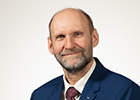
Helir-Valdor Seeder
Profiileerimine Isamaa fraktsioonAI kokkuvõte
Helir-Valdor Seeder kritiseeris teravalt ministri vingerdamist ebamõistliku, rumala ja bürokraatliku maksu õigustamisel, rõhutades, et maapiirkondades autostumise soodustamine on riigile odavam kui kalli ja ebaefektiivse ühistranspordivõrgu ülalpidamine, ning küsis konkreetse küsimuse, kas maksuvähenduse soodustus laieneb ka pikaajalises rendikasutuses olevatele sõidukitele.
Helir-Valdor Seeder
Profiileerimine Isamaa fraktsioonAI kokkuvõte
Helir-Valdor Seeder kritiseerib teravalt ministri vingerdamist ebamõistliku, ebaõiglase ja bürokraatliku maksu õigustamisel, rõhutades, et autostumise soodustamine hajaasustuses on riigile kordades odavam kui kalli ja ebaefektiivse ühistranspordivõrgu ülalpidamine, ning lõpetab konkreetse küsimusega, kas kavandatav maksuvähendus laieneb ka pikaajaliselt rendiautode kasutajatele.
Rahandusminister Jürgen Ligi
AI kokkuvõte
Rahandusminister Jürgen Ligi väljendab kahetsust keskkonnahariduse piiratuse üle, kritiseerides kuulajaid keskkonnasäästliku poliitika süsteemse naeruvääristamise eest, ning rõhutab, et kuigi hajaasustuses eelistatakse odavamat autot, on valitsuse eesmärk muuta ühistransporti vajaduspõhisemaks ja mõistlikumaks, mitte seda kaotada.
Rahandusminister Jürgen Ligi
AI kokkuvõte
Rahandusminister Jürgen Ligi väljendab kahetsust keskkonnahariduse piiratuse üle, mis viib säästliku poliitika süsteemse naeruvääristamiseni, ning rõhutab, et kuigi hajaasustuses valitakse odavama auto kasuks, on valitsuse eesmärk hoopis ühistransporti mõistlikumaks ja vajaduspõhisemaks muuta, mitte seda kaotada.
Esimees Lauri Hussar
AI kokkuvõte
Esimees Lauri Hussar Kalle Grünthal kutsuti kõnepulti oma ettekannet pidama.
Kalle Grünthal
Profiileerimine Fraktsiooni mittekuuluvad Riigikogu liikmedAI kokkuvõte
Kalle Grünthal kritiseeris teravalt rahandusminister Jürgen Ligi automaksu eelnõu, võrreldes seda sundkollektiviseerimisega ja süüdistades ministrit nõukogude kommunistliku poliitika ajamises, mille eesmärk on autostumise vähendamise sildi all rikkuda põhiseaduse § 32 sätestatud omandi puutumatuse põhimõtet.
Kalle Grünthal
Profiileerimine Fraktsiooni mittekuuluvad Riigikogu liikmedAI kokkuvõte
Kalle Grünthal süüdistab rahandusminister Jürgen Ligit Nõukogude kommunistliku poliitika ajamises, võrreldes kavandatavat automaksu sundkollektiviseerimisega, mille eesmärk oli kõrgete maksude abil eraomandit likvideerida, rõhutades, et selline tegevus rikub põhiseaduse § 32 sätestatud omandi puutumatuse põhimõtet.
Rahandusminister Jürgen Ligi
AI kokkuvõte
Rahandusminister Jürgen Ligi lükkab resoluutselt tagasi kommunismi ja kolhoosikorra paradigmas diskuteerimise, rõhutades oma varajast ja vankumatut vastuseisu Nõukogude korrale, mille eest teda koolis isegi poliitiliselt alaarenenuks peeti, ning nõuab raevukalt vabandust sellelt, kes julges teda endiseks kommunistiks nimetada, süüdistades hoopis vastaspoolt kommunismi peal kasvamises.
Rahandusminister Jürgen Ligi
AI kokkuvõte
Rahandusminister Jürgen Ligi nõuab, et lõpetataks diskussioon kommunismi ja kolhoosikorra paradigmas, ning väljendab nördimust, et teda nimetati endiseks kommunistiks, kinnitades oma eluaegset vastuseisu nõukogude korrale, mille tõttu teda koolis isegi poliitiliselt alaarenenuks peeti, ning nõuab süüdistajalt häbenemist ja vabandamist.
Esimees Lauri Hussar
AI kokkuvõte
Esimees Lauri Hussar tegi ettepaneku lõpetada eelnõu teemast kaugele kaldunud diskussioon, paludes kolleegidel edaspidi jääda arutatava eelnõu raamidesse, ning andis seejärel sõna Jaak Aabile küsimuse esitamiseks.
Esimees Lauri Hussar
AI kokkuvõte
Esimees Lauri Hussar sekkus arutellu, tehes ettepaneku diskussioon lõpetada, kuna see oli eelnõu sisust kaugele kaldunud, ning palus edaspidi jääda teema raamidesse, andes seejärel küsimuseks sõna Jaak Aabile.

Jaak Aab
Profiileerimine Fraktsiooni mittekuuluvad Riigikogu liikmedAI kokkuvõte
Jaak Aab kiidab heaks eelnõus kavandatud muudatuse, millega maksustatakse üle seitsme istekohaga M-kategooria väikebussid (mida kasutavad tihti paljulapselised pered ja invatransport) N-kategooria maksumääraga, kuid pärib ministrilt, kas arutelu käigus kaaluti sarnase soodustuse rakendamist ka registreerimistasule.
Jaak Aab
Profiileerimine Fraktsiooni mittekuuluvad Riigikogu liikmedAI kokkuvõte
Jaak Aab kiidab heaks eelnõu, mis maksustab üle seitsmekohalised M-kategooria väikebussid N-kategooria määra alusel, pidades seda sammuks õiges suunas, kuna neid sõidukeid kasutavad sageli paljulapselised pered ja invatransport, ning küsib, kas eelnõu ettevalmistamisel arutati ka samasuguse muudatuse tegemist registreerimistasu seaduses.
Rahandusminister Jürgen Ligi
AI kokkuvõte
Rahandusminister Jürgen Ligi kaitses küll otsust kaitsta registreerimistasu, kuid tunnistas, et ei suuda hetkel meenutada selle maksupoliitilise valiku täpseid argumente, ning kritiseeris teravalt arutelu madalat taset, mis on isiklike rünnakute tõttu rööpast välja läinud.
Rahandusminister Jürgen Ligi
AI kokkuvõte
Rahandusminister Jürgen Ligi tunnistas, et tal ei taastu hetkel täpne argumentatsioon, miks maksupoliitiliselt eelistati registreerimistasu, ning väljendas pahameelt isiklike rünnakute (nagu kommunistiks sõimamine) üle, mis viivad diskussiooni sisuliselt rajalt kõrvale.
Esimees Lauri Hussar
AI kokkuvõte
Esimees Lauri Hussar andis Jaak Aabile sõna, paludes tal esitada talle ettenähtud teise küsimuse.
Jaak Aab
Profiileerimine Fraktsiooni mittekuuluvad Riigikogu liikmedAI kokkuvõte
Jaak Aab rõhutab, et kuigi Sotsiaaldemokraatlik Erakond toetab ideoloogiliselt kallimate autode maksustamist, oli mootorsõidukimaksu kehtestamise tegelik ajend eelarvedefitsiidi katmine, mis omakorda tekkis eelkõige tänu olematu maksuküüru kaotamisele, mis jättis riigieelarvesse ligi 500 miljoni euro suuruse augu.
Jaak Aab
Profiileerimine Fraktsiooni mittekuuluvad Riigikogu liikmedAI kokkuvõte
Jaak Aab selgitab, et kuigi Sotsiaaldemokraatliku Erakonna põhimõttes on kallimate autode maksustamine igati kooskõlas nende maailmavaatega, oli praegune mootorsõidukimaks tegelikult rahandusministri lauale toodud kompromiss, mille peamine eesmärk oli katta eelarvedefitsiiti, mis omakorda tekkis suuresti olematu maksuküüru kaotamise 500 miljoni eurose negatiivse mõju tõttu.
Rahandusminister Jürgen Ligi
AI kokkuvõte
Rahandusminister Jürgen Ligi kritiseerib teravalt Isamaad olematu maksuküüru kaotamise lubamise eest, mis on tegelikult erakonna enda tekitatud ja läheb maksumaksjatele maksma pool miljardit, rõhutades, et isegi eri leerides tuleks sellist moonutust ühiselt mitte kaitsta. Ta kaitseb sõidukimaksu struktuuri, mis jaotab koormuse registreerimise ja kasutamise vahel umbes 50:50, pidades seda ebamõistlikuks, ning märgib lõpetuseks ära poliitilise dünaamika, kus Isamaa näib korjavat üles Keskerakonna poolt hüljatud ideid.
Rahandusminister Jürgen Ligi
AI kokkuvõte
Rahandusminister Jürgen Ligi kritiseerib Isamaad teravalt maksupoliitika ja "olematu maksuküüru" retoorika eest, mis on maksumaksjatele toonud pool miljardit kahju, kaitstes samas automaksu ettepanekut, mis jagab koormuse registreerimise ja kasutamise vahel pooleks, pidades seda mõistlikuks lahenduseks, ning heidab poliitilise pilke Isamaa ja Keskerakonna ideoloogiliste liikumiste suunas.
Esimees Lauri Hussar
AI kokkuvõte
Esimees Lauri Hussar alustas oma pöördumist, tervitades kohalviibivaid kolleege.
Rahandusminister Jürgen Ligi
AI kokkuvõte
Rahandusminister Jürgen Ligi käsitles maksuideoloogilisi valikuid, mida on kavas kuulajatele põhjalikumalt selgitada.
Esimees Lauri Hussar
AI kokkuvõte
Esimees Lauri Hussar tegi kolleegidele üleskutse jääda konkreetse eelnõu raamesse, paludes lõpetada üldise maksupoliitika kaardistamine ja keskenduda käsitletavale teemale, mis on arutelus liiga laiaks aetud.
Esimees Lauri Hussar
AI kokkuvõte
Esimees Lauri Hussar teeb kolleegidele üleskutse hoida arutelu konkreetse eelnõu raamides, märkides, et teema on aetud liiga laiaks ning püütakse asjatult kaardistada üldist maksupoliitikat, mistõttu tuleb keskenduda käsitletavale eelnõule.

Lauri Läänemets
Profiileerimine Sotsiaaldemokraatliku Erakonna fraktsioonAI kokkuvõte
Lauri Läänemets lükkab kategooriliselt ümber ministri väited sotsiaaldemokraatide rollist maksuküüru kaotamise ja automaksu läbirääkimistel, rõhutades, et SDE oli muudatuste vastu ning et neile isegi ei näidatud automaksu eelnõu enne kooskõlastusringile saatmist, ning nõuab ministrilt lõpuks vastutuse võtmist ja häma ajamise lõpetamist.
Lauri Läänemets
Profiileerimine Sotsiaaldemokraatliku Erakonna fraktsioonAI kokkuvõte
Lauri Läänemets pöördus teravalt ministri poole, süüdistades teda häma ajamises ja vastutusest kõrvale hoidmises, kuna minister väitis ekslikult, et sotsiaaldemokraadid nõudsid maksuküüru kaotamist, kuigi tegelikult olid nad automaksu vastu ja neid hoiti eelnõu koostamisest eemal, mistõttu nõudis sõnavõtja ministrilt lõpuks ometi meheks olemist ja vastutamist, mitte aga nagu kelgunöör käitumist.
Rahandusminister Jürgen Ligi
AI kokkuvõte
Rahandusminister Jürgen Ligi asus irooniliselt kritiseerima kuulaja "tõelist proletaarset hoiakut" ja kehakeelt, soovitades tal rinda paljamaks tõmmata, kuid tema sõnavõtt katkes peagi saalist kostuva hüüde tõttu.
Rahandusminister Jürgen Ligi
AI kokkuvõte
Rahandusminister Jürgen Ligi tegi humoorika ja iroonilise tähelepaneku kuulajate "tõeliselt proletaarse" kehahoiaku kohta, võrreldes seda rinnakarvade näitamisega, kuid tema jutt katkes kohe saalist kostuva vahelehüüde tõttu.
Esimees Lauri Hussar
AI kokkuvõte
Esimees Lauri Hussar esitas terava ja emotsionaalse nõude käimasoleva tegevuse lõpetamiseks, pöördudes lühidalt oma kolleegide poole.
Rahandusminister Jürgen Ligi
AI kokkuvõte
Rahandusminister Jürgen Ligi pareeris vastase rünnakut, süüdistades teda valede tsitaatide omistamises ja rõhutades, et tema ainus kindel väide puudutas sotsiaaldemokraatide nõudmist tulumaksu tõstmise järele, mille kohta tal oli kindel teadmine, ning palus vastasel lõpetada asjade näitamine, mida temalt ei palutud.
Rahandusminister Jürgen Ligi
AI kokkuvõte
Rahandusminister Jürgen Ligi kritiseeris teravalt vastast, kes olevat saali tulles talle omistanud lauseid, mida ta pole öelnud, kinnitades, et tema viitas vaid sotsiaaldemokraatide nõudmisele tulumaksu tõstmise osas, ning palus vastasel lõpetada valeväidete esitamine ja nööbid kinni panna.
Esimees Lauri Hussar
AI kokkuvõte
Esimees Lauri Hussar kutsus kolleege üles hoidma arutelu fookust, rõhutades vajadust püsida käsitletava eelnõu piirides, et vältida diskussiooni laialivalgumist, ning andis seejärel küsimuse esitamiseks sõna Urmas Reinsalule.
Esimees Lauri Hussar
AI kokkuvõte
Esimees Lauri Hussar, märkides ära kolleegide soovi diskussiooni laiendada, kutsus kõiki osapooli üles jääma rangelt arutatava eelnõu raamidesse, rõhutades selle olulisust, ning andis seejärel sõna Urmas Reinsalule küsimuse esitamiseks.
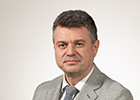
Urmas Reinsalu
Profiileerimine Isamaa fraktsioonAI kokkuvõte
Urmas Reinsalu seab kahtluse alla valitsuse tegeliku tahte automaksu kaotamisel, vihjates, et Reformierakond on uued punased, ning küsib, miks avalikult lubatud täieliku kaotamise asemel jõuti vaid "kummalise derivaadini" ja miks ignoreeriti erivajadustega inimeste koja proteste erandite loomisel.
Urmas Reinsalu
Profiileerimine Isamaa fraktsioonAI kokkuvõte
Urmas Reinsalu kritiseerib teravalt valitsuskoalitsiooni, küsides, miks jäi automaksu täielik kaotamine, mida võimuparteid avalikult deklareerisid, teostamata ning miks piirduti kummalise derivaadiga lapsetoetuse näol, nõudes selgitust, kes valitsuses kaotamisele vastu oli, ning heites ette erivajadustega inimeste koja pöördumise arvestamata jätmist erandite kontseptsiooni loomisel.
Rahandusminister Jürgen Ligi
AI kokkuvõte
Rahandusminister Jürgen Ligi lükkab tagasi isiklikud süüdistused kommunismis ning põhjendab automaksu vajalikkust eelkõige keskkonna- ja taristukoormuse ning eelarvevajadusega, selgitades, et kuigi ta on varem eelistanud kütuseaktsiisi, on automaks rahvusvahelise mõju tõttu täpsem maksupoliitika, rõhutades samas, et autoomanike kogukulud on tänu odavale kütusele tegelikult vähenenud.
Rahandusminister Jürgen Ligi
AI kokkuvõte
Rahandusminister Jürgen Ligi vastab kriitikale, õigustades automaksu kehtestamist eelarvevajaduse ning auto tekitatava keskkonna- ja taristukoormusega, rõhutades, et kuigi maksustamine on alati keeruline, on see täpsem poliitika kui kütuseaktsiisi lõputu tõstmine, ning lisab, et autoomanike kogukulud on tänu madalale kütusehinnale tegelikult vähenenud.
Esimees Lauri Hussar
AI kokkuvõte
Esimees Lauri Hussar tänas lugupeetud ministrit, lõpetades sellega talle esitatavate küsimuste vooru, ning andis seejärel päevakorraga edasi minemise eel sõna Helir-Valdor Seederile protseduuriliseks küsimuseks.
Helir-Valdor Seeder
Profiileerimine Isamaa fraktsioonAI kokkuvõte
Helir-Valdor Seeder esitas protseduurilise märkuse, juhtides juhataja tähelepanu asjaolule, et kuigi arutelu raamidesse jäämist nõuti nii küsijatelt kui ka vastajatelt, jättis minister korduvalt vastamata otsustavatele automaksu puudutavatele küsimustele (nt M- ja N-kategooria või tagasimaksed), mis kõneleja hinnangul viitas ministri ilmselgele ebakompetentsusele ja hätta jäämisele.
Helir-Valdor Seeder
Profiileerimine Isamaa fraktsioonAI kokkuvõte
Helir-Valdor Seeder tõstatas protseduurilise küsimuse, et juhtida juhataja tähelepanu asjaolule, et minister oli arutelu käigus automaksu puudutavatele olulistele küsimustele vastates ilmselgelt ebakompetentne ja jäi hätta, jättes vastamata näiteks küsimused tagasimaksete ja sõidukite kategooriate kohta.
Esimees Lauri Hussar
AI kokkuvõte
Esimees Lauri Hussar väljendab selget vastuseisu, märkides, et ta ei saa kõnealust teemat pidada pelgalt protseduuriliseks küsimuseks.
Helir-Valdor Seeder
Profiileerimine Isamaa fraktsioonAI kokkuvõte
Helir-Valdor Seeder palus tungivalt luba oma sõnavõtt lõpetada.
Helir-Valdor Seeder
Profiileerimine Isamaa fraktsioonAI kokkuvõte
Helir-Valdor Seeder tegi lühikese vahepalve, paludes tungivalt, et tal lubataks oma mõte lõpuni viia ja sõnavõtt lõpetada.
Esimees Lauri Hussar
AI kokkuvõte
Esimees Lauri Hussar rõhutas, et kriitikutel on võimalus tulla läbirääkimistele ja esitada oma sisuline kriitika ministri ettekande kohta otse puldist.
Esimees Lauri Hussar
AI kokkuvõte
Esimees Lauri Hussar kutsus kriitikuid üles kasutama neile antud võimalust tulla läbirääkimistele ja esitama oma sisuline kriitika ministri ettekande kohta otse puldist, mitte vahele rääkides.
Helir-Valdor Seeder
Profiileerimine Isamaa fraktsioonAI kokkuvõte
Helir-Valdor Seeder eitab resoluutselt eelnevat väidet, rõhutades, et tema peamine seisukoht on sisuline kriitika adressaadi juhtimise aadressil.
Esimees Lauri Hussar
AI kokkuvõte
Esimees Lauri Hussar keeldub käsitletavat teemat protseduuriliseks lugemast, andes mõista, et tegemist on sisulisema küsimusega.
Esimees Lauri Hussar
AI kokkuvõte
Esimees Lauri Hussar väljendas kindlat veendumust ja keeldus kategooriliselt käsitletavat teemat protseduuriliseks lugemast.
Helir-Valdor Seeder
Profiileerimine Isamaa fraktsioonAI kokkuvõte
Helir-Valdor Seeder väljendas pahameelt selle üle, et tema lühike, ühelauseline küsimus rendiautodele laienemise teemal jäi vastuseta.
Helir-Valdor Seeder
Profiileerimine Isamaa fraktsioonAI kokkuvõte
Helir-Valdor Seeder juhtis tähelepanu asjaolule, et tema ühelauseline küsimus rendiautodele laienemise kohta jäi juhataja ees vastuseta.
Esimees Lauri Hussar
AI kokkuvõte
Esimees Lauri Hussar keeldub korduvalt andmast Helir-Valdor Seederile sõna protseduuriliseks küsimuseks, rõhutades, et Seederi soovitud teemad on sisulised ja neid tuleb käsitleda läbirääkimiste käigus, mitte istungi protseduuri raames, ning juhib seejärel tähelepanu Urmas Reinsalule, kellel on samuti küsimus istungi läbiviimise protseduuri kohta.
Esimees Lauri Hussar
AI kokkuvõte
Esimees Lauri Hussar, ilmselt istungi juhataja rollis, keeldub kategooriliselt andmast Helir-Valdor Seederile sõna protseduuriliseks küsimuseks, rõhutades, et Seederi tõstatatud teemad on sisulised ja neid tuleb arutada läbirääkimistel, ning manitsedes teda Riigikogu juhatuse kogemusele viidates protseduurireeglitest kinni pidama, andes seejärel sõna Urmas Reinsalule, kellel oli samuti küsimus istungi läbiviimise protseduuri kohta.
Urmas Reinsalu
Profiileerimine Isamaa fraktsioonAI kokkuvõte
Urmas Reinsalu kutsus istungi juhatajat heatahtlikult korrale sobimatu vahelesegamise ja kolleegi peale karjumise pärast, viidates kodukorraseaduse rikkumisele ning spekuleerides, kas juhataja meeleheitlik käitumine tuleneb tema ebaõnnestumisest automaksu tühistamise nõudmisel, olles ise varem selle kehtestamise juures olnud.
Urmas Reinsalu
Profiileerimine Isamaa fraktsioonAI kokkuvõte
Urmas Reinsalu kutsus istungi juhataja heatahtlikult korrale, heites talle ette sobimatut kolleegi peale karjumist ja kodukorraseaduse rikkumist, ning küsis seejärel, kas juhataja vahelesegamine tuleneb meeleheitest seoses automaksu tühistamise ebaõnnestumisega, mille kehtestamise eest ta Eesti 200 juhina varem vastutas.
Esimees Lauri Hussar
AI kokkuvõte
Esimees Lauri Hussar, olles ilmselt istungi juhataja, keeldus kategooriliselt vastu võtmast Riigikogu liikmete esitatud "protseduurilisi küsimusi", rõhutades, et need on tegelikult sisulised vastuargumendid ministri vastustele, mitte istungi läbiviimise korda puudutavad, ning manitses kogenud kolleege kodukorda selgeks tegema, enne kui ta andis sõna rahanduskomisjoni esimehele Annely Akkermannile.
Esimees Lauri Hussar
AI kokkuvõte
Esimees Lauri Hussar (istungi juhataja) keeldus kategooriliselt võtmast vastu rohkem protseduurilisi küsimusi, heites kogenud Riigikogu liikmetele ette reeglite vääriti mõistmist ja rõhutades, et esitatud küsimused on tegelikult sisulised vastuargumendid ministri vastustele, mitte istungi läbiviimise korda puudutavad küsimused, ning kutsus seejärel vaatamata saalist kostuvale protestile kõnetooli rahanduskomisjoni esimehe Annely Akkermanni.

Annely Akkermann
Profiileerimine Eesti Reformierakonna fraktsioonAI kokkuvõte
Annely Akkermann annab ülevaate Rahanduskomisjoni arutelust eelnõu 694 (maksusoodustus lastega peredele mootorsõidukimaksust) esimese lugemise ettevalmistamisel, tuues esile käsitletud teemad, nagu soodustuse automaatne rakendamine, IT-valmidus, vajaduspõhisuse ja soolise võrdsuse küsimused, ning teeb komisjoni konsensusliku ettepaneku eelnõu esimene lugemine lõpetada.
Annely Akkermann
Profiileerimine Eesti Reformierakonna fraktsioonAI kokkuvõte
Annely Akkermann annab ülevaate rahanduskomisjoni arutelust eelnõu 694 (mootorsõidukimaksu soodustus lastega peredele) esimese lugemise ettevalmistamise kohta, kus ministri osalusel käsitleti soodustuse automaatset rakendamist, selle võrdset jagunemist vanemate vahel ning muretseti IT-valmiduse, soodustuse õigluse ja võimaliku ebavõrdse jagunemise pärast, mille tulemusel tehti konsensuslik ettepanek esimene lugemine lõpetada.
Esimees Lauri Hussar
AI kokkuvõte
Esimees Lauri Hussar tänas lugupeetud ettekandjat, andis teada küsimuste olemasolust ning palus seejärel kõnepulti Urmas Reinsalu.
Urmas Reinsalu
Profiileerimine Isamaa fraktsioonAI kokkuvõte
Urmas Reinsalu nõuab proua Akkermannilt konkreetset numbrit kavandatava automaksu tehnilise ja halduskulu kohta, kritiseerides samas teravalt projekti kui asendustegevust ja juhtimismüra, eriti arvestades, et maks tühistatakse 2027. aastal, ning leiab, et kulude vältimiseks tuleks see kohe ära jätta.
Urmas Reinsalu
Profiileerimine Isamaa fraktsioonAI kokkuvõte
Urmas Reinsalu pöördub proua Akkermanni poole, nõudes konkreetset numbrit praegu elluviidava ajutise projekti halduskulude kohta, rõhutades, et kuna isegi võimuparteid distantseeruvad automaksust ja see tühistatakse nagunii 2027. aastal, tuleks maks tühistada varem, et vältida asendustegevust, juhtimismüra ja täiendava halduskulu tekitamist.
Annely Akkermann
Profiileerimine Eesti Reformierakonna fraktsioonAI kokkuvõte
Annely Akkermann rõhutab, et vaatamata IT-investeeringute vajadusele (kokku 680 000 eurot) ei tohiks eelnõu muudatusi edasi lükata, kuna 151 000 lapse vanemad, kes on ühtlasi sõidukiomanikud, ootavad juba maksuteadete parandusi ja ettemaksukontole laekuvaid tagastusi.
Annely Akkermann
Profiileerimine Eesti Reformierakonna fraktsioonAI kokkuvõte
Annely Akkermann rõhutab IT-investeeringute (kokku 680 000 eurot) kiireloomulist vajadust ja nõuab eelnõu muudatuste viivitamatut sisseviimist, kuna lastega pered on parandustega juba arvestanud ning 151 000 lapsevanemat, kellel on sõidukid, ootavad maksuteadete korrigeerimist, mis võib neile tuua ettemaksukontole raha tagasi.
Esimees Lauri Hussar
AI kokkuvõte
Esimees Lauri Hussar Aivar Kokk paluti kõne pidamiseks ette.
Aivar Kokk
Profiileerimine Isamaa fraktsioonAI kokkuvõte
Aivar Kokk kritiseeris rahandusministrit eelnõu sisu mittetundmise eest, tuues esile vastuolu maksusoodustuse kriteeriumides – kas toetust saavad vaid pered, kellel on vähemalt üks 18-aastane laps, jättes välja need, kellel on mitu alaealist last – ning päris lõpetuseks, kuidas plaanitakse katta saamata jääv tulu ja kas selleks on vaja lisaeelarvet.
Aivar Kokk
Profiileerimine Isamaa fraktsioonAI kokkuvõte
Aivar Kokk kritiseerib rahandusministrit eelnõu sisu vääriti esitamise eest, juhtides tähelepanu vastuolule maksusoodustuse saamise kriteeriumides (kas peab olema vähemalt üks 18-aastane laps või saavad ka alla 18-aastaste lastega pered) ning nõuab selgitust, kas saamata jääva tulu katteks on plaanis lisaeelarve.
Annely Akkermann
Profiileerimine Eesti Reformierakonna fraktsioonAI kokkuvõte
Annely Akkermann kinnitas, vastates saalist tulnud kahtlustele ja Aivar Koka vahelehüüetele, et seaduseelnõu tekstis on lapse definitsioon (§ 151 punkt 5 või 6) üheselt selge, sätestades, et laps on käesoleva seaduse tähenduses kuni 18-aastane (kaasa arvatud) isik, mistõttu maksusoodustuse rakendamisel ebaselgust ei ole.
Annely Akkermann
Profiileerimine Eesti Reformierakonna fraktsioonAI kokkuvõte
Annely Akkermann kinnitas, et vaatamata tekkinud arutelule on lapse definitsioon eelnõu tekstis üheselt mõistetav, viidates seaduse paragrahvile 151, mis sätestab, et laps käesoleva seaduse tähenduses on kuni 18-aastane (kaasa arvatud) isik, mistõttu ebaselgust vanusepiiri osas ei ole.
Esimees Lauri Hussar
AI kokkuvõte
Esimees Lauri Hussar juhtis istungit edasi, andes sõna Helle-Moonika Helmele, kuid saalis tekkis vaheküsimus Aivar Koka poolt lisaeelarve teemal.
Esimees Lauri Hussar
AI kokkuvõte
Esimees Lauri Hussar teatas kolleegidele päevakorra jätkumisest ja kutsus järgmise kõnelejana puldi juurde Helle-Moonika Helme, märkides samal ajal ära ka saalis toimunud kõrvalise vestluse (Aivar Kokk).
Helle-Moonika Helme
Profiileerimine Eesti Konservatiivse Rahvaerakonna fraktsioonAI kokkuvõte
Helle-Moonika Helme palus luba arutellu sekkumiseks ja küsimuse esitamiseks.
Esimees Lauri Hussar
AI kokkuvõte
Esimees Lauri Hussar palus vabandust Helle-Moonika Helmelt ja küsis seejärel Annely Akkermannilt, kas mõni tema esitatud küsimus jäi veel vastuseta.
Annely Akkermann
Profiileerimine Eesti Reformierakonna fraktsioonAI kokkuvõte
Annely Akkermann vastas küsimusele lisaeelarve kohta, kinnitades, et see on juba menetluses, kuid rõhutas, et Rahandusministeerium alles kaalub maksutulu administratiivse vähendamise esitamist Riigikogule eelarvemuudatusena, lisades, et praegune eelnõu vähendab selgelt mootorsõidukimaksu laekumist.
Annely Akkermann
Profiileerimine Eesti Reformierakonna fraktsioonAI kokkuvõte
Annely Akkermann kinnitas, et lisaeelarve on juba menetluses, märkides, et kuigi Rahandusministeerium kaalub maksutulu administratiivsete vähenduste esitamist Riigikogule, on praeguse eelnõu selge tagajärg mootorsõidukimaksu laekumise vähenemine.
Esimees Lauri Hussar
AI kokkuvõte
Esimees Lauri Hussar tänas eelmist kõnelejat ja andis seejärel sõnajärje üle Helle-Moonika Helmele.
Helle-Moonika Helme
Profiileerimine Eesti Konservatiivse Rahvaerakonna fraktsioonAI kokkuvõte
Helle-Moonika Helme palub kinnitada, et lastega peredele, kes on juba mootorsõidukimaksu ära maksnud, ei tagastata lubatud maksusoodustuse summat (kuni 400 eurot) otse pangakontole, vaid see kantakse Maksuameti ettemaksukontole tulevaste maksukohustuste katteks, vastupidiselt avalikkuse ootustele ja varasemale ebaselgusele.
Helle-Moonika Helme
Profiileerimine Eesti Konservatiivse Rahvaerakonna fraktsioonAI kokkuvõte
Helle-Moonika Helme nõuab tungivalt selgitust, kas suurperedele lubatud mootorsõidukimaksu tagastus (kuni 400 eurot) laekub otse nende pangakontole, nagu avalikkus eeldab, või kantakse see hoopis Maksuameti ettemaksukontole, jäädes ootama järgmisi maksukohustusi, paludes seda kogu Eesti rahvale selgelt kinnitada, kuna minister Ligi ei osanud sellele küsimusele eelnevalt vastata.
Annely Akkermann
Profiileerimine Eesti Reformierakonna fraktsioonAI kokkuvõte
Annely Akkermann selgitas maksete tagastamise protseduuri, kus raha laekub esmalt maksumaksja ettemaksukontole, kust on võimalik taotleda selle edasikandmist tavalisele arvelduskontole, kuid kuna eraisikute puhul puudub tal isiklik praktika, lubas ta enne teist lugemist Maksuametist järele uurida, kas ettemaksukontol olev raha on koheselt maksumaksja arvelduskontole kantav.
Annely Akkermann
Profiileerimine Eesti Reformierakonna fraktsioonAI kokkuvõte
Annely Akkermann selgitas, et raha tagastatakse maksumaksja ettemaksukontole, kust seda saab edasi kanda tavalisele arvelduskontole, kuid kuna tal puudub praktika eraisikute tagasimaksete osas, lubas ta teiseks lugemiseks maksuametist järele küsida ettemaksukonto tehnilised detailid ja raha haldamise korra.
Esimees Lauri Hussar
AI kokkuvõte
Esimees Lauri Hussar tänas, täpsustas, et diskussiooniks ette nähtud formaati ei ole, kinnitas küsimuste vooru jätkumist ja andis järgmise küsimuse esitamiseks sõna Helir-Valdor Seederile.
Helir-Valdor Seeder
Profiileerimine Isamaa fraktsioonAI kokkuvõte
Helir-Valdor Seeder kritiseerib teravalt koalitsioonipartnereid valimiseelsete lubaduste murdmise ja automaksu arutelu lämmatamise eest ning esitab ministrile kaks konkreetset tehnilist küsimust: kas maksuvähenduse tingimused laienevad ka rendiautodele ja mis saab ettemaksukontole kogunenud rahast, kui sõiduk enne tulevasi perioode avarii tõttu maha kantakse või müüakse.
Helir-Valdor Seeder
Profiileerimine Isamaa fraktsioonAI kokkuvõte
Helir-Valdor Seeder kritiseeris teravalt koalitsioonipartnerite valimiseelsete lubaduste murdmist automaksu osas ja arutelu lämmatamise katseid, nõudes samal ajal ministrilt ühest vastust kahele tehnilisele küsimusele: kas maksuvähendus laieneb rendiautodele ja mis saab ettemaksukontole laekunud rahast, kui sõiduk enne maksuperioodi lõppu maha kantakse või müüakse.
Annely Akkermann
Profiileerimine Eesti Reformierakonna fraktsioonAI kokkuvõte
Annely Akkermann selgitas, et peagi arutlusele tulev teine mootorsõidukimaksu eelnõu arvestab õiguskantsleri soovitust maksustada vaid sõiduki kasutatavaid päevi (välistades vargused ja hävimised), ning lükkas kategooriliselt ümber kolleegide maalitud pildi maksuameti ettemaksukontole kantud tagastuse väidetavast kasutamatusest ja koalitsioonipartneri raskustest eelnõu menetlemisel, vihjates, et kriitikud on olukorrast valesti aru saanud.
Annely Akkermann
Profiileerimine Eesti Reformierakonna fraktsioonAI kokkuvõte
Annely Akkermann kinnitas, et teine mootorsõidukimaksu eelnõu arvestab õiguskantsleri ettepanekut maksustada sõidukit vaid kasutatavate päevade eest, välistades vargused ja hävimised, ning lükkas kategooriliselt tagasi nii väited ettemaksukontole kantud tagastuse kasutamatuse kohta kui ka kahtlused koalitsioonipartneri raskuste osas eelnõude menetlemisel.
Esimees Lauri Hussar
AI kokkuvõte
Esimees Lauri Hussar kutsus lühidalt ja konkreetselt Mart Helme kõnepulti või esinema, rõhutades tema nime kordamisega.
Esimees Lauri Hussar
AI kokkuvõte
Esimees Lauri Hussar andis sõna Mart Helmele.

Mart Helme
Profiileerimine Eesti Konservatiivse Rahvaerakonna fraktsioonAI kokkuvõte
Mart Helme väljendab nördimust riigiasutuste ebaselguse üle maksumaksjale tagastatava raha käitlemisel, mis ei laeku otse kontole, ning pöördub seejärel komisjoni esindaja poole, süüdistades teda populismis ja küsides, kuidas Reformierakond kavatseb käituda automaksu kaotamise nõudega 2027. aasta koalitsiooniläbirääkimistel.
Mart Helme
Profiileerimine Eesti Konservatiivse Rahvaerakonna fraktsioonAI kokkuvõte
Mart Helme heidab komisjoni esindajale ja rahandusministrile ette detailide mitteteadmist seoses maksumaksjatele raha tagastamise korraga, kritiseerides, et tagasimaksed jäävad "õhku rippuma" ametniku otsustada, ning süüdistab Reformierakonda esindavat kõnelejat populismis, seades kahtluse alla nende valmisoleku automaksust loobuda, kui see on 2027. aasta valimiste järel koalitsioonipartnerite tingimus.
Aseesimees Toomas Kivimägi
AI kokkuvõte
Aseesimees Toomas Kivimägi piirdus lühikese tänuavaldusega, pöördudes oma kolleegi poole.
Mart Helme
Profiileerimine Eesti Konservatiivse Rahvaerakonna fraktsioonAI kokkuvõte
Mart Helme seab Reformierakonna valiku ette, küsides teravalt, kas nad kaotavad automaksu või jätkavad kangekaelselt jonnimist, varjudes loodushoiu ja muude "lolluste" taha.
Annely Akkermann
Profiileerimine Eesti Reformierakonna fraktsioonAI kokkuvõte
Annely Akkermann möönis, et antud teemat ei käsitletud eelnõu menetlemisel komisjonis ning ta ei saa küsimusele vastata, viidates, et lõplik otsus sünnib pikemate ja põhjalikumate koalitsiooniläbirääkimiste käigus.
Annely Akkermann
Profiileerimine Eesti Reformierakonna fraktsioonAI kokkuvõte
Annely Akkermann möönis, et konkreetset küsimust ei käsitletud eelnõu komisjonis arutelu käigus, mistõttu ta ei saa sellele vastata, ning viitas, et lõplikud ja põhjalikud otsused tehakse hiljem koalitsiooniläbirääkimistel.
Aseesimees Toomas Kivimägi
AI kokkuvõte
Aseesimees Toomas Kivimägi lõpetas ettekandjale küsimuste esitamise, suunas protseduurilised ebaselgused (viidates ekraanil olevatele "mustadele kätele") Lauri Hussari lahendada, kuna ta ise polnud eelnevaga kursis, ning avas seejärel läbirääkimised, andes esimesena sõna kaheksaks minutiks Lauri Laatsile Keskerakonna fraktsioonist.
Aseesimees Toomas Kivimägi
AI kokkuvõte
Aseesimees Toomas Kivimägi lõpetas ettekandja küsitlemise, delegeeris protseduurilised küsimused Lauri Hussarile, kuna ta ise ei olnud eelnevaga kursis, ning avas seejärel läbirääkimised, andes esimesena kaheksa minutit kõneaega Eesti Keskerakonna fraktsiooni esindajale Lauri Laatsile.
Lauri Laats
Profiileerimine Eesti Keskerakonna fraktsioonAI kokkuvõte
Lauri Laats kritiseerib teravalt rahandusministri (Jürgen Ligi) üleolevat ja piinlikku suhtumist, mis õõnestab usaldust valitsuse vastu, ning keskendub seejärel automaksu ebaõnnestumisele, rõhutades, et tegemist on analüüsita eelarvetäite maksuga, mis on hävitanud autoturu, mitte aga keskkonnameetmega. Lisaks heidab ta valitsusele ette, et see eirab ühiskonna tellimust (nt toiduainete käibemaksu alandamine ja pangamaks) ning ründab järjekindlalt inimeste rahakotti, selle asemel et toetada riiki üleval hoidvaid inimesi.
Lauri Laats
Profiileerimine Eesti Keskerakonna fraktsioonAI kokkuvõte
Lauri Laats kritiseeris teravalt rahandusministri lugupidamatut suhtumist ja vastuste puudumist, heites talle ette Riigikogu liikmete ja rahva noomimist. Ta rõhutas, et automaks on analüüsita kehtestatud eelarveaukude lappimise maks, mis on hävitanud automüügisektori ja millel puudus ühiskondlik tellimus, ning nõudis valitsuselt inimeste arvamusega arvestamist, pakkudes alternatiividena välja toiduainete käibemaksu langetamise ja pangamaksu kehtestamise.
Aseesimees Toomas Kivimägi
AI kokkuvõte
Aseesimees Toomas Kivimägi andis pärast tänamist sõna Sotsiaaldemokraatliku Erakonna fraktsiooni esindajale Helmen Kütile.
Helmen Kütt
Profiileerimine Sotsiaaldemokraatliku Erakonna fraktsioonAI kokkuvõte
Helmen Kütt alustas sotsiaaldemokraatide automaksuvastase seisukoha kinnitamisega, tunnustas valitsuse algatatud mootorsõidukimaksu seaduse muudatusi, mis leevendavad maksukoormust lastega peredele, kuid rõhutas, et Riigikogu peab muudatusettepanekute käigus arvestama Eesti Puuetega Inimeste Koja pöördumisega, kes taotleb sihtrühmale suunatud maksuvabastust raske ja sügava puudega inimestele, kelle jaoks isiklik sõiduk on hädavajalik ühiskonnaelus osalemise vahend.
Helmen Kütt
Profiileerimine Sotsiaaldemokraatliku Erakonna fraktsioonAI kokkuvõte
Helmen Kütt selgitab esmalt Sotsiaaldemokraatide vastuseisu automaksule ja tunnustab valitsuse eelnõu, mis pakub maksuleevendust lastega peredele, kuid rõhutab, et Riigikogu peaks arvestama Eesti Puuetega Inimeste Koja pöördumisega, kes taotlevad sihtrühmapõhist maksuvabastust raske ja sügava puudega inimestele, kelle jaoks on isiklik sõiduvahend hädavajalik vahend ühiskonnaelus osalemiseks, mitte mugavus.
Aseesimees Toomas Kivimägi
AI kokkuvõte
Aseesimees Toomas Kivimägi palus endale kolm minutit lisaaega.
Helmen Kütt
Profiileerimine Sotsiaaldemokraatliku Erakonna fraktsioonAI kokkuvõte
Helmen Kütt kritiseerib seaduseelnõu, mis puudutab puuetega inimeste sotsiaaltoetusi, leides, et kuigi sügava puudega inimeste toetus tõusis märgatavalt, oli raske puudega inimeste toetuse kasv minimaalne ja solvav, ning rõhutab, et lahendamata jäid nii keskmise puudega inimeste toetuste kui ka hajaasustuses elavate puuetega eakate transpordivajadused, mistõttu seadus võib ebavõrdsust hoopis suurendada.
Helmen Kütt
Profiileerimine Sotsiaaldemokraatliku Erakonna fraktsioonAI kokkuvõte
Helmen Kütt kritiseerib seaduseelnõu sotsiaaltoetuste ebavõrdset ja kohati minimaalset tõusu, tuues esile, et kuigi sügava puudega inimeste toetus suurenes märgatavalt, oli raske puudega inimeste toetuse tõus kohati vaid 91 senti, mis on solvav, ning kuna eelnõu jätab lahendamata ka eakate puuetega inimeste transpordiprobleemid hajaasustuses ja süvendab ebavõrdsust, seab ta selle vajalikkuse praegusel kujul kahtluse alla.
Aseesimees Toomas Kivimägi
AI kokkuvõte
Aseesimees Toomas Kivimägi tänas kohalolijaid ja andis seejärel kõnelemisjärje EKRE fraktsiooni esindajale Mart Helmele.
Mart Helme
Profiileerimine Eesti Konservatiivse Rahvaerakonna fraktsioonAI kokkuvõte
Mart Helme esitab karmi ja nördinud kriitika valitsuse ja puuduva ministri aadressil, süüdistades Reformierakonda ja Eesti 200 riigi hävingu kursile seadmises, tuues näiteks majandust laostava ja ülekohtuse automaksu ja registreerimistasu, millega kaasneb demograafiline ja sotsiaalne kollaps, ning võrreldes valitsuse pakutavat leevendust küünilise ja mõnitava "elu kinkimisega", mille eest oodatakse nurinata tänu.
Mart Helme
Profiileerimine Eesti Konservatiivse Rahvaerakonna fraktsioonAI kokkuvõte
Mart Helme süüdistab Reformierakonna juhitud valitsust Eesti viimises hävingukursile, tuues näiteks mõistusevastase automaksu ja registreerimismaksu kehtestamise, ning võrdleb valitsuse kosmeetilisi leevendusi taksojuhi looga, kus elu kinkimise eest nõuti vaikimist, rõhutades, et tegemist on küünilise ja rahvast mõnitava tegevusega majandusliku, sotsiaalse ja demograafilise kollapsi taustal.
Aseesimees Toomas Kivimägi
AI kokkuvõte
Aseesimees Toomas Kivimägi andis lühikese ja viisaka vastusega ("Jah, palun!") märku oma nõusolekust või valmisolekust edasi liikuda.
Mart Helme
Profiileerimine Eesti Konservatiivse Rahvaerakonna fraktsioonAI kokkuvõte
Mart Helme esitab terava kriitika Kaja Kallase juhitud valitsuse aadressil, süüdistades seda riigi viimises katastroofi, rahva ässitamises oma riigi vastu, oportunismis ja võimude lahususe puudumises, rõhutades, et praegune juhtimine ei ole eestimeelne ega aus, ning hoiatades samal ajal Reformierakonna ulja finantsjuhtimise eest, mis kasvatab võlga ja võib sõjaolukorda ära kasutades viia isegi Eesti inimeste hoiuste konfiskeerimiseni.
Mart Helme
Profiileerimine Eesti Konservatiivse Rahvaerakonna fraktsioonAI kokkuvõte
Mart Helme esitab raevuka süüdistuse Kaja Kallase valitsuse vastu, väites, et see on viinud riigi täieliku katastroofini, hävitades demokraatia, ässitades rahva oma riigi vastu ning tegeledes puhta oportunismiga, kusjuures peaminister on väidetavalt süüdi isegi sõja ärahoidmise takistamises (viidates Merkelile), ning hoiatab, et valitsuse uljas juhtimine ja 2 miljardi laenu võtmine võib lõppeda Eesti inimeste hoiuste konfiskeerimisega.
Aseesimees Toomas Kivimägi
AI kokkuvõte
Aseesimees Toomas Kivimägi lõpetas oma lühikese esinemise viisaka ja konkreetse tänuavaldusega kuulajate suunas.
Mart Helme
Profiileerimine Eesti Konservatiivse Rahvaerakonna fraktsioonAI kokkuvõte
Mart Helme pöördub otse kuulajate poole, väljendades teravat kriitikat nende tegevuse suhtes seoses käsil oleva eelnõuga, mis näib olevat seotud kaitsekulutuste või rahastamise küsimustega.
Mart Helme
Profiileerimine Eesti Konservatiivse Rahvaerakonna fraktsioonAI kokkuvõte
Mart Helme väljendab muret kaitsekulutuste katmise teemal ning pöördub saalisolijate poole, et kritiseerida teravalt nende tegevust ja otsuseid käimasoleva eelnõu menetlemisel.
Aseesimees Toomas Kivimägi
AI kokkuvõte
Aseesimees Toomas Kivimägi tänas lühidalt oma head kolleegi.
Mart Helme
Profiileerimine Eesti Konservatiivse Rahvaerakonna fraktsioonAI kokkuvõte
Mart Helme selgitab, et kuigi käsitletav probleem on vaid killuke, on tegelik katastroof palju laiem ja kaskaadse iseloomuga.
Aseesimees Toomas Kivimägi
AI kokkuvõte
Aseesimees Toomas Kivimägi andis sõna Isamaa fraktsiooni esindajale Aivar Kokale, kellele eraldati pärast lisaaja küsimist kaheksa minutit kõnelemiseks.
Aivar Kokk
Profiileerimine Isamaa fraktsioonAI kokkuvõte
Aivar Kokk kritiseerib teravalt mootorsõidukimaksu, pidades seda ebavajalikuks ja vaenulikuks meetmeks, mis loodi Reformierakonna kõrgepalgaliste tulumaksuvabastuse katteks, võttes inimestelt ja ettevõtjatelt kokku kaks miljardit eurot, samal ajal kui lastega peredele pakutav maksuleevendus on tühine võrreldes varasemate toetuste kärbetega; lisaks heidab ta Sotsiaaldemokraatidele ette maksu toetamist, osutab eelnõu ebakvaliteetsele koostamisele ja lubab Isamaa nimel selle maksuseaduse pärast 2027. aasta valimisi tühistada.
Aivar Kokk
Profiileerimine Isamaa fraktsioonAI kokkuvõte
Aivar Kokk, esindades Isamaa Erakonna seisukohta, kritiseerib teravalt mootorsõidukimaksu kehtestamist, pidades seda ebavajalikuks ja inimestevaenulikuks eelnõuks, mis võtab inimeste taskutest miljardeid eurosid, et katta Reformierakonna lubatud kõrgepalgaliste tulumaksuvabastus, süüdistades koalitsioonipartnereid (sh sotsiaaldemokraate) maksu aktiivses toetamises ja lubades, et Isamaa selle vaenuliku seaduse esimesel võimalusel, hiljemalt 2027. aasta valimiste järel, tühistab.
Aseesimees Toomas Kivimägi
AI kokkuvõte
Aseesimees Toomas Kivimägi piirdus oma sõnavõtus vaid lühikese tänuavaldusega.
Aivar Kokk
Profiileerimine Isamaa fraktsioonAI kokkuvõte
Aivar Kokk rõhutas veel kord Isamaa Erakonna selget ja kindlat seisukohta, mille kohaselt tuleb mootorsõidukimaks viivitamatult tühistada.
Aseesimees Toomas Kivimägi
AI kokkuvõte
Aseesimees Toomas Kivimägi andis Helir-Valdor Seederile loa esitada protseduuriline küsimus Lauri Hussarile, märkides ära nii istungi juhataja vahetuse kui ka Seederi kiiduväärse järjekindluse oma küsimuse esitamisel, kuna Hussar oli vahepeal saali tagasi jõudnud.
Aseesimees Toomas Kivimägi
AI kokkuvõte
Aseesimees Toomas Kivimägi tunnustas Helir-Valdor Seederi järjekindlust küsimuse esitamisel Lauri Hussarile, hoolimata vahepealsest istungi juhataja vahetusest, ning andis talle lõpuks sõna protseduurilise küsimuse esitamiseks, kuna Hussar oli saali naasnud.
Helir-Valdor Seeder
Profiileerimine Isamaa fraktsioonAI kokkuvõte
Helir-Valdor Seeder tõstatas protseduurilise küsimuse, kritiseerides ministri ilmselget eelnõu mittetundmist ja suutmatust vastata sisulistele küsimustele, ning küsis, kas Riigikogul on ulatusliku enesekorraldusõiguse alusel võimalik esimene lugemine katkestada või korrata, tehes ettepaneku lugemine kordamise poolt, lisaks palus ta selgitust talle eelnevalt lubatud sõnavõtuõiguse kohta läbirääkimistel.
Helir-Valdor Seeder
Profiileerimine Isamaa fraktsioonAI kokkuvõte
Helir-Valdor Seeder esitas protseduurilise küsimuse, mis koosnes kahest osast: esiteks palus ta selgitust, kas tal on lubatud läbirääkimistel sõna võtta, nagu eelmine juhataja lubas, ning teiseks tegi ta ettepaneku korrata eelnõu esimest lugemist, kuna minister ei olnud esitatava materjaliga kursis ega suutnud vastata sisulistele küsimustele, mis puudutasid konkreetset eelnõu, mistõttu jäi arutelu sisuliselt vastuseta.
Aseesimees Toomas Kivimägi
AI kokkuvõte
Aseesimees Toomas Kivimägi vastas kolleegile, et too kaotas võimaluse läbirääkimistel osaleda, kui fraktsioon valis esindajaks Aivar Koka, kuid rõhutas, et eelnõu tagasilükkamine on võimalik vaid saali hääletuse teel. Ühtlasi eeldas ta, et sisulised vastused küsimustele antakse hiljemalt eelnõu teiseks lugemiseks.
Aseesimees Toomas Kivimägi
AI kokkuvõte
Aseesimees Toomas Kivimägi heitis kolleegile ette võimaluse käest laskmist läbirääkimistel osaleda, viidates Aivar Koka määramisele Isamaa fraktsiooni kõnelejaks, kuid kinnitas samas, et eelnõu tagasilükkamine on alati võimalik saali hääletuse teel vastava ettepaneku ja hääletuse kaudu ning rõhutas, et sisulistele küsimustele vastamine on oluline ja need vastused peaksid olema teada hiljemalt teiseks lugemiseks.
Lauri Hussar
Profiileerimine Fraktsiooni mittekuuluvad Riigikogu liikmedAI kokkuvõte
Lauri Hussar tunnustas kolleegi protseduurilise küsimuse esitamise eest ning pöördus seejärel istungi juhataja poole, et selgitada stenogrammi huvides juhataja rolli ja volituste piire olukorras, kus minister püsib küll teemas, kuid ei täpsusta fakte ega vasta küsimustele, küsides retooriliselt, kas istungi juhataja ülesanne on nõuda vastuseid jõuga või on see teps mitte tema kohustus.
Lauri Hussar
Profiileerimine Fraktsiooni mittekuuluvad Riigikogu liikmedAI kokkuvõte
Lauri Hussar tunnustas kolleegi protseduurilise küsimuse esitamise eest ning pöördus seejärel istungi juhataja poole palvega selgitada stenogrammi huvides, millised on tema volitused ja kas tema ülesanne on nõuda piitsa plaksutades esinejalt konkreetseid faktilisi vastuseid olukorras, kus minister teemat küll puudutab, kuid faktide täpsustamisest kõrvale hoidub.
Aseesimees Toomas Kivimägi
AI kokkuvõte
Aseesimees Toomas Kivimägi, mööndes, et istungi juhatajal puuduvad meetodid küsimuste piiramiseks ja et ministrid ei suuda vastata Riigikogu liikmete piiramatule loomingulisusele, andis lõpetuseks sõna Sotsiaaldemokraatliku Erakonna fraktsiooni esindajale Anti Allasele vastusõnavõtuks.
Aseesimees Toomas Kivimägi
AI kokkuvõte
Aseesimees Toomas Kivimägi, tõenäoliselt istungi juhataja, selgitab kolleegile, et ministrid ei suuda vastata kõigile 101 Riigikogu liikme piiramatult loomingulistele küsimustele, kuna keegi ei saa olla valmis absoluutselt kõigeks, ning annab seejärel vastusõnavõtuks sõna Anti Allasele Sotsiaaldemokraatliku Erakonna fraktsiooni nimel.
Anti Allas
Profiileerimine Fraktsiooni mittekuuluvad Riigikogu liikmedAI kokkuvõte
Anti Allas lükkas kategooriliselt ümber Aivar Koka puldist esitatud väite, nagu oleks Anti Allas nõudnud automaksu summa suurendamist, lisades, et selline teiste kohta valede levitamine ei ole ilus ega isamaaline.
Anti Allas
Profiileerimine Fraktsiooni mittekuuluvad Riigikogu liikmedAI kokkuvõte
Anti Allas lükkas kategooriliselt ümber Aivar Koka väite, justkui oleks Anti Allas nõudnud automaksu summa suurendamist, kritiseerides valede levitamist kui ebailusat ja kaugel isamaalisusest.
Aseesimees Toomas Kivimägi
AI kokkuvõte
Aseesimees Toomas Kivimägi sulges läbirääkimised, rõhutades, et vastusõnavõtule vastusõnavõttu ette nähtud ei ole, ning tegi juhtivkomisjoni nimel ettepaneku lõpetada eelnõu 694 esimene lugemine, andes enne selle lõpetamist Aivar Kokale sõna protseduuriliseks küsimuseks.
Aseesimees Toomas Kivimägi
AI kokkuvõte
Aseesimees Toomas Kivimägi sulges läbirääkimised, rõhutades, et vastusõnavõtule vastusõnavõttu ette nähtud ei ole, ning tegi juhtivkomisjoni nimel ettepaneku eelnõu 694 esimene lugemine lõpetada, andes seejärel sõna protseduuriliseks küsimuseks Aivar Kokale.
Aivar Kokk
Profiileerimine Isamaa fraktsioonAI kokkuvõte
Aivar Kokk teatab, et ta ei soovi protseduurilist sekkumist, võtab oma ettepaneku tagasi, kuid rõhutab, et tal oli siiski oluline soov öelda midagi Anti teemal.
Aseesimees Toomas Kivimägi
AI kokkuvõte
Aseesimees Toomas Kivimägi teatas lühidalt ja konkreetselt oma kolleegile, et vastusõnavõttu ei ole ette nähtud, lõpetades oma pöördumise nimega Aivar.
Aivar Kokk
Profiileerimine Isamaa fraktsioonAI kokkuvõte
Aivar Kokk piirdus lühikese nõustumise ja kinnitusega, väljendades vaid jaatust ja kinnitust eelnevalt öeldule, sisulist panust andmata.
Aivar Kokk
Profiileerimine Isamaa fraktsioonAI kokkuvõte
Aivar Kokk kasutas lühikest fraasi, mis näis olevat pigem täitesõna või nõustuv vahelehüüe, ega esitanud sisulist seisukohta.
Aseesimees Toomas Kivimägi
AI kokkuvõte
Aseesimees Toomas Kivimägi teatas lühidalt ja konkreetselt, et tal puudub võimalus kõnealust asjaolu lubada või garanteerida.
Aivar Kokk
Profiileerimine Isamaa fraktsioonAI kokkuvõte
Aivar Kokk selgitas lühidalt, et tema esinemine seisnes vaid Mart Võrklaeva palutud sõnumi edasiandmises.
Aivar Kokk
Profiileerimine Isamaa fraktsioonAI kokkuvõte
Aivar Kokk teatas lühidalt, et edastas Mart Võrklaeva palutud sõnumi, mille too soovis kõnepuldist ehk pukist edasi öelda.
Aseesimees Toomas Kivimägi
AI kokkuvõte
Aseesimees Toomas Kivimägi teatab, et eelnõu 694 esimene lugemine on lõpetatud ning muudatusettepanekute esitamise tähtajaks on määratud 20. oktoober kell 17.15, märkides ühtlasi kolmanda päevakorrapunkti menetlemise lõppenuks.
Aseesimees Toomas Kivimägi
AI kokkuvõte
Aseesimees Toomas Kivimägi teatas, et eelnõu 694 SE esimene lugemine on lõpetatud ning muudatusettepanekute esitamise tähtajaks määrati käesoleva aasta 20. oktoober kell 17.15.